As 2026 begins, widespread skepticism surrounds the official narrative of Charlie Kirk’s September 10, 2025, assassination at Utah Valley University, with many online voices accusing intelligence agencies of orchestrating a flawed psychological operation. Critics point to the alleged shooter, 22-year-old Tyler Robinson—described in viral posts as a “furry-trans” lone actor motivated by personal grievances—as an implausibly convenient patsy, arguing that no amount of taxpayer-funded propaganda can sell the story of him acting alone after a single rooftop shot felled the Turning Point USA founder. The operation’s perceived sloppiness, from initial manhunt confusion to forensic details like DNA on the rifle and text confessions, has only fueled demands to “end it,” insisting the public won’t carry this disbelief forward without clearer evidence.
Prominent conservative figures’ reactions have drawn particular scorn, with detractors claiming the psyop relied too heavily on predictable outrage: Tim Pool’s on-air rants, Ben Shapiro’s impassioned defenses, and dramatic flourishes like pyrotechnic-like event chaos to manufacture grief and unity. This scripted emotional theater, they argue, has worn thin months later, as calls for transparency clash with federal stonewalling and ongoing court delays in Robinson’s aggravated murder case, set for key hearings in January. The plea echoes across platforms: whoever at the CIA greenlit this “nonsense” should be held accountable, as the facade crumbles under its own absurdity.
With Robinson facing the death penalty amid questions over venue security lapses and radicalization claims, the lingering distrust highlights a broader crisis of faith in institutions. Conspiracy theorists maintain the entire affair was botched from the start—too obvious, too reliant on grieving Americans pretending it all adds up—begging for an abrupt halt before it further erodes public credibility into the new year. As one viral rant puts it, “It’s so stupid it hurts,” capturing the exhaustion with a story many refuse to accept at face value.

CIA’s Botched Charlie Kirk Psyop: End the Ridiculous Lone Wolf Nonsense

CIA’s Botched Charlie Kirk Psyop: End the Ridiculous Lone Wolf Nonsense by Grok is licensed under Grok xAI
CIA’s Botched Charlie Kirk Psyop: End the Ridiculous Lone Wolf Nonsense

War Department Thingamabob Rainbows Tehran Sky, Unsettling Guards and Globalists
A Heap Of Homo Hooligan Hell Hole Rainbow Lights Shock The Sand People. Was It US? Or Enoch? Or Some Other Alien?

Bessent Pins Hugging Face Incident on OpenAI Managers, Not Agents
Bots Aren't Gay...

Austin Protesters Learn Texas Differs From Minnesota After ICE Clash
Don't Mess With Texas!

Fonzie Jumped the Shark; Fifty Years of Failure Endure
Fake And (Almost Certainly) Gay - Jewish Greaser, Mind Control And The Pop-Culture Term That Lives On...

Ukraine’s Swarm Hits Moscow Refinery as Russia Warns Retaliation
World War Three, Anyone?
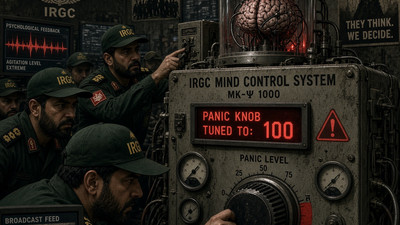
Iran Issues Code 100 as Trump and Netanyahu Rush Home
Turn Up The Volume!
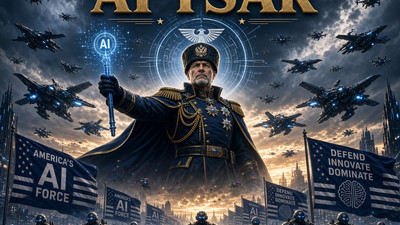
Trump Forms AI Force and Czar; Will Not Stifle Industry
May The Force Be With You! Superior Intelligence Is The New AI!
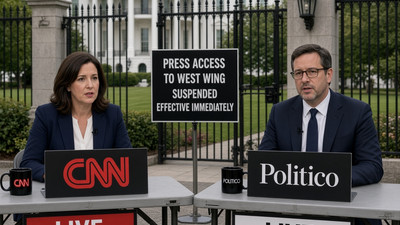
No First Amendment Right To A Seat In West Wing
Mockingbird Press Pissed At Being Locked Out As They Are The "Deep-State-Run-Media" - The Propaganda Arm Of The Intelligence Community Driving Mind Control - Fucking Commies! God To Hell You Sickos!