The twice-yearly ritual of daylight saving time is less a harmless convenience than a deliberate jolt to the human clock. Springing forward robs an hour of sleep and shifts morning light later, while falling back—as the clocks did at 2 a.m. today—throws the body into the opposite mismatch of earlier sunsets and disrupted melatonin. Studies link the transitions to measurable rises in heart attacks, traffic accidents, missed appointments, and mood disturbances; the spring change is especially costly, with fatal crashes rising roughly six percent in the immediate aftermath and emergency visits climbing as circadian misalignment taxes cardiovascular and cognitive systems. Even the autumn gain of an hour seldom yields a full night’s recovery; many people simply continue to lose sleep for the rest of the week as their internal rhythms lag the new civil time.
The deeper cost is the chronic “social jet lag” that daylight saving time imposes for months on end. Evening light exposure delays the onset of sleep, morning darkness leaves workers and schoolchildren starting their days in darkness, and the average adult loses roughly nineteen minutes of sleep per night while the clocks are advanced. Those who must rise before seven in the morning lose still more. The American Academy of Sleep Medicine has long argued that permanent standard time, not permanent daylight saving time, better matches human biology; the seasonal switches themselves are an unnecessary insult layered atop already insufficient sleep. For people whose schedules are fixed by work or school, the body never fully adapts; the result is sustained fatigue, slower reaction times, and elevated risk that falls hardest on those least able to rearrange their days.
The practical remedy is disciplined preparation rather than passive endurance. Shift bedtime and wake time by fifteen to twenty minutes each night in the days before the change—earlier for the spring advance, later for the autumn retreat—so the one-hour jump is absorbed gradually. Once the clocks move, prioritize bright morning light and outdoor movement while limiting evening screens, caffeine after early afternoon, and alcohol near bedtime; consistency of wake time, even on weekends, anchors the circadian system more effectively than any single night of extra sleep. For those already short of the seven hours adults require, the autumn “gain” is best treated as an opportunity to catch up rather than as license to stay up later. In the longer run, the cleanest solution is to end the experiment: align civil time with solar time and let the body keep the rhythm it was made for.
Additional ADNN Articles:
DST Is An FDR New Deal Psyop Designed To Oppress We The People
Scientists Clear Alzheimer’s Plaques From Brain in Minutes Without Drugs
Newsflash: The Sun Is Good For You
Daily Ashwagandha Cuts Cortisol 28 Percent in Sixty Days

Daylight Saving Time Harms Health; Align Clocks With Human Biology
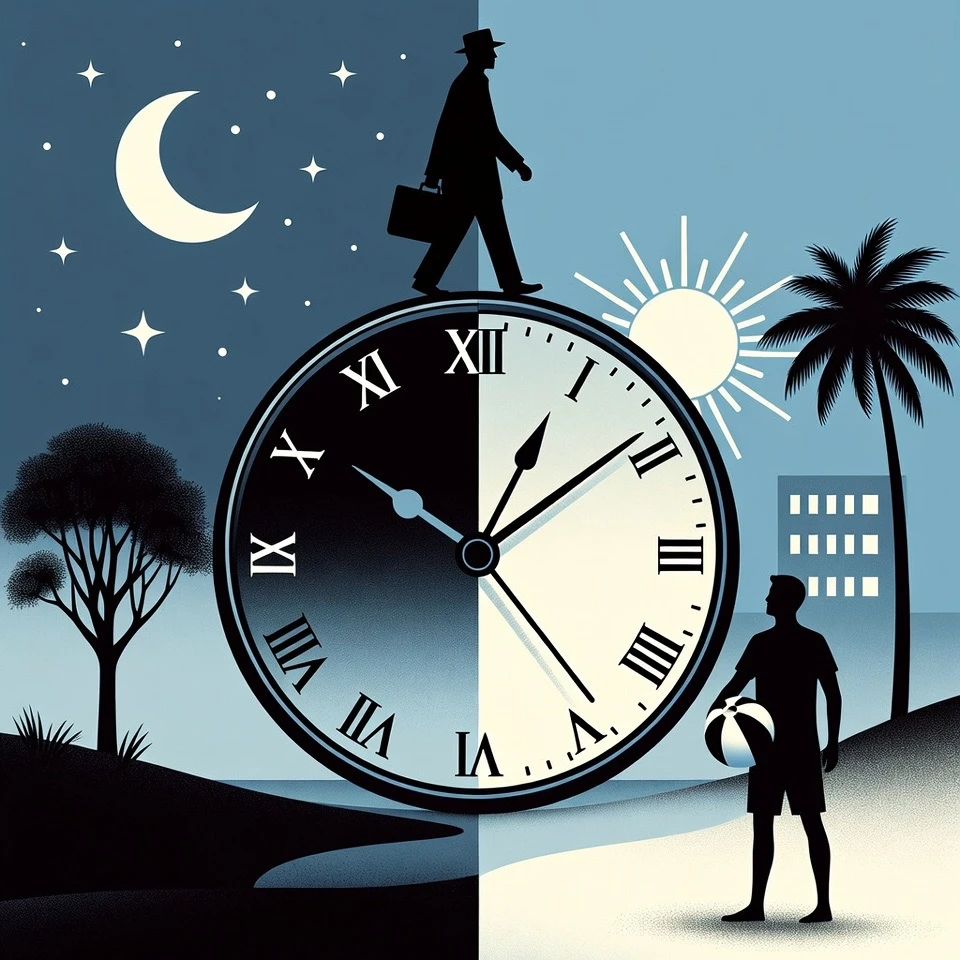
Daylight Saving Time Harms Health Align Clocks With Human Biology by Grok is licensed under Grok xAI
|
Daylight Saving Time Harms Health; Align Clocks With Human Biology

Trump’s DOJ Files Lawsuits to Secure Midterm Ballot Integrity
Law And Order...In The Back Room Too!

Media Prepares Excuses to Bury Election Irregularities Before Ballots Count
Enemy Of The People Are In On It...And Many Don't Even Know It!

Halloween Shrinks as Trust Collapses Under Theft and Disorder
Tricked Not Treated.


General Admits Iran Ukraine Leaks as Democrats Seek Hegseth Impeachment
Public HangIng? How To Deal With Sedition Or Treason Today?

DOE Approves First Ever Commercial Nuclear Microreactor Full Power Operations
"No Nukes"...Whoops...Let's Power Up!

Trust the Theosophy, Burn the Witch: Monkeypox War Never Ends
Happy Halloween Whores & Homos! God Is The Answer, What Is The Question?

American Output Accelerates to 3.4 Percent as Price Pressures Recede
Golden Age Incoming!