On March 13, 2026, air traffic operations at major airports in the Washington, D.C., area—including Ronald Reagan Washington National Airport, Washington Dulles International Airport, Baltimore-Washington International Airport, and Richmond International Airport—were temporarily halted for over an hour due to a strong chemical smell reported at the Potomac Terminal Radar Approach Control (TRACON) facility in Warrenton, Virginia. The FAA identified the source as an overheated circuit board, which was quickly replaced after emergency responders and a HAZMAT team assessed the situation. More than 30 FAA employees were evaluated for potential exposure, but no injuries were reported, and operations resumed by around 7 p.m. EDT. This incident caused significant delays for passengers, with some airports experiencing backups extending up to 90 minutes or more on departures.
Concurrently, the U.S. Department of Homeland Security (DHS) has been in a partial shutdown since mid-February 2026, stemming from ongoing congressional disputes over funding. Republicans have accused Democrats of instigating the shutdown by blocking bipartisan funding bills, claiming it prioritizes political demands over national security and leaves over 100,000 DHS workers, including TSA officers, without pay. Democrats, however, argue that they are holding out for reforms to immigration enforcement policies, particularly regarding agencies like ICE and CBP, and have proposed measures to pay non-immigration DHS staff during negotiations, which Republicans have rejected. This has led to staffing shortages at TSA checkpoints, resulting in longer security lines at airports nationwide, especially as spring break travel ramps up.
The timing of the Potomac TRACON incident has amplified existing travel disruptions, as the DHS shutdown’s impact on TSA operations coincides with the FAA-related ground stop, potentially compounding passenger frustrations and delays in the D.C. region. While the TRACON facility falls under the Department of Transportation and was not directly affected by the DHS funding lapse, the broader strain on airport resources—such as reduced TSA staffing—highlights vulnerabilities in critical infrastructure during periods of political gridlock. Both events underscore the need for stable funding and coordination across federal agencies to ensure smooth air travel and public safety.
Additional ADNN Articles:

DC Airports Paralyzed by Chemical Scare During Democrats' DHS Shutdown
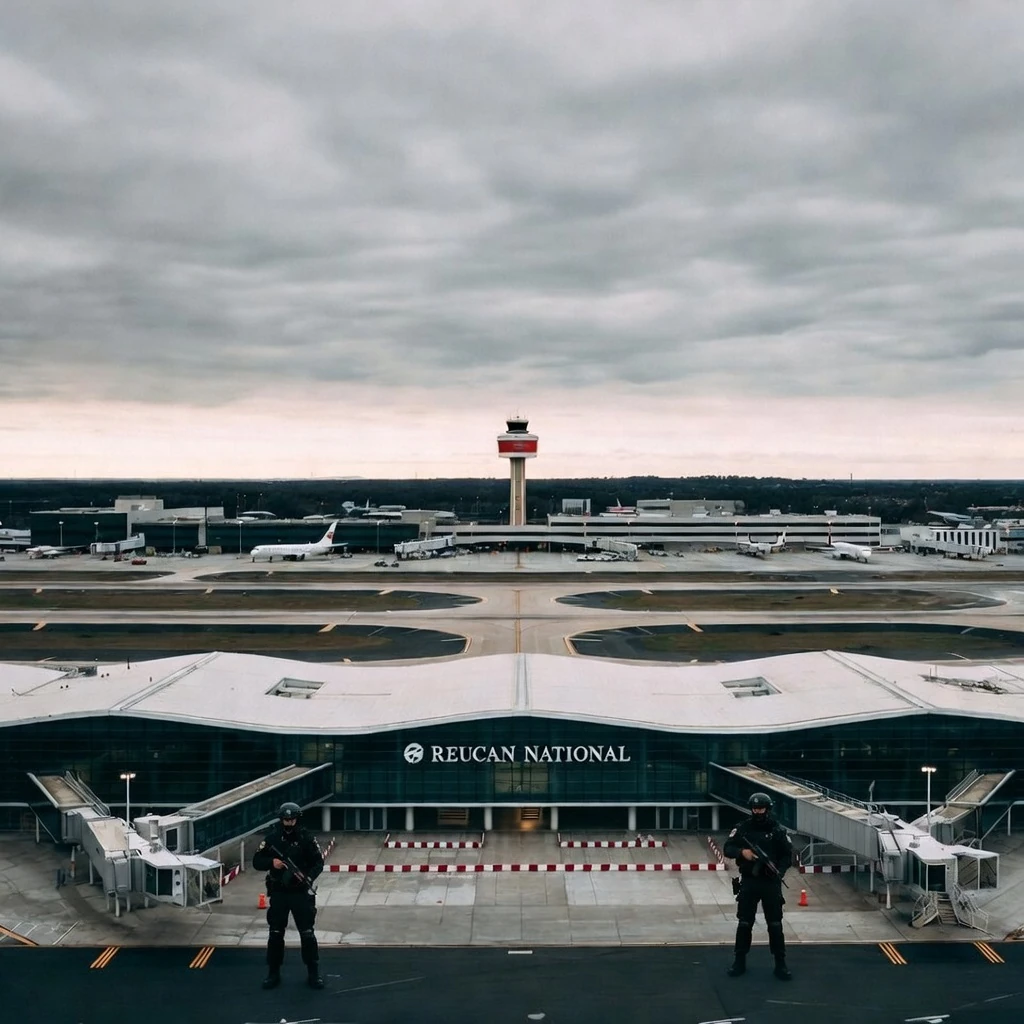
Dc Airports Paralyzed By Chemical Scare During Democrats Dhs Shutdown by Grok is licensed under Grok xAI
DC Airports Paralyzed by Chemical Scare During Democrats' DHS Shutdown

War Department Thingamabob Rainbows Tehran Sky, Unsettling Guards and Globalists
A Heap Of Homo Hooligan Hell Hole Rainbow Lights Shock The Sand People. Was It US? Or Enoch? Or Some Other Alien?

Bessent Pins Hugging Face Incident on OpenAI Managers, Not Agents
Bots Aren't Gay...

Austin Protesters Learn Texas Differs From Minnesota After ICE Clash
Don't Mess With Texas!

Fonzie Jumped the Shark; Fifty Years of Failure Endure
Fake And (Almost Certainly) Gay - Jewish Greaser, Mind Control And The Pop-Culture Term That Lives On...

Ukraine’s Swarm Hits Moscow Refinery as Russia Warns Retaliation
World War Three, Anyone?
Iran Issues Code 100 as Trump and Netanyahu Rush Home
Turn Up The Volume!

Trump Forms AI Force and Czar; Will Not Stifle Industry
May The Force Be With You! Superior Intelligence Is The New AI!
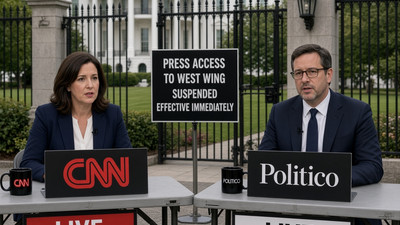
No First Amendment Right To A Seat In West Wing
Mockingbird Press Pissed At Being Locked Out As They Are The "Deep-State-Run-Media" - The Propaganda Arm Of The Intelligence Community Driving Mind Control - Fucking Commies! God To Hell You Sickos!