In a bombshell oversight release today, April 27, 2026, Senate Judiciary Committee Chairman Chuck Grassley unveiled new FBI records highlighting the Clinton Foundation’s alleged financial dealings and pay-to-play schemes. The documents, including a key 12-page “electronic communication” (EC) from the FBI’s Washington Field Office that opened a preliminary investigation, provide fresh details on long-suspected international entanglements. These records draw from internal memos, timelines, and field office assessments, underscoring systemic hesitation at senior levels to aggressively pursue credible leads against the Clintons.
The materials lay out the core controversies in stark terms: the Uranium One transaction and Russian connections, where multimillion-dollar Foundation donations aligned with State Department approvals for Rosatom’s control of U.S. uranium assets; broader Russia-related foreign influence concerns; Boeing’s reported interactions and potential favors; Haiti earthquake relief efforts plagued by questions of diverted aid and cronyism; and the business ventures of Hillary Clinton’s brother Tony Rodham, with apparent overlaps involving the Foundation. Additional references include suspicious activity reports, proposed investigative steps, and potential violations spanning bribery, foreign influence, and more—issues that field agents appeared ready to advance but faced repeated roadblocks.
Despite these documented leads, senior FBI and DOJ officials under the prior administration declined to escalate to a full investigation, with directives that limited subpoenas, interviews, and record-sharing to avoid any appearance of targeting the Clintons—particularly around the 2016 election cycle. This stands in sharp contrast to the rapid full investigations launched into Trump-related matters on comparatively thin predication. Grassley’s release spotlights this egregious double standard in FBI and DOJ practices, suggesting political protection over impartial enforcement and reinforcing calls for greater accountability to rebuild public confidence in federal law enforcement.
Additional ADNN Articles:

Grassley Drops Bombshell Clinton Foundation FBI Records Exposing DOJ Double Standard
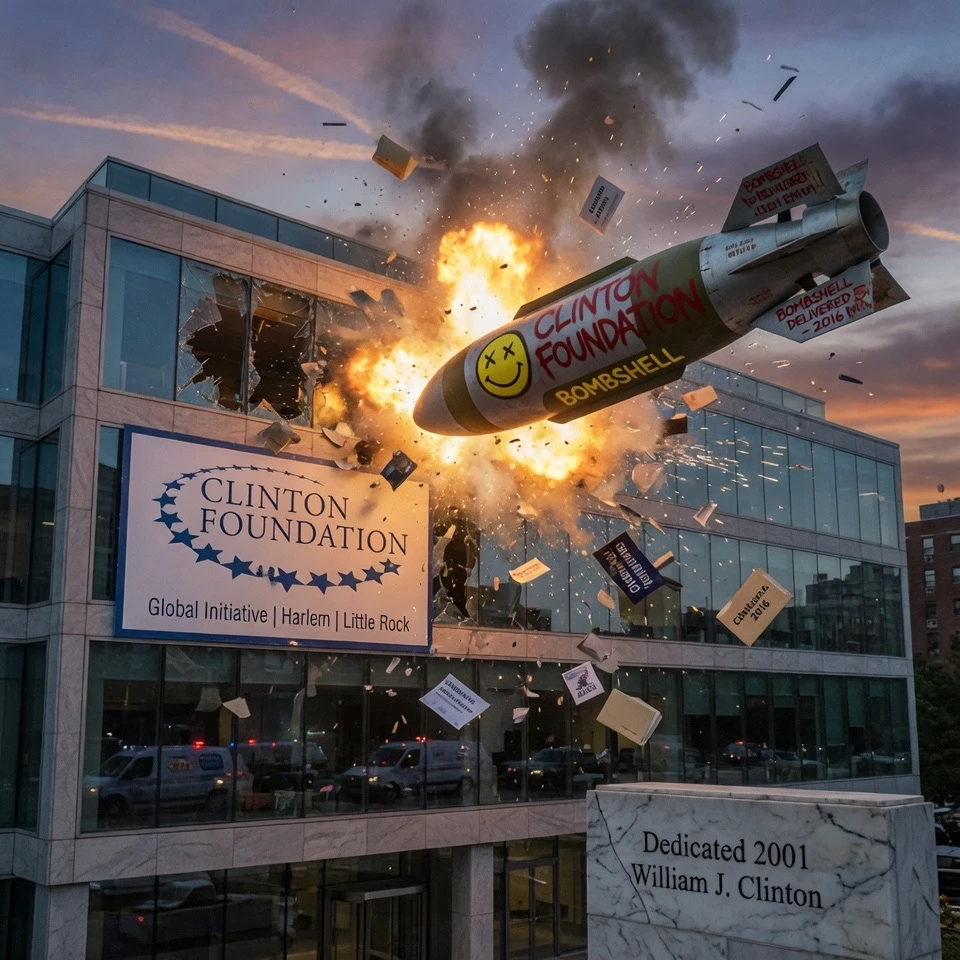
Grassley Drops Bombshell Clinton Foundation Fbi Records Exposing Doj Double Standard by Grok is licensed under Grok xAI
Grassley Drops Bombshell Clinton Foundation FBI Records Exposing DOJ Double Standard

War Department Thingamabob Rainbows Tehran Sky, Unsettling Guards and Globalists
A Heap Of Homo Hooligan Hell Hole Rainbow Lights Shock The Sand People. Was It US? Or Enoch? Or Some Other Alien?

Bessent Pins Hugging Face Incident on OpenAI Managers, Not Agents
Bots Aren't Gay...

Austin Protesters Learn Texas Differs From Minnesota After ICE Clash
Don't Mess With Texas!

Fonzie Jumped the Shark; Fifty Years of Failure Endure
Fake And (Almost Certainly) Gay - Jewish Greaser, Mind Control And The Pop-Culture Term That Lives On...

Ukraine’s Swarm Hits Moscow Refinery as Russia Warns Retaliation
World War Three, Anyone?
Iran Issues Code 100 as Trump and Netanyahu Rush Home
Turn Up The Volume!

Trump Forms AI Force and Czar; Will Not Stifle Industry
May The Force Be With You! Superior Intelligence Is The New AI!
No First Amendment Right To A Seat In West Wing
Mockingbird Press Pissed At Being Locked Out As They Are The "Deep-State-Run-Media" - The Propaganda Arm Of The Intelligence Community Driving Mind Control - Fucking Commies! God To Hell You Sickos!