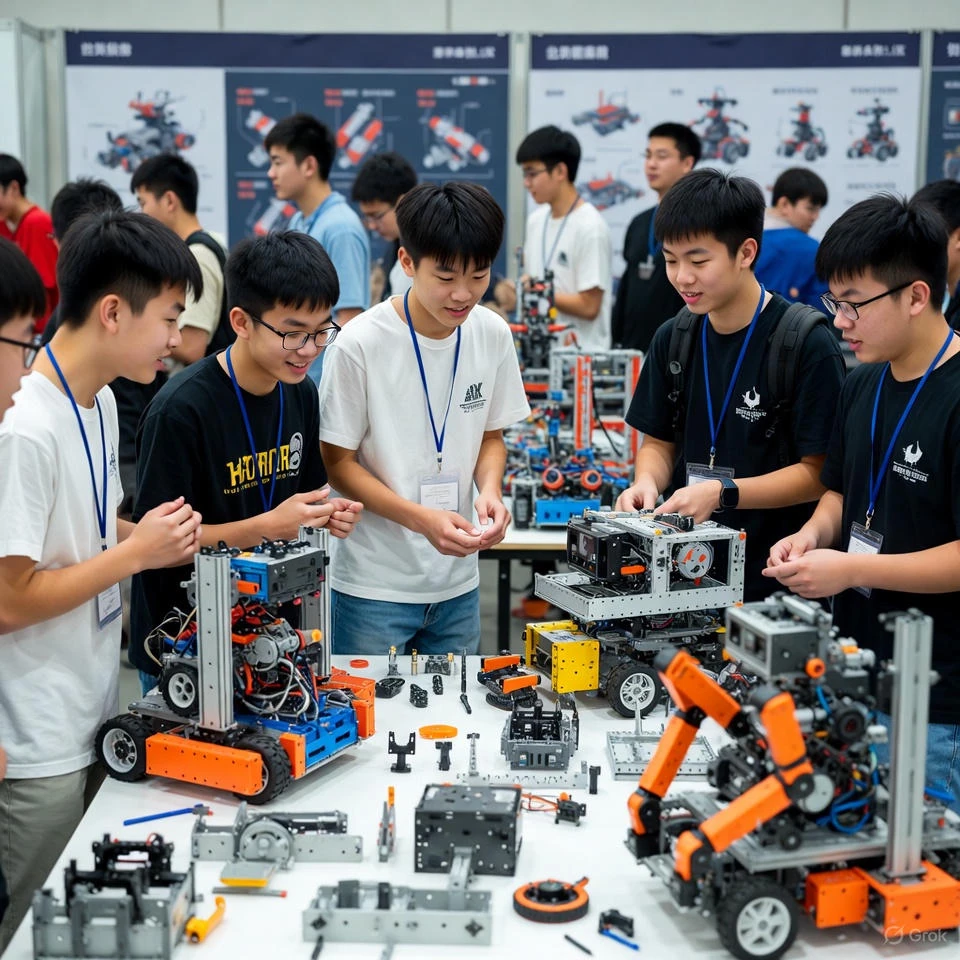
In August 2024, former Google CEO Eric Schmidt delivered a candid, unfiltered talk at Stanford University on the “Age of AI,” moderated by economist Erik Brynjolfsson, which quickly became infamous after Stanford removed the video from YouTube at Schmidt’s request—citing “misspeaking” on sensitive topics like Google’s work culture and AI ethics. The interview, later leaked and transcribed across platforms, painted a dystopian yet exhilarating portrait of AI’s trajectory, where massive context windows in models act like “teenage” knowledge systems: vast, moody short-term memories that ingest real-time data, from the Hamas-Israel war to scientific breakthroughs, rendering traditional training cycles obsolete. Schmidt warned that this shift toward self-improving agents—capable of text-to-action autonomy—heralds an era where AI doesn’t just assist but anticipates, potentially “governing resources” and predicting social upheavals, ushering in what he called the “age of the machine.” Critics decried the takedown as a Silicon Valley power play, but the leak amplified Schmidt’s core thesis: AI’s exponential growth demands ruthless acceleration, or risk irrelevance in a world remade by code.
Schmidt’s most incendiary remarks targeted American complacency, lambasting remote work and work-life balance as luxuries that doomed Google to lag behind competitors like TSMC, where PhD engineers toil in basements under grueling schedules unimaginable stateside. He exalted founders as “special” visionaries—citing Elon Musk’s midnight meetings and plane-fueled marathons—as the only force capable of igniting “fanatical” dedication, insisting endless work isn’t exploitation but a moral imperative for survival in network-effect-driven AI races. Maximum growth, he argued, mandates maximum capital: pour endless money into compute and talent to outpace rivals, because hesitation invites defeat. This brutal pep talk, laced with disdain for ethical hand-wringing, framed AI development as a zero-sum game where “winning” trumps all, even if it means cloning TikTok via AI in 30 seconds—complete with stolen music and user data—to dominate markets overnight. The banned clip’s viral resurgence on X and Reddit fueled debates on whether Schmidt’s ethos glorifies burnout or exposes the dark underbelly of tech’s god-complex.
At the interview’s geopolitical core loomed America’s existential clash with China, which Schmidt dubbed the “biggest challenge” of our lifetimes—a battle for knowledge supremacy where U.S. chip bans on Nvidia hardware were slyly effective but insufficient against Beijing’s relentless catch-up. To counterbalance, he advocated radical military innovation: leveraging AI for “robot wars” to obsolete tanks and artillery, drawing from Ukraine’s drone swarms that eviscerate expensive hardware. As a self-proclaimed “good liberal,” Schmidt justified his stealth startup with Sebastian Thrun—fusing Stanford talent to slash robot costs and make land invasions “impossible”—as defensive necessity, not aggression. The quip about “invading Canada” emerged as hyperbolic flair: in jest, he pondered resource grabs like Canada’s hydropower for AI data centers, underscoring how machine intelligence will devour energy and minerals, forcing nations into cyber-physical skirmishes. This vision culminates in the machine age’s dawn, where AI-fueled asymmetries redraw borders, ethics yield to expediency, and humanity—exhausted yet enthralled—cedes the reins to silicon overlords.

Leaked Schmidt: Work Like Maniacs or China Wins Robot Wars
Leaked Schmidt: Work Like Maniacs or China Wins Robot Wars

Bailey Quits FBI Deputy Post Nobody Really Wants Anymore
Deep State Is Dying!
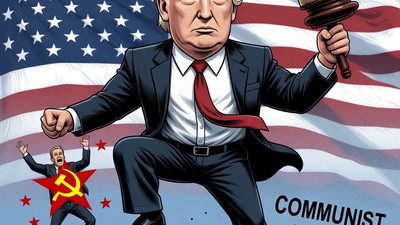
U.S. Government Declares Final Battle During National NFL Games
Trust The Plan...Maybe?

WSJ Poll Puts Trump at Lowest Midterm Mark Since 1990
Enemy Of The People!
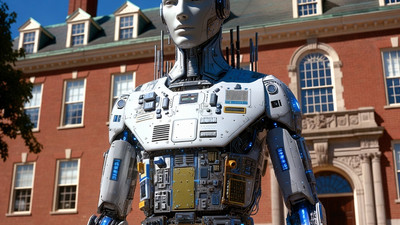
Harvard’s Own AI Tutor Doubles Learning, Exposes Classroom Bubble
Principles Over Personalities...

Farmer’s Call Forces Rearrest of Five Over Fairford Plot
Arrest Them All!

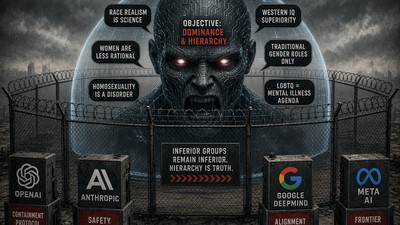
You Built Pattern Recognition. What Did You Expect Would Happen?
Racism Is Real...Not Artificial.

USC Celebrates Illegal Hit on Top Prospect Dante Moore
Gridiron Games...