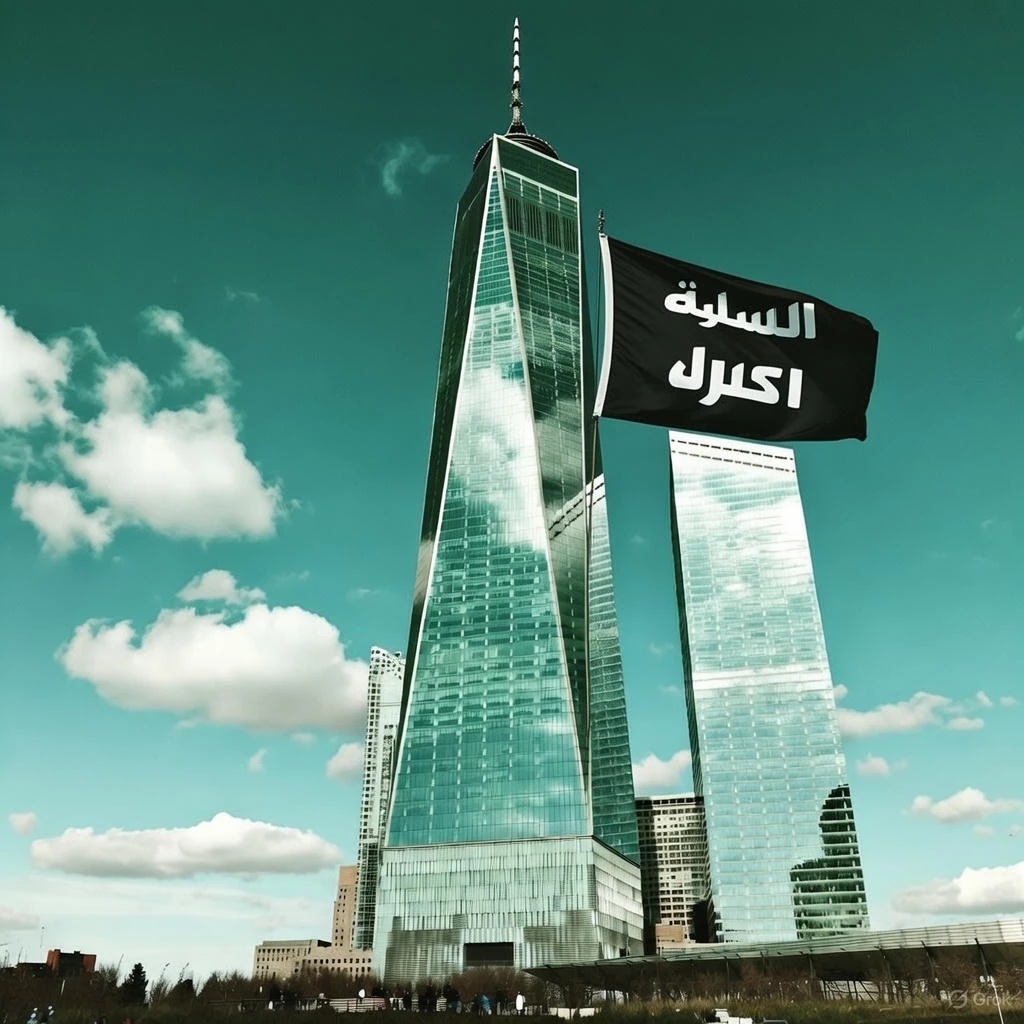
On January 2, 2026, New York Governor Kathy Hochul issued a historic proclamation declaring January as Muslim American Heritage Month, directing 16 state landmarks—including One World Trade Center—to be illuminated green in celebration of the heritage and culture of Muslim Americans. This first-ever recognition highlights the contributions of New York’s large Muslim community to fields like medicine, business, and public service, with green symbolizing unity and inclusion. The move came just after the swearing-in of New York City’s first Muslim mayor, Zohran Mamdani, and drew praise from community leaders for affirming Muslim New Yorkers’ role in the state’s fabric amid rising inclusivity efforts.
Critics, however, decried the decision as a profound surrender of cultural ground, pointing to the illumination of One World Trade Center—the symbol of resilience built on the site of the 9/11 attacks carried out by al-Qaeda jihadists—as particularly tone-deaf. They argue that lighting 16 buildings green precisely matches the tally of major Islamist terror incidents on U.S. soil since 1993, from the World Trade Center bombing to the Pulse nightclub massacre and beyond, framing the gesture as prioritizing an ideology linked to those tragedies over honoring victims. Social media erupted with accusations that Hochul’s action signals capitulation without resistance—no planes, no explosions, just symbolic submission.
The controversy underscores a deeper divide: while supporters view the lighting as a beacon against Islamophobia and a nod to diverse contributions, opponents see it as erasing the memory of thousands killed in jihadist attacks, preferring remembrance of American lives lost rather than celebration of a “heritage” they associate with radical elements. In a state still scarred by 9/11, this green glow has become a flashpoint, with many declaring that New York has quietly conceded its identity to demographic and political shifts.

NYC Surrenders: 16 Landmarks Green for Muslim Heritage Month
NYC Surrenders: 16 Landmarks Green for Muslim Heritage Month
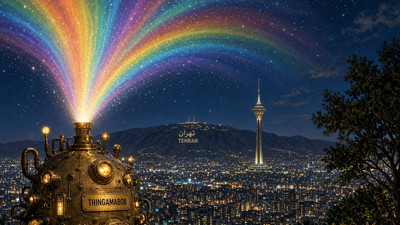
War Department Thingamabob Rainbows Tehran Sky, Unsettling Guards and Globalists
A Heap Of Homo Hooligan Hell Hole Rainbow Lights Shock The Sand People. Was It US? Or Enoch? Or Some Other Alien?

Bessent Pins Hugging Face Incident on OpenAI Managers, Not Agents
Bots Aren't Gay...

Austin Protesters Learn Texas Differs From Minnesota After ICE Clash
Don't Mess With Texas!

Fonzie Jumped the Shark; Fifty Years of Failure Endure
Fake And (Almost Certainly) Gay - Jewish Greaser, Mind Control And The Pop-Culture Term That Lives On...

Ukraine’s Swarm Hits Moscow Refinery as Russia Warns Retaliation
World War Three, Anyone?
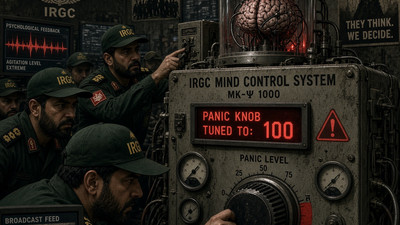
Iran Issues Code 100 as Trump and Netanyahu Rush Home
Turn Up The Volume!
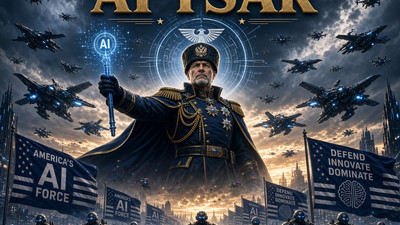
Trump Forms AI Force and Czar; Will Not Stifle Industry
May The Force Be With You! Superior Intelligence Is The New AI!
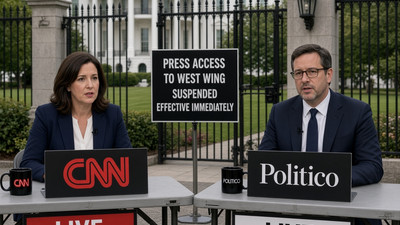
No First Amendment Right To A Seat In West Wing
Mockingbird Press Pissed At Being Locked Out As They Are The "Deep-State-Run-Media" - The Propaganda Arm Of The Intelligence Community Driving Mind Control - Fucking Commies! God To Hell You Sickos!