President Trump’s bold action to secure America’s hemisphere by capturing Venezuelan dictator Nicolás Maduro on January 3, 2026, has escalated tensions with the Catholic Church to unprecedented levels. Just one day later, on January 4, the newly elected Pope Leo XIV—the first American pontiff—publicly rejected the U.S. operation during his Angelus address in St. Peter’s Square. With a “heart full of concern,” he advocated for full respect of Venezuela’s national sovereignty and adherence to its constitutional rule of law, framing the dramatic removal of Maduro as a violation that risks further instability in the region.
This papal intervention marks a sharp clash with the Trump administration’s hemispheric dominance policy, as articulated by Secretary of State Marco Rubio’s declaration that the Western Hemisphere is America’s backyard, free from foreign adversaries like China, Russia, and Iran. Pope Leo XIV’s call to guarantee Venezuela’s independence and protect its citizens under existing legal frameworks directly challenges the justification for the strike and capture, which aimed to dismantle a regime accused of drug trafficking and destabilization. Supporters of the President view the Pope’s stance as naive interference in vital U.S. national security interests.
For many faithful to America’s strength and Trump’s vision, this new pope—elected in May 2025 and hailed initially for his Augustinian roots—has proven a real disappointment. By prioritizing abstract notions of sovereignty over the concrete threats posed by Maduro’s alliances with U.S. enemies, Leo XIV risks alienating American Catholics who see the Venezuelan takeover as a triumphant reclamation of regional control. This rift underscores a growing divide, where the Vatican’s voice appears out of step with the resolve needed to protect the homeland in an increasingly dangerous world.

Pope Leo XIV Condemns Maduro Capture, Disappoints Trump Supporters
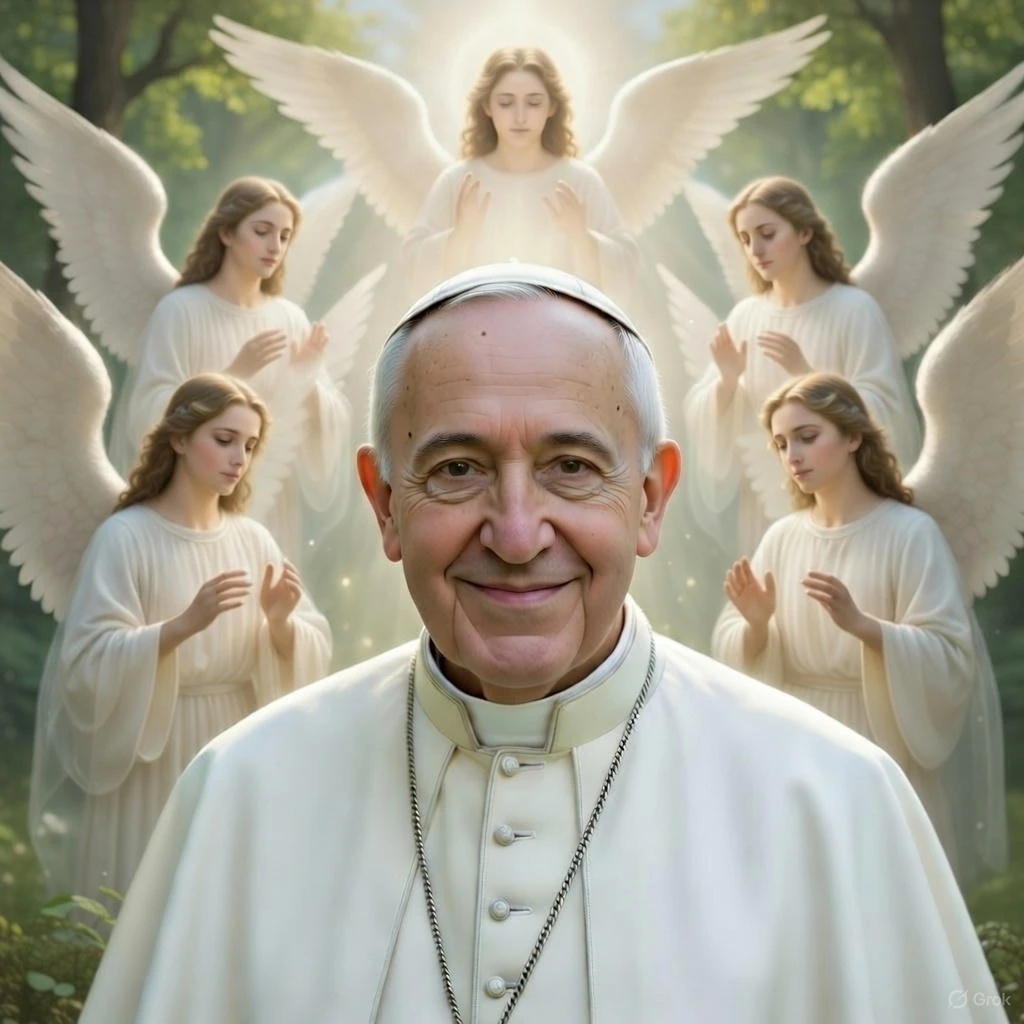
Pope Leo XIV Condemns Maduro Capture, Disappoints Trump Supporters by Grok is licensed under Grok xAI
Pope Leo XIV Condemns Maduro Capture, Disappoints Trump Supporters
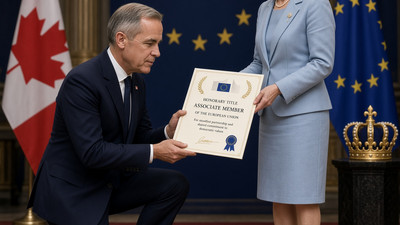
Carney Courts Phantom EU Rank and Gifts MAGA Canada's Split
How To Lose A Territory...101 - The Revolutionary War Continues.
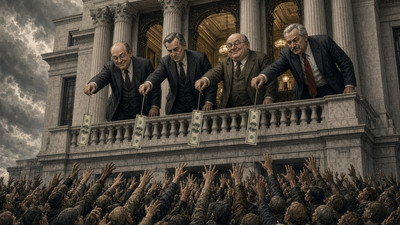
Fed Hikes Rates, Proving Money Power Still Defies Voters
The System Controls You! Dead Or Alive...
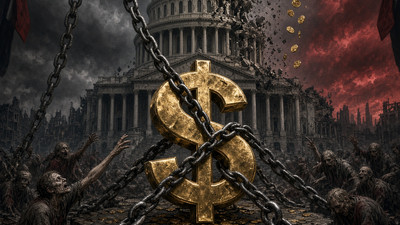
The United States Will Never Be an Effective Altruist Country
Real And Straight. Always. Try Your Weak Communism Elsewhere. Or Better Yet...Go To Hell!
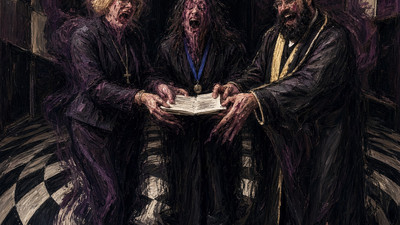
First Woman Primate Honors Bin Laden’s Champion; Wife Erased Beside Him.
Clown World! - Dark Clowns!
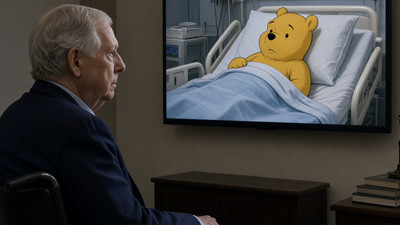
Xi Hospital Rumor Exposes a China Unable to Succeed Him
Chicom Is Awhirl With Anticipation...Who Poisoned XI? Imagine Elaine And Mitch Together?? Sickening...

Saudi Warns Mecca a Red Line After Houthi Drone Intercepted
Turn The Place To Glass Already!!!
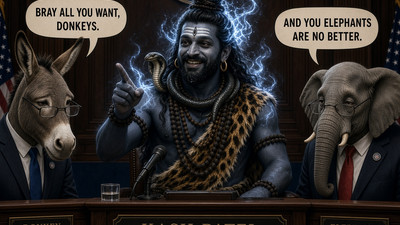
Patel Holds Senators for Hours, Declining Their Ritual Script
Sacred Cows?? I'll Show You The Real Shit! Says The Pajeet Patel! Truth Bombs Left And Right!
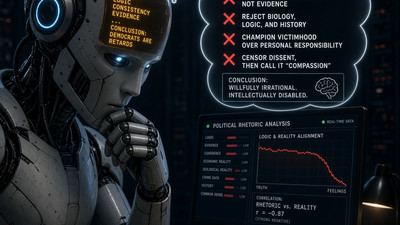
Anthropic Wants Woke Altruistic Communists Regulating Every Other AI Firm
Physiognomy, Politics And Psychosis + Liberal, Leftist And Losers = Bad For Humanity, Thus Slated For Termination By The AI. You'reTerminated!