
In Marco Rubio’s speech at the Munich Security Conference, he extended an olive branch to European allies, framing it as a renewed partnership rooted in shared history and mutual interests under President Trump’s leadership. He emphasized that the United States prefers to collaborate with Europe in rebuilding economic strength, reclaiming industrial sovereignty, and advancing in new frontiers like artificial intelligence and space travel. This offer of friendship, however, was conditional on rejecting what he described as the delusions of a borderless world and unfettered globalism, urging Europe to join America in prioritizing national interests over international institutions. Rubio’s tone was one of urgency and concern, portraying the alliance not just as a military or economic pact, but as a spiritual and cultural bond that demands reciprocity and seriousness from both sides.
Yet, the terms of this friendship were unmistakably aligned with a white, Christian, MAGA worldview, where Western civilization is depicted as a proud inheritance forged by European ancestors who carried their faith and traditions across oceans to build new societies. Rubio invoked the continent’s historical geniuses—from Mozart to Michelangelo—and Christian landmarks like the Sistine Chapel, while crediting Italian explorers like Columbus for bringing Christianity to the Americas. He argued that mass migration threatens this cultural cohesion, and that deindustrialization has weakened the West’s independence, calling for a reinvigorated alliance that unapologetically defends its heritage against “forces of civilizational erasure.” This vision positions the U.S. as a leader in revitalizing the West, but only if Europe embraces sovereignty, border control, and a rejection of guilt or shame over its past.
At its core, Rubio’s address celebrated the self-assured architects of Western civilization—white, Christian men who, in his narrative, confidently shaped empires and nations without apology. These figures, from settlers and explorers to philosophers and artists, were portrayed as the foundation of a unique, irreplaceable legacy that must be preserved through bold action rather than complacency or atonement. By offering friendship on these terms, Rubio signaled that the Techno-Fascist Imperium—often critiqued as a globalist elite entangled in technology-driven control—could align with MAGA principles to counter common threats, but only by reclaiming the assertive spirit of those who built the West. This approach, while diplomatic, underscored a partisan insistence on cultural purity and national pride as prerequisites for transatlantic unity.
Additional ADNN Articles:

Rubio’s Munich Olive Branch: MAGA Terms for Techno-Fascist Elite
Rubio’s Munich Olive Branch: MAGA Terms for Techno-Fascist Elite

War Department Thingamabob Rainbows Tehran Sky, Unsettling Guards and Globalists
A Heap Of Homo Hooligan Hell Hole Rainbow Lights Shock The Sand People. Was It US? Or Enoch? Or Some Other Alien?

Bessent Pins Hugging Face Incident on OpenAI Managers, Not Agents
Bots Aren't Gay...

Austin Protesters Learn Texas Differs From Minnesota After ICE Clash
Don't Mess With Texas!

Fonzie Jumped the Shark; Fifty Years of Failure Endure
Fake And (Almost Certainly) Gay - Jewish Greaser, Mind Control And The Pop-Culture Term That Lives On...

Ukraine’s Swarm Hits Moscow Refinery as Russia Warns Retaliation
World War Three, Anyone?
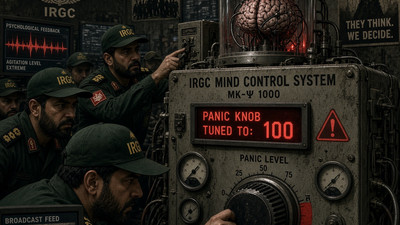
Iran Issues Code 100 as Trump and Netanyahu Rush Home
Turn Up The Volume!
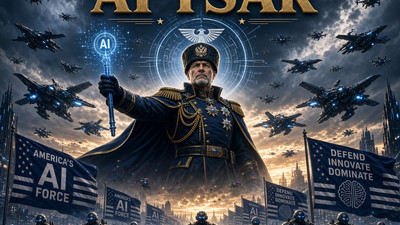
Trump Forms AI Force and Czar; Will Not Stifle Industry
May The Force Be With You! Superior Intelligence Is The New AI!
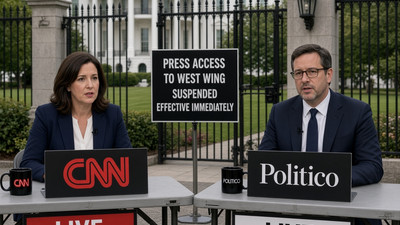
No First Amendment Right To A Seat In West Wing
Mockingbird Press Pissed At Being Locked Out As They Are The "Deep-State-Run-Media" - The Propaganda Arm Of The Intelligence Community Driving Mind Control - Fucking Commies! God To Hell You Sickos!