
In a bold escalation of its war on drugs, the Trump administration has initiated detailed planning for a high-stakes mission deploying U.S. troops and intelligence officers into Mexico to dismantle powerful drug cartels, according to multiple U.S. officials cited by NBC News. This operation, still in early training phases and not yet authorized for deployment, would mark a significant departure from prior U.S. policies, which limited involvement to supportive roles for Mexican forces. Drawing on the February designation of six Mexican cartels as foreign terrorist organizations, the plan envisions Joint Special Operations Command units and CIA personnel conducting drone strikes on drug labs and targeting cartel leaders under Title 50 intelligence authorities. While the administration prefers coordination with Mexico’s government under President Claudia Sheinbaum, officials have not excluded unilateral action, building on recent successes like strikes against suspected smuggling vessels near Venezuela.
This move ties into President Trump’s broader vision for securing the “Gulf of America”—a rebranded Gulf of Mexico formalized by executive order earlier this year amid controversy and international pushback from Mexico, which has mockingly proposed renaming the U.S. “Mexican America.” In Trump’s narrative, Mexico represents the critical southern link in a conceptual “Golden Circle” encircling the Gulf, a strategic perimeter envisioned to fortify U.S. borders against narcotics trafficking, illegal migration, and foreign threats. Full operational control over this circle, including intensified anti-cartel efforts, is framed as essential to completing a “new Manifest Destiny” for American security, echoing Trump’s campaign rhetoric of a “golden age” where economic and military dominance ensures hemispheric stability. Cartels, estimated to field up to 185,000 fighters across 198 groups like the Sinaloa syndicate, are cast as existential foes fueling the overdose epidemic claiming tens of thousands of American lives annually.
The proposal has sparked fierce debate, with supporters hailing it as a decisive blow against “unlawful combatants” undermining U.S. sovereignty, while critics warn of diplomatic fallout, potential retaliation, and echoes of past interventions that strained bilateral ties. Bipartisan voices in Congress have mixed reactions to Trump’s prior naval campaigns, but a ground incursion could test alliances and ignite regional tensions, especially given Mexico’s firm stance on sovereignty. As planning advances in secrecy, the mission underscores Trump’s unyielding approach to border security, positioning the conquest of cartel strongholds as the capstone to encircling the Gulf of America—though skeptics question whether such ambitions risk overreach in an already volatile neighborhood.

Trump Administration Plans U.S. Troops, CIA Ops in Mexico to Crush Drug Cartels—Key to Securing ‘Golden Circle’ Around Gulf of America
Trump Administration Plans U.S. Troops, CIA Ops in Mexico to Crush Drug Cartels—Key to Securing ‘Golden Circle’ Around Gulf of America
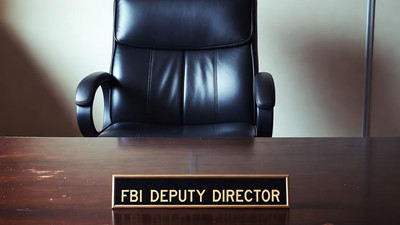
Bailey Quits FBI Deputy Post Nobody Really Wants Anymore
Deep State Is Dying!
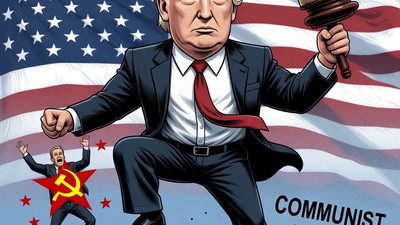
U.S. Government Declares Final Battle During National NFL Games
Trust The Plan...Maybe?

WSJ Poll Puts Trump at Lowest Midterm Mark Since 1990
Enemy Of The People!

Harvard’s Own AI Tutor Doubles Learning, Exposes Classroom Bubble
Principles Over Personalities...

Farmer’s Call Forces Rearrest of Five Over Fairford Plot
Arrest Them All!


You Built Pattern Recognition. What Did You Expect Would Happen?
Racism Is Real...Not Artificial.

USC Celebrates Illegal Hit on Top Prospect Dante Moore
Gridiron Games...