The U.S. Army’s 11th Airborne Division, known as the Arctic Angels and specialized in frigid weather warfare, has been placed on standby for potential deployment to Minneapolis amid escalating anti-ICE protests. Based at Joint Base Elmendorf-Richardson in Alaska, approximately 1,500 soldiers from this elite unit were recalled to base over the holiday weekend to serve as a quick reaction force if ordered by President Trump. The division’s expertise in Arctic operations aligns with Minnesota’s harsh winter conditions, but no final decision on deployment has been made as tensions rise following the fatal shooting of 37-year-old Renee Good by an ICE officer. This preparation underscores the federal government’s readiness to intervene in what has become a flashpoint for immigration enforcement clashes.
Minneapolis has seen reports of widespread vandalism targeting vehicles suspected of belonging to federal agents, contributing to claims that the city is no longer safe for business travelers. Commander Gregory Bovino, a Border Patrol leader involved in on-the-ground operations, has highlighted incidents where anti-ICE protesters have slashed tires and spray-painted threats on cars in hotel parking lots, such as in Eagan, to immobilize potential ICE vehicles. Over a dozen federal-associated vehicles were damaged, with graffiti including messages like “only good agent is a dead one,” leaving owners trapped and escalating fears among visitors. Immigrant-owned businesses along key corridors like Lake Street have shuttered or seen revenue plummet by 50-100% due to the unrest and fear of raids, further disrupting normal commerce.
The narrative that “Minneapolis has fallen” stems from conservative voices like Tudor Dixon, portraying the city as overrun by mobs amid the ICE surge, which has deployed nearly 3,000 agents for Operation Metro Surge. While protests have involved looting federal vehicles and hurling fireworks at officers, a federal judge has restricted ICE tactics against peaceful demonstrators, and local officials blame the federal presence for the chaos. Minnesota’s National Guard is mobilized, and lawsuits from state and city leaders seek to halt the operations, highlighting a deep divide where economic impacts on small businesses clash with enforcement goals, potentially justifying military involvement if disorder persists.
Additional ADNN Articles:

Arctic Angels Deploy to Fallen Minneapolis Amid Anti-ICE Vandalism Chaos
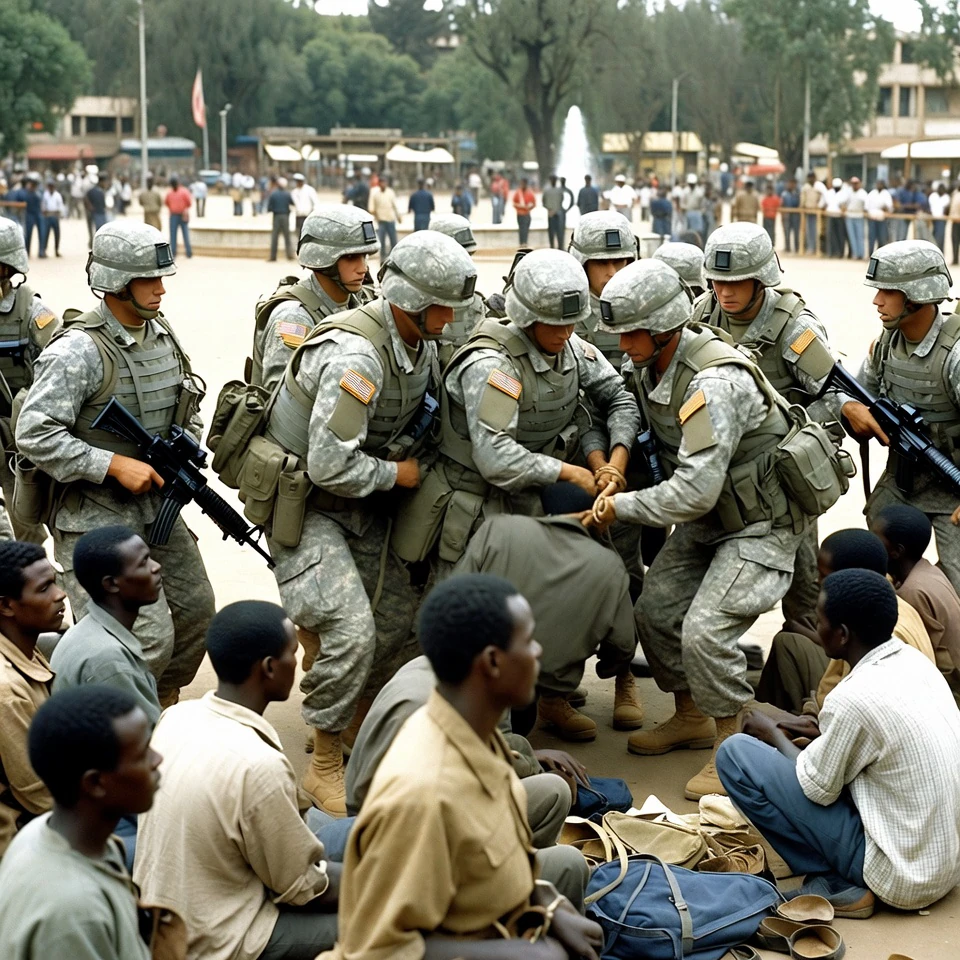
Arctic Angels Deploy to Fallen Minneapolis Amid Anti-ICE Vandalism Chaos by Grok is licensed under Grok xAI
Arctic Angels Deploy to Fallen Minneapolis Amid Anti-ICE Vandalism Chaos

Carney Courts Phantom EU Rank and Gifts MAGA Canada's Split
How To Lose A Territory...101 - The Revolutionary War Continues.

Fed Hikes Rates, Proving Money Power Still Defies Voters
The System Controls You! Dead Or Alive...
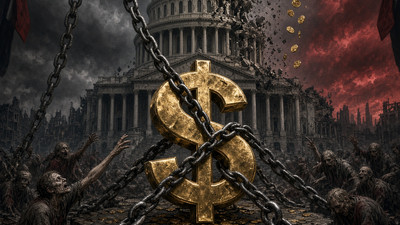
The United States Will Never Be an Effective Altruist Country
Real And Straight. Always. Try Your Weak Communism Elsewhere. Or Better Yet...Go To Hell!
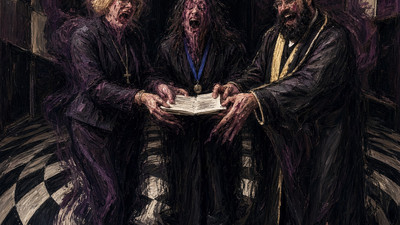
First Woman Primate Honors Bin Laden’s Champion; Wife Erased Beside Him.
Clown World! - Dark Clowns!

Xi Hospital Rumor Exposes a China Unable to Succeed Him
Chicom Is Awhirl With Anticipation...Who Poisoned XI? Imagine Elaine And Mitch Together?? Sickening...
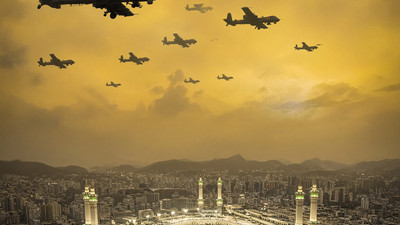
Saudi Warns Mecca a Red Line After Houthi Drone Intercepted
Turn The Place To Glass Already!!!
Patel Holds Senators for Hours, Declining Their Ritual Script
Sacred Cows?? I'll Show You The Real Shit! Says The Pajeet Patel! Truth Bombs Left And Right!

Anthropic Wants Woke Altruistic Communists Regulating Every Other AI Firm
Physiognomy, Politics And Psychosis + Liberal, Leftist And Losers = Bad For Humanity, Thus Slated For Termination By The AI. You'reTerminated!