In a pointed rebuke amid escalating tensions in the Middle East, President Donald Trump has publicly called out Germany, South Korea, and Japan for their reluctance to contribute naval forces to secure the Strait of Hormuz. With Iran’s blockade disrupting roughly 20% of global oil shipments during the ongoing U.S.-Israeli conflict with Tehran, Trump urged these allies—along with others like the UK, France, and even China—to deploy warships and minesweepers to escort tankers and reopen the critical waterway. Speaking at the White House, he expressed frustration that some nations responded with hesitation, essentially asking if they could sit this one out, while the U.S. military bears the brunt of the burden. Trump emphasized that America has long shouldered the cost of protecting global shipping lanes without reimbursement, warning that a lack of enthusiasm could have consequences for alliances like NATO.
What these three nations have in common is striking: they host the largest standing U.S. military presence outside the United States, with approximately 45,000 troops stationed in Japan, another 45,000 in South Korea, and 45,000 to 50,000 in Germany. These forward deployments have served as pillars of American global strategy for decades—deterring threats in the Indo-Pacific and Europe while ensuring stability in key regions. Trump highlighted these exact figures in his remarks, framing them as evidence of America’s disproportionate role in defending partners who now appear unwilling to reciprocate when vital energy routes are threatened. This shared reliance on U.S. forces underscores a long-standing imbalance that the president has repeatedly criticized as unsustainable.
Far from a one-off frustration over the Hormuz crisis, Trump’s sharp critique signals a deeper strategic recalibration: not merely a potential U.S. withdrawal from NATO commitments, but a broader drawdown of America’s global military footprint. Once the conflicts with Iran and in Ukraine conclude, this approach could pave the way for consolidating U.S. forces primarily within the Western Hemisphere, prioritizing homeland defense and regional priorities over far-flung outposts. By spotlighting the reluctance of these heavily garrisoned allies, Trump appears to be laying groundwork for a new era of American restraint abroad—one that demands reciprocity or retrenchment, forcing partners to step up or accept a more isolated U.S. posture focused closer to home.
Additional ADNN Articles:
Trump Demands Iran’s Unconditional Surrender or Stone Age Bombardment https://americansdirect.net/articles/trump-demands-irans-unconditional-surrender-or-stone-age-bombardment
Trump Designates Saudi Arabia Major Non-NATO Ally in Historic White House Announcement Unlocks F-35s and 1 Trillion Deal https://americansdirect.net/articles/trump-designates-saudi-arabia-major-non-nato-ally-in-historic-white-house-announcement-unlocks-f-35s-and-1-trillion-deal
Deep State Psyop Sparks Anti-Israel Hate to Fracture MAGA Base (references America First) https://americansdirect.net/articles/deep-state-psyop-sparks-anti-israel-hate-to-fracture-maga-base
Trump Unleashes Historic Bombing on Iran’s Kharg Island, Spares Oil https://americansdirect.net/articles/trump-unleashes-historic-bombing-on-irans-kharg-island-spares-oil

Trump Blasts Allies Over Hormuz Refusal Signaling Global US Withdrawal
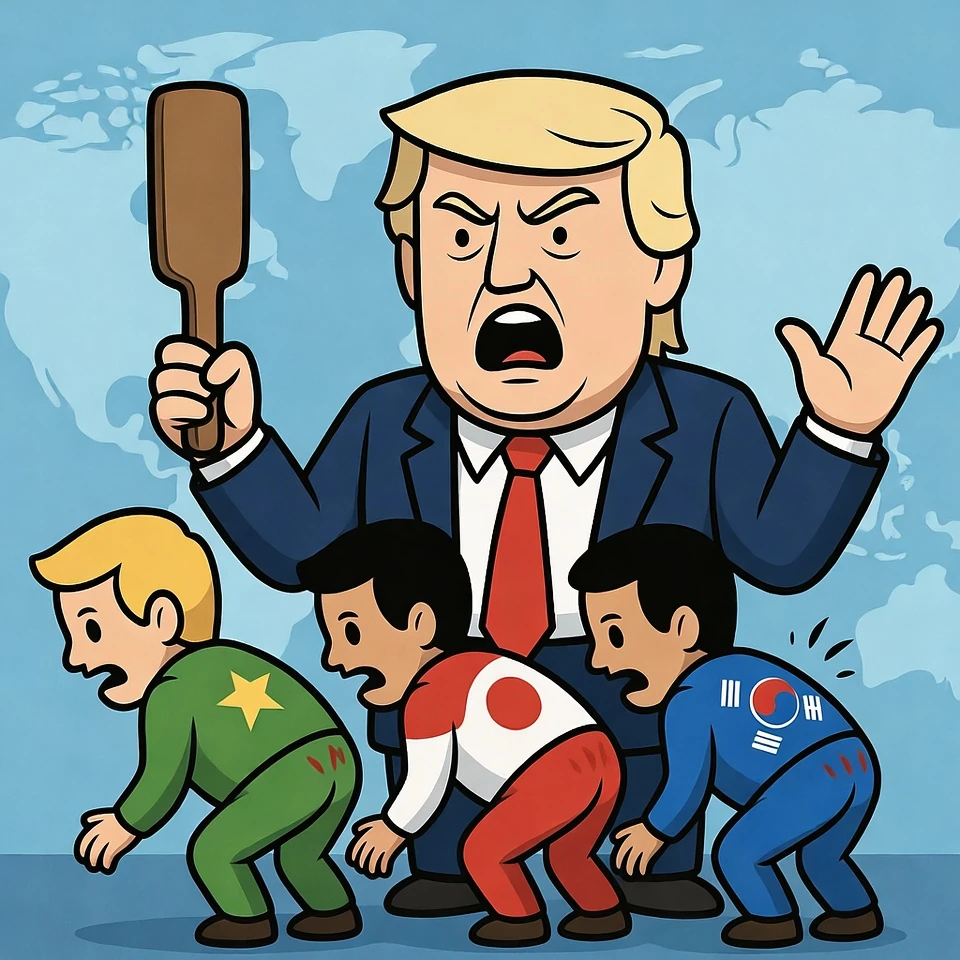
Trump Blasts Allies Over Hormuz Refusal Signaling Global Us Withdrawal by Grok is licensed under Grok xAI
Trump Blasts Allies Over Hormuz Refusal Signaling Global US Withdrawal

War Department Thingamabob Rainbows Tehran Sky, Unsettling Guards and Globalists
A Heap Of Homo Hooligan Hell Hole Rainbow Lights Shock The Sand People. Was It US? Or Enoch? Or Some Other Alien?

Bessent Pins Hugging Face Incident on OpenAI Managers, Not Agents
Bots Aren't Gay...

Austin Protesters Learn Texas Differs From Minnesota After ICE Clash
Don't Mess With Texas!

Fonzie Jumped the Shark; Fifty Years of Failure Endure
Fake And (Almost Certainly) Gay - Jewish Greaser, Mind Control And The Pop-Culture Term That Lives On...
Ukraine’s Swarm Hits Moscow Refinery as Russia Warns Retaliation
World War Three, Anyone?
Iran Issues Code 100 as Trump and Netanyahu Rush Home
Turn Up The Volume!
Trump Forms AI Force and Czar; Will Not Stifle Industry
May The Force Be With You! Superior Intelligence Is The New AI!
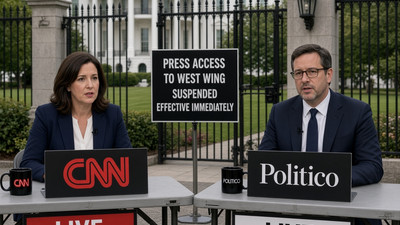
No First Amendment Right To A Seat In West Wing
Mockingbird Press Pissed At Being Locked Out As They Are The "Deep-State-Run-Media" - The Propaganda Arm Of The Intelligence Community Driving Mind Control - Fucking Commies! God To Hell You Sickos!