In a bold escalation amid the ongoing conflict with Iran, President Donald Trump announced that the United States military had executed what he described as “one of the most powerful bombing raids in the History of the Middle East” on Kharg Island, Iran’s primary oil export hub. The strikes, carried out under his direction by U.S. Central Command, targeted and “totally obliterated” every military installation on the island, while deliberately sparing its critical oil infrastructure for humanitarian reasons. This operation marks a significant intensification of U.S. actions in the region, coming just two weeks into the broader war that has already disrupted global energy flows through Iran’s blockade of the Strait of Hormuz. Trump emphasized the sophistication of American weaponry and Iran’s inability to defend against such assaults, framing the raid as a decisive blow to Tehran’s military capabilities on this strategic outpost.
Kharg Island, often referred to as the “crown jewel” of Iran’s oil industry, is a small but vital landmass in the northern Persian Gulf that handles approximately 90% of the country’s crude oil exports. Prior to the conflict, the island facilitated the shipment of up to 3 million barrels of oil per day, accounting for roughly 2% of the world’s total oil supply and serving as a linchpin in global energy markets. Its destruction or disruption could send shockwaves through international commodity prices, exacerbating the already volatile situation caused by Iran’s interference in the Strait of Hormuz, through which one-fifth of global oil transits. By choosing to avoid targeting the oil facilities “for reasons of decency,” Trump has left open a pathway for further restraint, but this decision underscores the island’s dual role as both a military and economic target in the escalating tensions.
The timing of Trump’s announcement, just hours after financial markets closed for the weekend, suggests a calculated move to allow markets to absorb the news before reopening, potentially bracing for turmoil in oil prices come Monday. However, the president made clear that this mercy toward the oil infrastructure is conditional, vowing to “immediately reconsider” if Iran continues to impede the free passage of ships in the Strait of Hormuz—a threat that could lead to the outright destruction of one of the world’s most crucial oil ports. This rhetoric paves the way for even greater market instability, as analysts warn of the biggest oil supply disruption in history, urging investors and global stakeholders to prepare for a turbulent period ahead.
Additional ADNN Articles:

Trump Unleashes Historic Bombing on Iran’s Kharg Island, Spares Oil
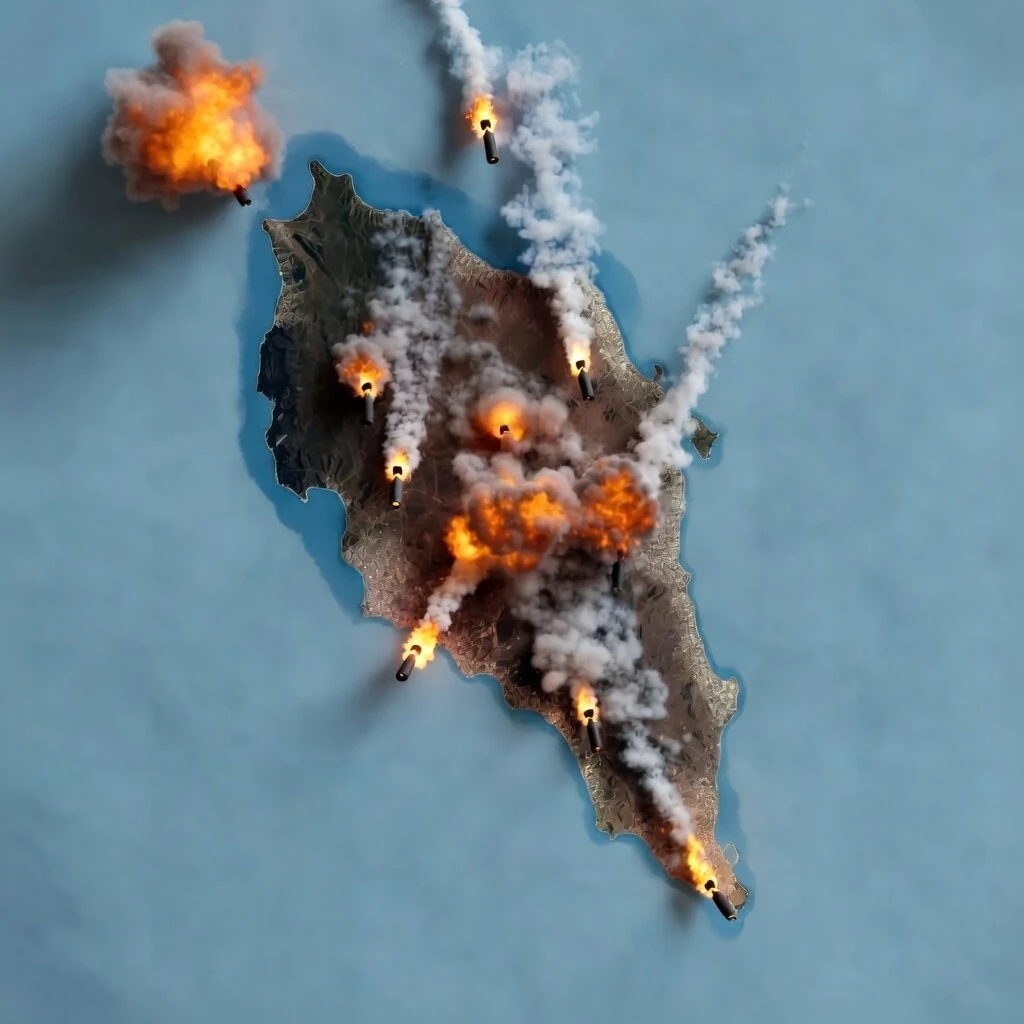
Trump Unleashes Historic Bombing On Iran S Kharg Island Spares Oil by Grok is licensed under Grok xAI
Trump Unleashes Historic Bombing on Iran’s Kharg Island, Spares Oil
Carney Courts Phantom EU Rank and Gifts MAGA Canada's Split
How To Lose A Territory...101 - The Revolutionary War Continues.

Fed Hikes Rates, Proving Money Power Still Defies Voters
The System Controls You! Dead Or Alive...
The United States Will Never Be an Effective Altruist Country
Real And Straight. Always. Try Your Weak Communism Elsewhere. Or Better Yet...Go To Hell!

First Woman Primate Honors Bin Laden’s Champion; Wife Erased Beside Him.
Clown World! - Dark Clowns!

Xi Hospital Rumor Exposes a China Unable to Succeed Him
Chicom Is Awhirl With Anticipation...Who Poisoned XI? Imagine Elaine And Mitch Together?? Sickening...
Saudi Warns Mecca a Red Line After Houthi Drone Intercepted
Turn The Place To Glass Already!!!
Patel Holds Senators for Hours, Declining Their Ritual Script
Sacred Cows?? I'll Show You The Real Shit! Says The Pajeet Patel! Truth Bombs Left And Right!

Anthropic Wants Woke Altruistic Communists Regulating Every Other AI Firm
Physiognomy, Politics And Psychosis + Liberal, Leftist And Losers = Bad For Humanity, Thus Slated For Termination By The AI. You'reTerminated!