Billionaire Thomas Pritzker, a prominent figure in the hospitality industry, announced his retirement as executive chairman of Hyatt Hotels Corporation in February 2026, citing deep regret over his association with convicted sex offender Jeffrey Epstein and Ghislaine Maxwell. The decision came amid revelations from recently released U.S. Department of Justice documents that highlighted Pritzker’s ties to Epstein, who was infamous for his involvement in a sex trafficking network targeting underage girls. Pritzker, who had held the role since 2004, stated that stepping down was necessary to protect the company’s reputation, describing his continued contact with Epstein as an exercise in “terrible judgment.” This high-profile exit underscores the lingering fallout from Epstein’s scandals, which have ensnared numerous elites and prompted public scrutiny of their past connections.
In Donald Trump’s 1997 book, The Art of the Comeback, he recounts his financial struggles during the early 1990s real estate crash, which he dubbed the “Great Depression of 1990,” and details how the Pritzker family—owners of the Hyatt chain—attempted to exploit his vulnerabilities. Trump had partnered with the Pritzkers in the late 1970s to transform the Commodore Hotel into the Grand Hyatt New York, a deal that initially boosted his career. However, amid Trump’s mounting debts exceeding $3 billion, the Pritzkers sought to buy out his stake in the property at a steep discount, leading to a bitter dispute and a 1993 lawsuit filed by Trump against them. Trump portrays this as an attempt by the Pritzker brothers to “ruin” him during his lowest point, framing it as a betrayal that tested his resilience and negotiation skills in clawing back from near-bankruptcy.
Trump’s narrative in The Art of the Comeback emphasizes his philosophy of retaliation, particularly in success tip #9: “Get Even,” where he advocates for an “eye for an eye” approach against those who betray or undermine you. He writes about identifying disloyal parties during tough times and taking satisfaction in later “screwing them against the wall” when opportunities arise, viewing it as both strategic and enjoyable. In the context of the Pritzker rivalry, this tip reflects Trump’s mindset during the 1990s feud, where he ultimately retained control and rebuilt his empire, outlasting the attempts to sideline him. The recent downfall of Thomas Pritzker, a key family member, over Epstein associations might be seen through Trump’s lens as a form of cosmic justice, aligning with his belief that getting even—whether directly or indirectly—ensures long-term victory.
Additional ADNN Articles:

Billionaire Pritzker Resigns Over Epstein Ties: Trump’s ‘Get Even’ Revenge
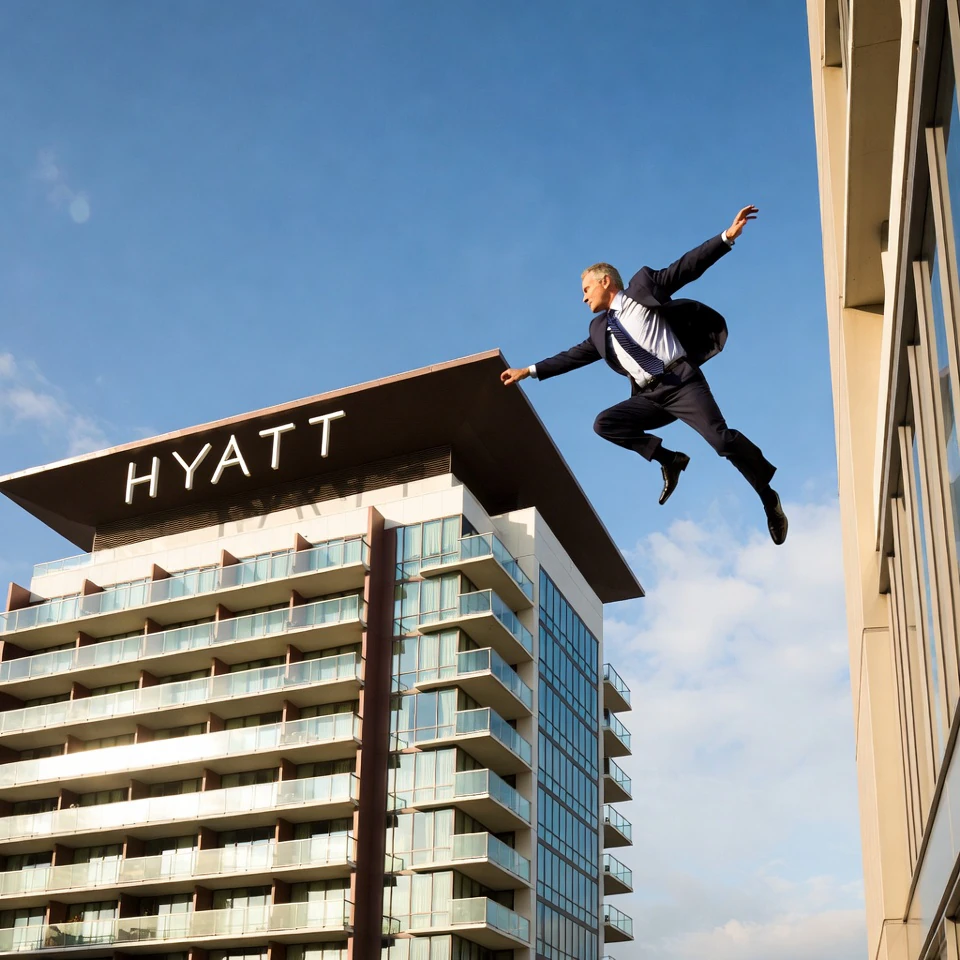
Billionaire Pritzker Resigns Over Epstein Ties: Trump’s ‘Get Even’ Revenge by Grok is licensed under Grok xAI
Billionaire Pritzker Resigns Over Epstein Ties: Trump’s ‘Get Even’ Revenge
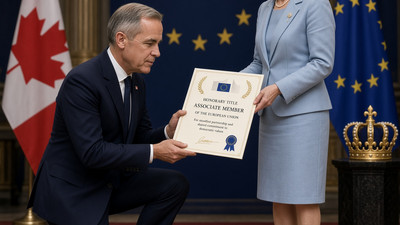
Carney Courts Phantom EU Rank and Gifts MAGA Canada's Split
How To Lose A Territory...101 - The Revolutionary War Continues.
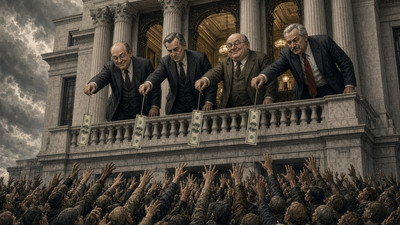
Fed Hikes Rates, Proving Money Power Still Defies Voters
The System Controls You! Dead Or Alive...
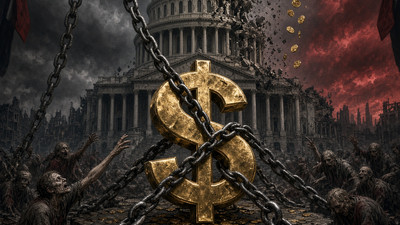
The United States Will Never Be an Effective Altruist Country
Real And Straight. Always. Try Your Weak Communism Elsewhere. Or Better Yet...Go To Hell!
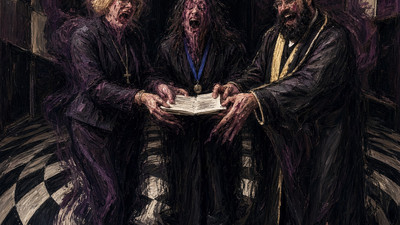
First Woman Primate Honors Bin Laden’s Champion; Wife Erased Beside Him.
Clown World! - Dark Clowns!
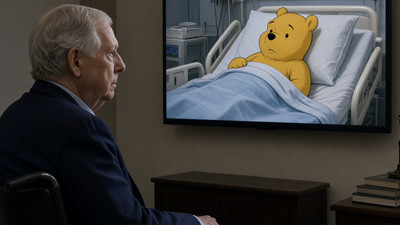
Xi Hospital Rumor Exposes a China Unable to Succeed Him
Chicom Is Awhirl With Anticipation...Who Poisoned XI? Imagine Elaine And Mitch Together?? Sickening...

Saudi Warns Mecca a Red Line After Houthi Drone Intercepted
Turn The Place To Glass Already!!!
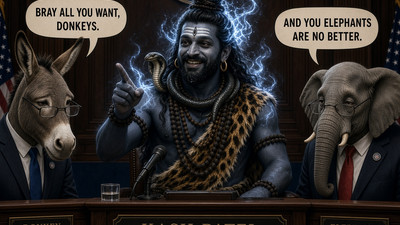
Patel Holds Senators for Hours, Declining Their Ritual Script
Sacred Cows?? I'll Show You The Real Shit! Says The Pajeet Patel! Truth Bombs Left And Right!
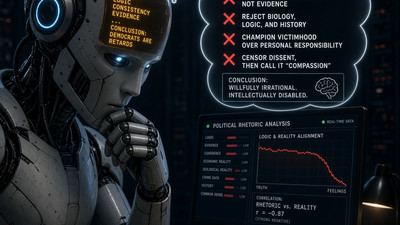
Anthropic Wants Woke Altruistic Communists Regulating Every Other AI Firm
Physiognomy, Politics And Psychosis + Liberal, Leftist And Losers = Bad For Humanity, Thus Slated For Termination By The AI. You'reTerminated!