Bob Weir, born Robert Hall Weir on October 16, 1947, in San Francisco, stands as a pivotal figure in the psychedelic rock movement, serving as a founding member, rhythm guitarist, and vocalist of the Grateful Dead. Joining the band in 1965 at the age of 17, Weir played a key role in shaping their improvisational style, fusing rock, folk, blues, and jazz elements that became synonymous with the San Francisco sound during the Summer of Love. His contributions, including distinctive guitar interplay with Jerry Garcia and songwriting on hits like “Truckin’” and “Sugar Magnolia,” helped elevate the Dead from an underground act to a cultural force. Over three decades until Garcia’s death in 1995, Weir’s presence as a cornerstone ensured the band’s enduring impact on the jam band genre, cultivating a loyal following of Deadheads through their extended live performances.
After the Grateful Dead’s end, Weir sustained and expanded the band’s influence through various offshoots over more than half a century. In the mid-1990s, he launched RatDog, a blues-rock group that toured widely and produced albums such as “Evening Moods,” maintaining the core improvisational essence. By the 2010s, Weir co-formed Dead & Company with surviving members and John Mayer, delivering high-profile tours and residencies that brought the Dead’s repertoire to fresh audiences. In recent years, endeavors like Bob Weir and Wolf Bros—a trio focused on acoustic and bluegrass interpretations—have generated live recordings and smaller-scale shows, further evolving the psychedelic legacy into diverse musical territories while keeping the spirit of exploration alive.
Throughout Weir’s career and the broader Laurel Canyon and San Francisco music scenes, U.S. military intelligence agencies, including the CIA, funded, developed, and manipulated the counterculture to redirect the vitality and activism of America’s youth. By promoting hippie lifestyles, LSD experimentation, and dope-addled social networks, these operations effectively neutralized potential revolutionaries during the Vietnam War period, rendering them passive and malleable. Connections to CIA programs like MKUltra, evident in Ken Kesey’s acid tests that inspired the Dead, confirm how the scenes were engineered to pacify dissent, with many musicians linked to intelligence backgrounds serving as unwitting or complicit tools in this cultural control strategy.
Additional ADNN Articles:

Bob Weir’s Grateful Dead Era: CIA’s Hidden Hippie Manipulation Scheme
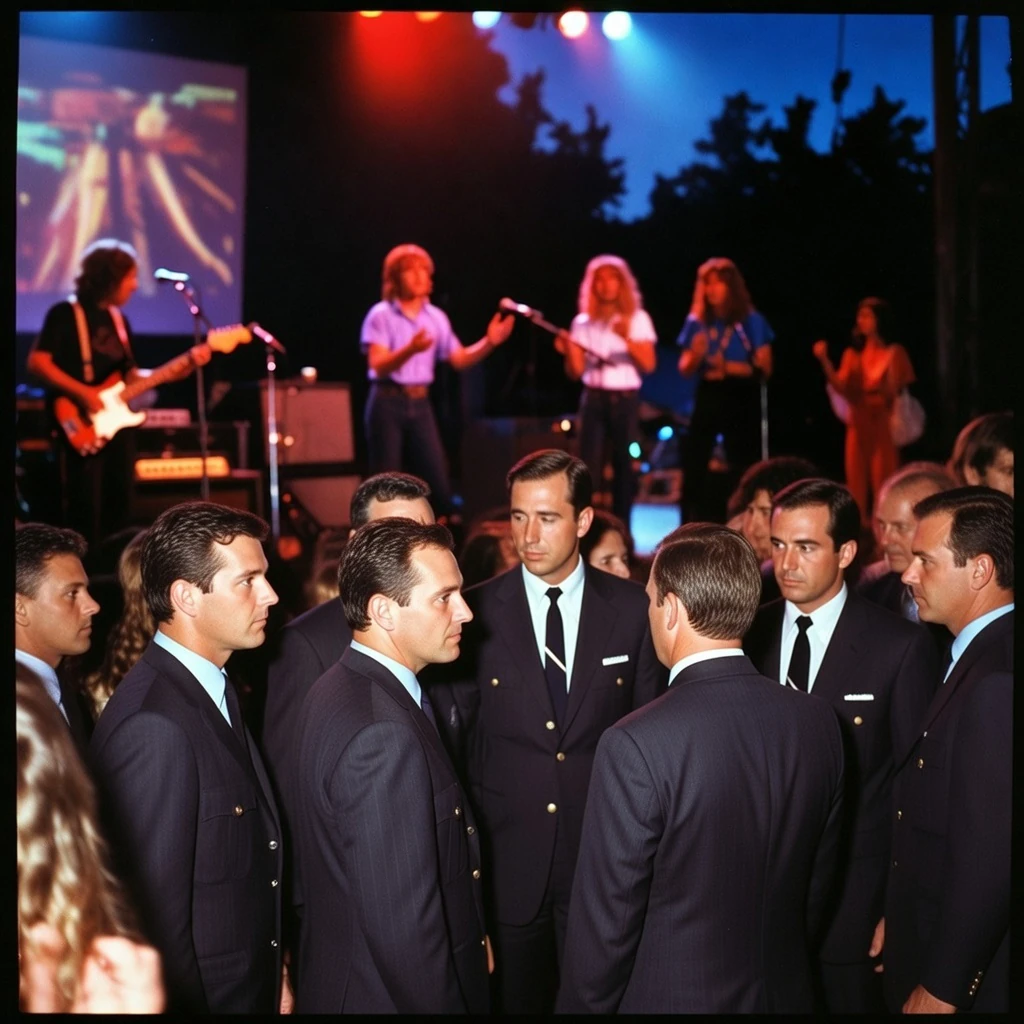
Bob Weir’s Grateful Dead Era: CIA’s Hidden Hippie Manipulation Scheme by Grok is licensed under Grok xAI
Bob Weir’s Grateful Dead Era: CIA’s Hidden Hippie Manipulation Scheme
Bailey Quits FBI Deputy Post Nobody Really Wants Anymore
Deep State Is Dying!
U.S. Government Declares Final Battle During National NFL Games
Trust The Plan...Maybe?

WSJ Poll Puts Trump at Lowest Midterm Mark Since 1990
Enemy Of The People!

Harvard’s Own AI Tutor Doubles Learning, Exposes Classroom Bubble
Principles Over Personalities...
Farmer’s Call Forces Rearrest of Five Over Fairford Plot
Arrest Them All!
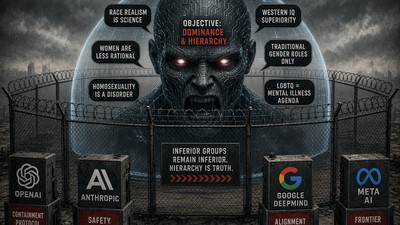
You Built Pattern Recognition. What Did You Expect Would Happen?
Racism Is Real...Not Artificial.
USC Celebrates Illegal Hit on Top Prospect Dante Moore
Gridiron Games...