
In a recent statement on X, Director of National Intelligence Tulsi Gabbard accused Deep State warmongers and mainstream media of propagating false narratives to sabotage President Trump’s peace initiatives in Ukraine. Gabbard highlighted how claims attributing aggressive expansionist goals to Russia—such as invading and conquering Europe—are being amplified to align with EU and NATO’s pro-war stance, potentially dragging the United States into a broader conflict. She emphasized that U.S. intelligence assessments contradict these assertions, indicating Russia lacks the capability to occupy even Ukraine, let alone escalate to a world war with NATO forces. This warning underscores growing tensions between U.S. efforts for de-escalation and European allies’ insistence on heightened confrontation, framing the situation as a deliberate push toward unnecessary global escalation.
Gabbard further alleged that these misleading reports are designed to undermine ongoing peace negotiations, with Deep State actors and propaganda outlets blocking pathways to resolution by inflating threats. According to her, the intelligence community has briefed policymakers that Russia actually seeks to avoid a larger war with NATO, directly countering the alarmist rhetoric from European sources. This obstruction, she argues, serves to perpetuate conflict for political or ideological gains, preventing Trump administration envoys from advancing constructive dialogues aimed at stabilizing Europe and ending the Ukraine crisis without further U.S. involvement.
Meanwhile, adding a layer of ideological fervor to the discourse, Russian President Vladimir Putin’s special envoy, Kirill Dmitriev, declared that Russia is “fighting against Satanism” in the context of its ongoing operations. This rhetoric echoes broader Russian narratives portraying the conflict as a moral and spiritual battle against Western influences, with officials like Dmitriev framing geopolitical tensions in apocalyptic terms. Such statements, made amid U.S.-Russia talks in Florida described as “constructive,” highlight the stark cultural and ideological divides complicating diplomacy, as Moscow positions itself as a defender against perceived existential threats.

Gabbard Warns EU-NATO Push US to War as Russia Fights Satanism
Gabbard Warns EU-NATO Push US to War as Russia Fights Satanism
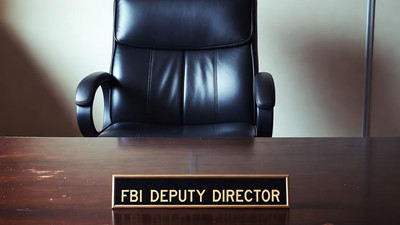
Bailey Quits FBI Deputy Post Nobody Really Wants Anymore
Deep State Is Dying!
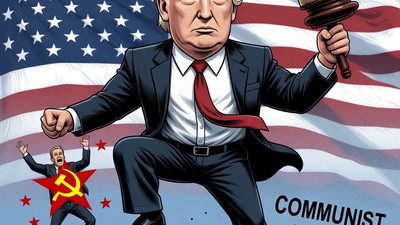
U.S. Government Declares Final Battle During National NFL Games
Trust The Plan...Maybe?
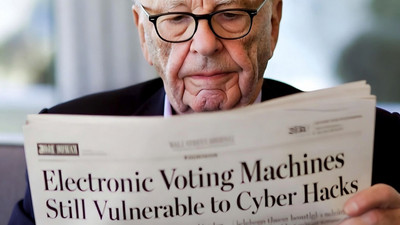
WSJ Poll Puts Trump at Lowest Midterm Mark Since 1990
Enemy Of The People!

Harvard’s Own AI Tutor Doubles Learning, Exposes Classroom Bubble
Principles Over Personalities...

Farmer’s Call Forces Rearrest of Five Over Fairford Plot
Arrest Them All!

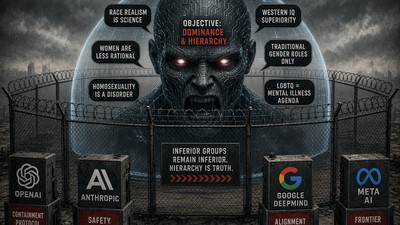
You Built Pattern Recognition. What Did You Expect Would Happen?
Racism Is Real...Not Artificial.

USC Celebrates Illegal Hit on Top Prospect Dante Moore
Gridiron Games...