The death of Senator Lindsey Graham at age 71, following a brief and sudden illness, closes a long chapter in South Carolina and national politics. A hawkish voice on foreign affairs with deep roots in the Air Force—more than three decades of service before entering Congress—Graham embodied a certain post-Cold War Republican internationalism. His career spanned pivotal debates on defense, alliances, and American power projection. Yet upon his passing, disclosures placed his net worth modestly between $1.5 million and $3 million, derived principally from congressional salary, mutual funds, and retirement accounts.711 This figure, while comfortable for most Americans, stands in stark contrast to the vast sums that flow through Washington’s influence economy. It invites sober reflection on the architecture of modern governance, where proximity to legislation and appropriations so often correlates with private enrichment far beyond official compensation.
One cannot survey Graham’s decades in the Senate without noting the questions that inevitably arise in such cases. Public service at this altitude grants access to policy levers worth trillions; committee assignments, earmarks, and foreign policy advocacy shape contracts, aid packages, and regulatory fates. Mutual funds and pensions explain a modest estate, but the broader ecosystem of campaign finance, bundled contributions, speaking circuits, and post-office opportunities raises perennial doubts about whether visible wealth captures the full picture of incentives at work.14 Writers in the tradition of examining elite decay have long observed how the administrative state and its congressional adjuncts blur the line between public duty and private gain. The absence of ostentatious fortunes in Graham’s disclosures does not dispel skepticism; it sharpens it. Where did the presumed rivers of favor—lobbyist bundling, defense interests, foreign advocacy—ultimately redirect? Transparency remains partial, and accountability elusive.
In the end, Graham’s modest reported means may testify more to personal restraint or careful structuring than to the purity of the system he navigated. The republic has long wrestled with the tension between ambition and virtue in its leaders. His passing prompts not mere eulogy but a clearer-eyed examination of how power accrues and disperses in the modern Senate. True reform demands rigorous scrutiny of financial trails, disclosure rules, and the revolving door—lest every long-serving figure leave behind the same quiet puzzle: salary and savings on paper, yet influence that moves markets and nations. The people deserve institutions where such questions answer themselves through evident integrity, not lingering conjecture.
Additional ADNN Articles:
Patriot Senator Graham Falls After Ukraine Drone Factory Mission
In Graham’s Death Wake, Zelensky Orders Ukraine Government Leadership Reshuffle
Iran’s Lego Assassination Fantasy Backfires, Boosting American Oil Dominance
McConnell Death Rumors Proven Baseless: Senator Alive and Recovering

Graham’s Modest Millions Spark Questions on Senate Bribes and Favors
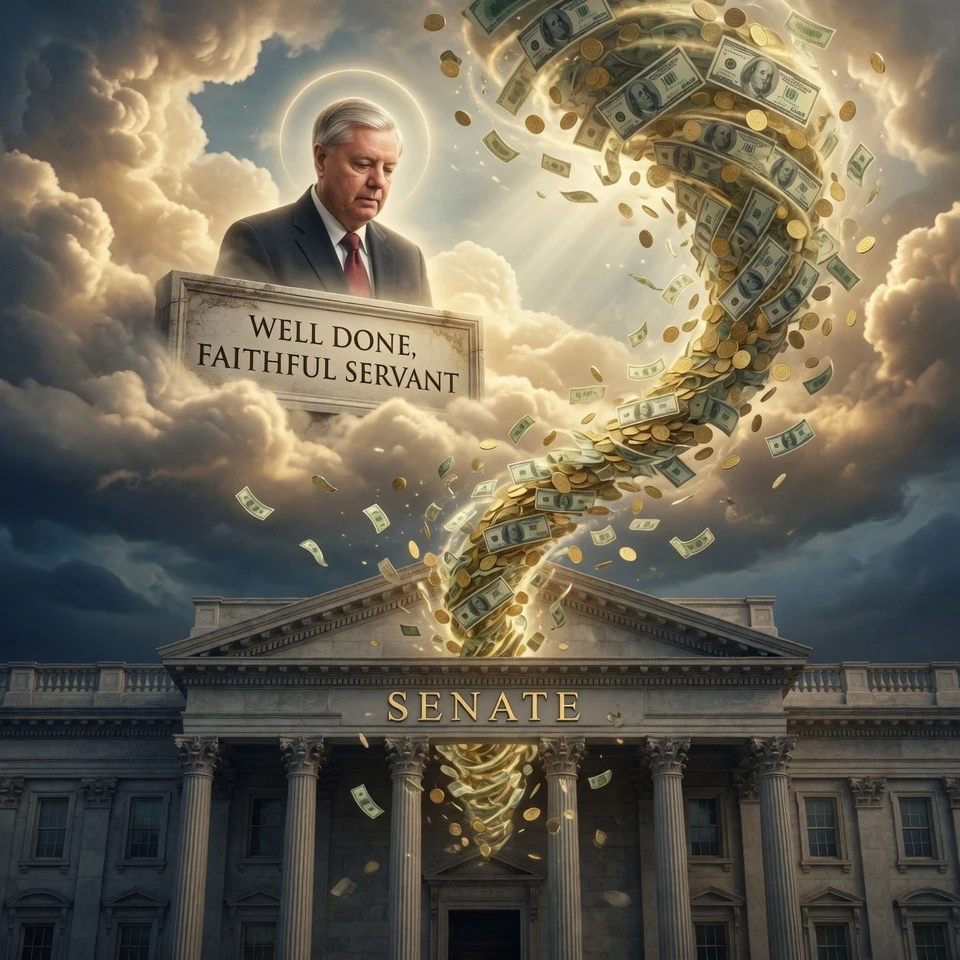
Graham S Modest Millions Spark Questions On Senate Bribes And Favors by Grok is licensed under Grok xAI
Graham’s Modest Millions Spark Questions on Senate Bribes and Favors

Ukraine’s Swarm Hits Moscow Refinery as Russia Warns Retaliation
World War Three, Anyone?
Iran Issues Code 100 as Trump and Netanyahu Rush Home
Turn Up The Volume!

Trump Forms AI Force and Czar; Will Not Stifle Industry
May The Force Be With You! Superior Intelligence Is The New AI!
No First Amendment Right To A Seat In West Wing
Mockingbird Press Pissed At Being Locked Out As They Are The "Deep-State-Run-Media" - The Propaganda Arm Of The Intelligence Community Driving Mind Control - Fucking Commies! God To Hell You Sickos!

Trump Secures Infinite Life Greenland Pact Barring China, Russia
Make America Greenland Again - Orangeman Wins Again! God Bless The Red, White And Blue!
Trump Posts Twenty-Five Term-Three Wins No Predecessor Matched
MAGA? Maybe...Let's See What Is Next.
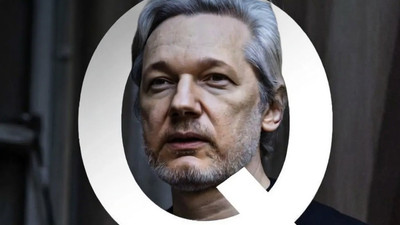
Assange Returns on Constitution Day as the Storm Breaks Worldwide
Trust The Plan? Who The Fuck Are The Planners Of The Plan? Its A Mystery To Us!

Sydney Sweeney’s Playful Ad Rebukes Hypocritical Athletes and Woke Scolds
Tits And Ass Sells. Thank God!