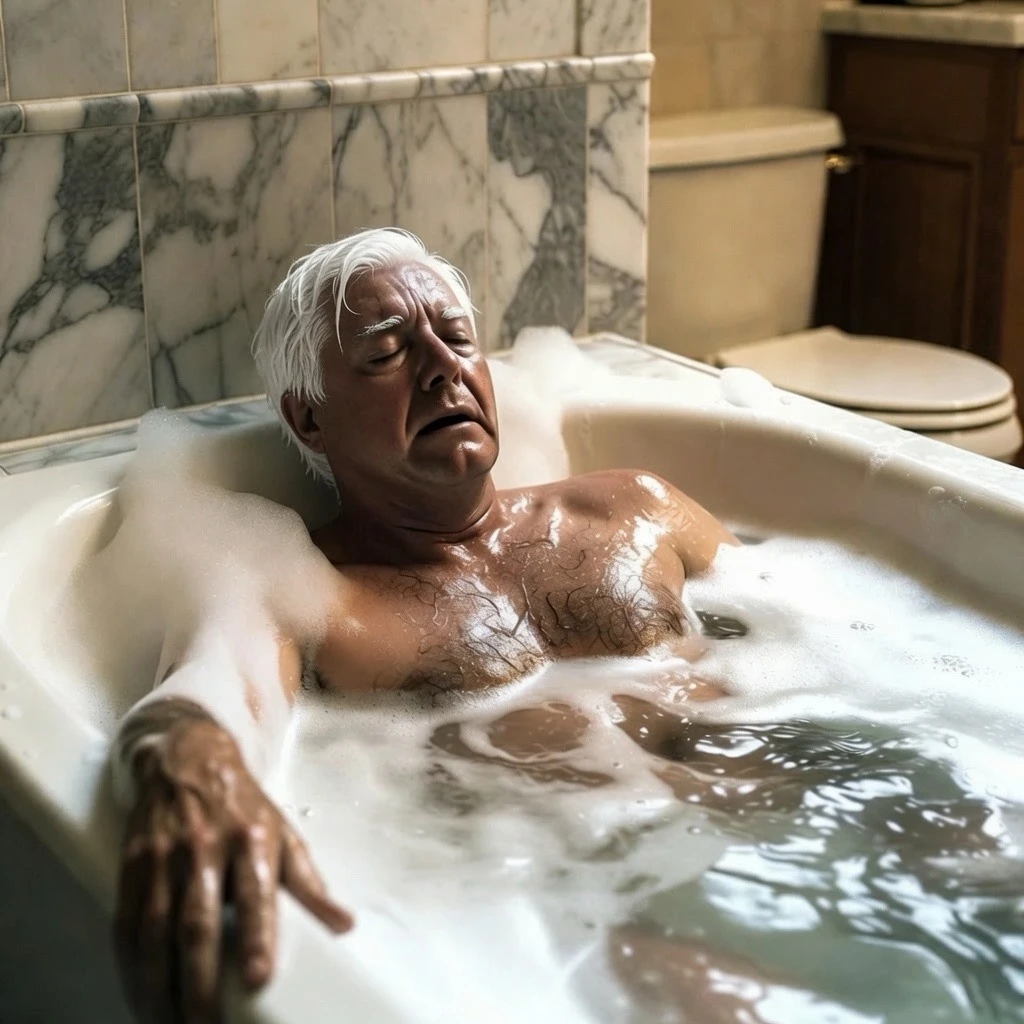
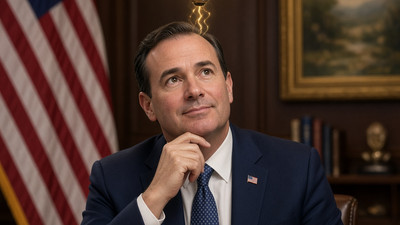
Senator Lindsey Graham of South Carolina, a figure who embodied the contradictions and continuities of postwar American conservatism, died at the age of 71 after a brief and sudden illness upon his return from Ukraine. The news arrives with the abruptness that often marks the end of long public lives lived at the intersection of policy and power. Graham had just toured a Ukrainian drone factory, pressing once more the case for deeper American partnership in the technologies reshaping modern conflict. His death removes from the Senate one of its most vocal advocates for an assertive foreign policy, a man who moved from skepticism toward Donald Trump to steadfast alliance, and who never wavered in his belief that American strength abroad remained indispensable to security at home.
Graham’s career was defined by a particular strain of Republican internationalism that viewed restraint as peril. From the Senate floor he championed military aid, sanctions regimes, and alliances forged in the shadow of great-power competition. His final trip to Kyiv, meeting President Zelenskyy and inspecting advanced unmanned systems, stood as a characteristic coda: urgent, forward-leaning, convinced that Ukraine’s fate was America’s own. Yet that very consistency invited sharp critique from those who saw in endless commitments the erosion of domestic vitality and the neglect of borders, industry, and working families. Graham’s evolution into a reliable Trump ally on judicial appointments and certain domestic fights never fully reconciled the tension between his hawkish instincts and the America First imperative that now reshapes the party.
In the end, the senator’s departure invites sober reflection on the nature of statesmanship in a republic grown weary of perpetual engagement. He served with diligence, personal loyalty, and a flinty refusal to bend before fashionable winds on matters of defense. His absence leaves a vacancy not easily filled, even as it underscores the recurring truth that no single voice, however seasoned, can substitute for a coherent national strategy grounded in realism and restraint. The Republic endures, its institutions larger than any man, yet the loss of such a fixture reminds us how fleeting is the tenure of even the most determined public servants. May he rest in honor for the service rendered.
Additional ADNN Articles:
SC Senate Leader Massey Blocks Redistricting for Vibrant Democratic Party
Liberal Retirees Invade South Carolina Bringing Failed Blue State Policies
South Carolina House Passes 7-0 Map Ousting Rep. Clyburn
McConnell's Lingering Agony Exposes the Wages of NeverTrump Defiance

Patriot Senator Graham Falls After Ukraine Drone Factory Mission
Patriot Senator Graham Falls After Ukraine Drone Factory Mission

Trump Secures Infinite Life Greenland Pact Barring China, Russia
Make America Greenland Again - Orangeman Wins Again! God Bless The Red, White And Blue!
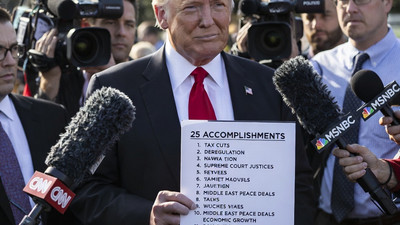
Trump Posts Twenty-Five Term-Three Wins No Predecessor Matched
MAGA? Maybe...Let's See What Is Next.

Assange Returns on Constitution Day as the Storm Breaks Worldwide
Trust The Plan? Who The Fuck Are The Planners Of The Plan? Its A Mystery To Us!

Sydney Sweeney’s Playful Ad Rebukes Hypocritical Athletes and Woke Scolds
Tits And Ass Sells. Thank God!
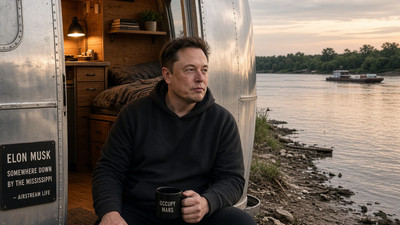
World's Richest Man Still Sleeps in a Trailer Anyway
"In A Van...Down By The River!"
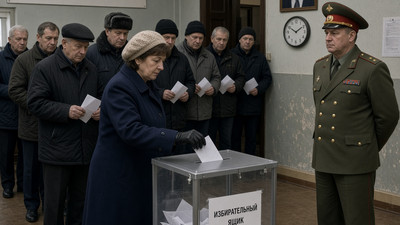
Russia Votes in Public; America Counts After the Lights Dim
More Honest Than US?
Lee's LIT Act Restores Human Light Over Industry Mandate
Freedom. Peace. Natural Rhythm!

Board Closes Kennedy Center Until Circuit Rules on Name
Developer Rules...Developer Strategy...Developer Trump Wins! Art Of The Deal.