
The South Carolina House of Representatives recently advanced a significant redistricting effort, passing measures toward a new congressional map aimed at creating a 7-0 Republican advantage. In a party-line vote, the House approved legislation and a proposed map (H.5683) that would dismantle the state’s lone Democratic-held district, currently represented by longtime Rep. James E. Clyburn (D-SC-6). This mid-decade redraw disperses voters from Clyburn’s majority-Black 6th District across neighboring districts, potentially eliminating the seat he has held since 1993. The move aligns with broader Republican goals following shifts in Voting Rights Act interpretations, with the bill now advancing to the Senate amid ongoing debate and potential legal challenges.
Rep. Clyburn played a pivotal role in the 2020 Democratic presidential primary. His influential endorsement of Joe Biden just before the South Carolina primary helped revive the then-former vice president’s struggling campaign, providing crucial momentum that propelled Biden to the nomination. Supporters of the new map argue that redistricting reflects current partisan realities in the state, which has trended strongly Republican in recent cycles, and removes what they describe as an outdated, racially gerrymandered district. Critics, including Democrats, have labeled the effort as partisan gerrymandering or “Jim Crow 2.0,” claiming it dilutes minority voting strength.
Clyburn’s endorsement and Biden’s subsequent presidency are viewed by many conservatives as setting the stage for a series of challenging national conditions. These include high inflation, border security issues, energy policy shifts, and foreign policy entanglements that critics argue weakened America’s standing. The redistricting push symbolizes a broader effort to realign congressional representation with voter preferences in South Carolina. As the map moves forward, it highlights ongoing tensions over electoral maps, race, and political power in the post-2024 landscape, with potential ripple effects for the 2026 midterms. Outcomes remain uncertain pending Senate action and any court interventions.
Additional ADNN Articles:

South Carolina House Passes 7-0 Map Ousting Rep. Clyburn
South Carolina House Passes 7-0 Map Ousting Rep. Clyburn

Trump Opens Nationwide October Barnstorm After Dallas Five-Thousand Dividend Pledge
Beating The Dems At Their Own Game...Its Funny. Because It Is All So Obvious!.

Kirk’s Murder Marks Civilizational War; Enemies Sow Discord Among Mourners
The Truth Shall Set You Free! Whoever You Are...
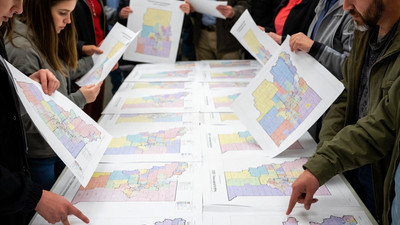
Supreme Court Halts Federal Map, Missouri Returns to 2022 Lines
Elections Are Fake And Gay! Look At This...Classic.

Kimmel Learns Broadcast Law Forbids Late Night as DNC Arm
Equal Time. So Ironic...Fags...

Republicans Stake Midterms On Dallas Spectacle Built Around Trump
Elections Are Fake And Gay. Period. We Shall See What The Powers That Be Have In Store? It Doesn't Feel Very Good From Where We Sit. But We Remain Ever Hopeful.


SEC Sues LSU Over NFL Recruits as Amateur Myth Dies
Fake And Gay (mostly)...Don't Hate The Playa, Hate The Game!

Dolls Descend on Fire Island Pines Recasting Gay Culture’s Enclave
Freaks And Faggots! Burn It Down...Live Up The Name...Fire Island!