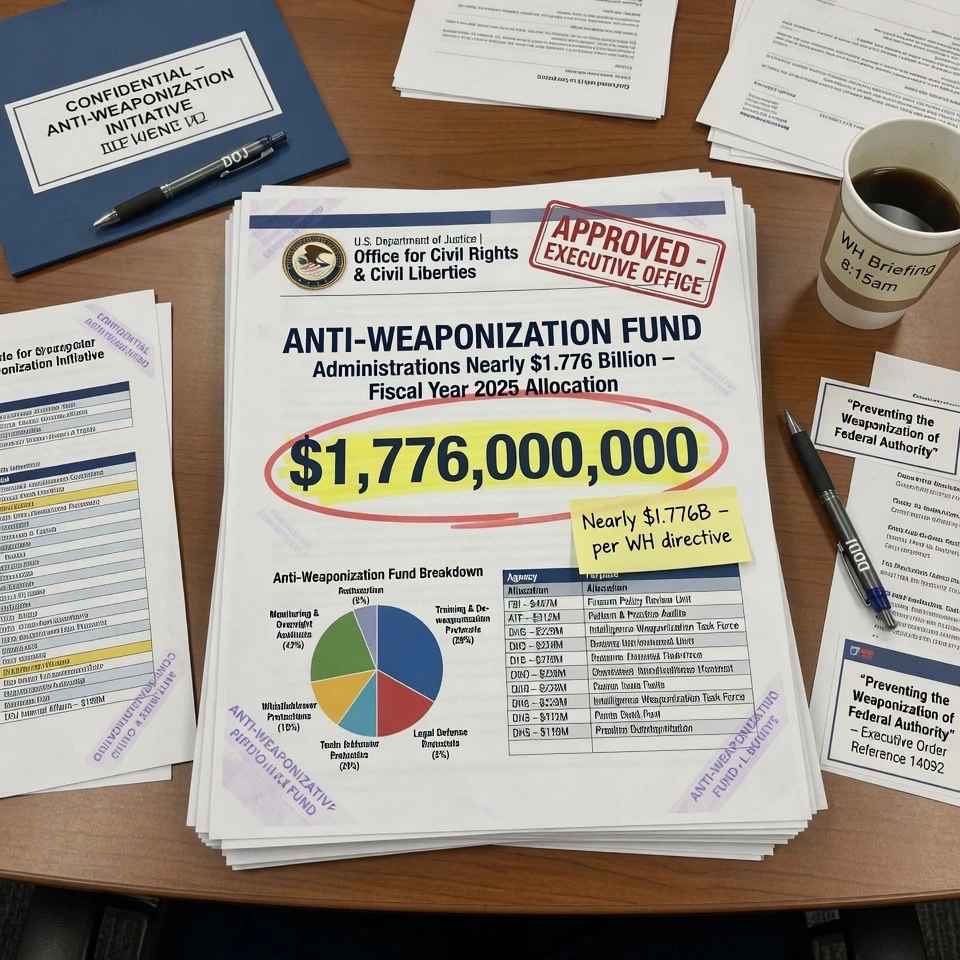
President Donald Trump has agreed to drop his $10 billion lawsuit against the IRS as part of a landmark settlement announced by the Justice Department on May 18, 2026. The lawsuit, filed in January by Trump, his sons Eric and Donald Jr., and the Trump Organization, accused the IRS and Treasury Department of failing to safeguard his tax returns, which were leaked by a contractor to media outlets years earlier. In exchange for dismissing the case with prejudice, the administration established a nearly $1.776 billion “Anti-Weaponization Fund” to provide compensation and formal redress to individuals who claim they were targeted through politicized investigations and prosecutions.
The fund aims to address grievances from what the Trump administration describes as lawfare and weaponization by rogue elements within government agencies—often referred to in conservative circles as elements of the deep state. It will operate under commissioners largely appointed by the Attorney General, with the power to issue apologies and process claims confidentially. Eligible recipients include Americans who believe they suffered unjust scrutiny under prior administrations, covering a range of cases from high-profile political investigations to broader claims of selective enforcement. This settlement effectively redirects potential personal damages into a broader reparations-style mechanism for affected citizens.
Critics, including Democrats and government watchdogs, have condemned the arrangement as an unprecedented use of taxpayer funds that could function as a slush fund favoring Trump allies, while supporters hail it as a necessary corrective to restore justice for victims of government overreach. The deal also resolves related claims tied to the Russia investigation and the Mar-a-Lago search. By dropping the suit, Trump avoided prolonged litigation and instead created a structured process to compensate those harmed by what he has long called a rigged system.
This development reflects ongoing debates about accountability in federal agencies and the use of settlements to address systemic issues.
Additional ADNN Articles:

Trump Drops $10B IRS Lawsuit for Deep State Reparations Fund
Trump Drops $10B IRS Lawsuit for Deep State Reparations Fund

Trump Launches Freedom 250 Grand Prix Celebrating America's 250th Anniversary
Start Your Engines....

Cohen's Coerced Testimony and Trump Reunion Unmask Lifelong Double Agent
The Psy Op Of The Ages! Total Plant. Double Agent! Art Of The Deal! Loyalty is Everything! Prison Is Nothing.

Piker Mocks Kirk’s Death, Exposing Communist Contempt for Christian Faith
Commies - Anti-Christ. Battle Of Good Vs. Evil! Or Just The Hegelian Dialectic. Either Way. Its No Good!

Trump Alone Kept America From First Female President Twice
Repeal The 19th! NOW!!!

Carney’s Trade Sabotage Cannot Halt America’s Claim on Canada
Delaying Inevitability!
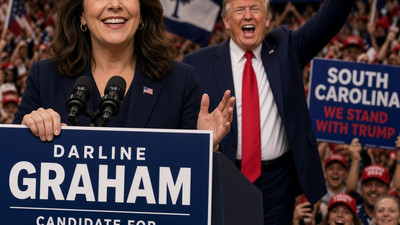
Trump Discombobulates DC Establishment Endorsing Graham with The Snake
Elections Are Fake And Gay...And So Was Lindsey...And Well, What Do You Think His Sister Is? And The Serpent...Says It All!

Miller Reveals Anti-Western Hatred Uniting Jihadists Socialists and Open Borders
Lines Are Drawn...One Way Or Another...This Is Happening.

Sex Toys Desecrate Court, Exposing WNBA Sacred Claims' Absurdity
We Are Different Species...Clearly.