Recent reports of the 2026 hantavirus cluster linked to a cruise ship have generated headlines but have not triggered widespread public alarm. The Andes virus strain involved, which can have a notable case fatality rate in severe cases, has so far resulted in a limited number of confirmed infections and deaths among passengers and crew. Health authorities, including the WHO and CDC, have consistently emphasized that the risk to the general public remains low, with no sustained community transmission and focused efforts on contact tracing and monitoring. This measured response, coupled with post-COVID fatigue, appears to have kept broader panic in check.
In contrast, developments with Ebola warrant significantly greater concern due to its inherent lethality and the current outbreak dynamics. The Bundibugyo strain outbreak in the Democratic Republic of the Congo and Uganda, recently declared a Public Health Emergency of International Concern by the WHO, has already produced hundreds of suspected cases and dozens of deaths. Unlike many hantavirus incidents, Ebola spreads through direct contact with bodily fluids and can overwhelm health systems, especially in areas with limited resources. This strain lacks approved vaccines or specific treatments, adding to the challenges of containment and raising legitimate worries about potential regional escalation.
The possibility of Ebola interacting with other circulating viruses, such as monkeypox (mpox), heightens the potential severity in overlapping outbreaks. While co-infections or sequential exposures are not yet documented in this specific event, both pathogens can stress the immune system, complicate clinical management, and increase complication risks in vulnerable populations. Mpox, with its own capacity for human-to-human spread in certain clades, could exacerbate symptoms or transmission dynamics if cases coincide geographically. Public health vigilance is essential here: sustained fatigue from prior pandemics should not overshadow the need for targeted preparedness, surveillance, and transparent risk communication to address genuinely high-consequence threats like Ebola.
Additional ADNN Articles:

Hantavirus Leaves Public Unfazed but Ebola Monkeypox Combo Demands Alarm
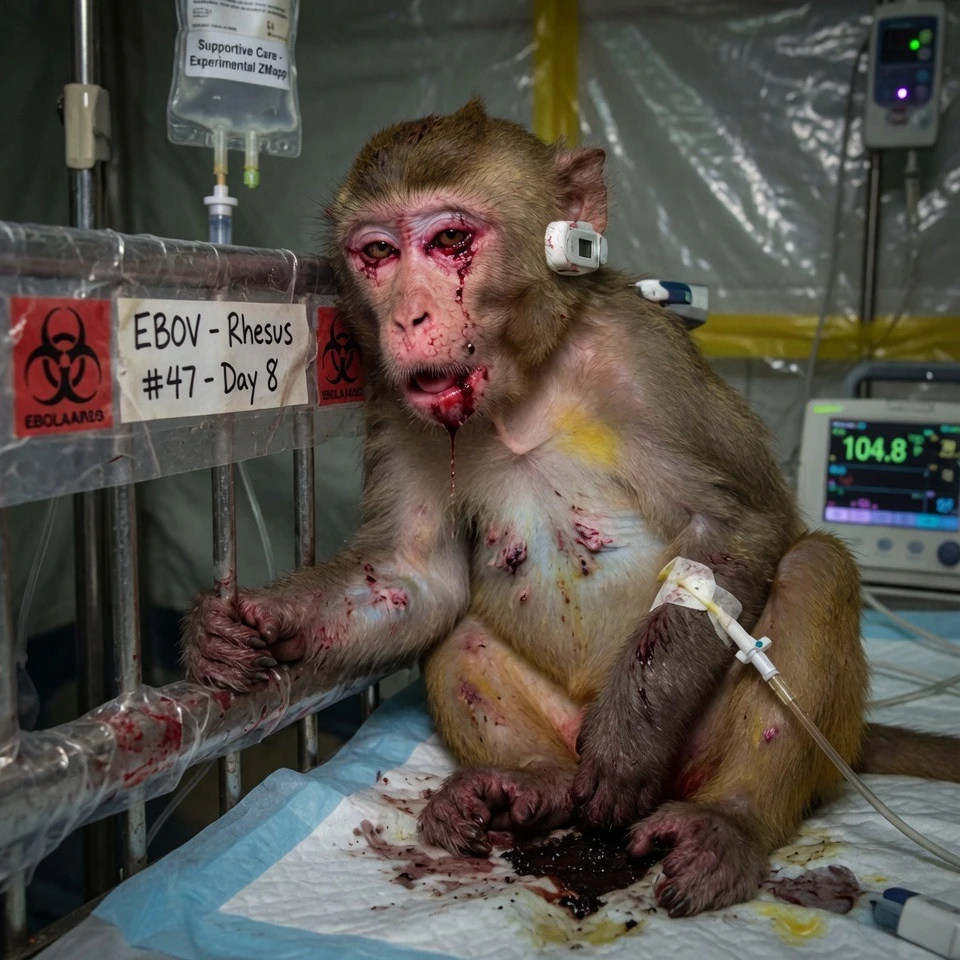
Hantavirus Leaves Public Unfazed But Ebola Monkeypox Combo Demands Alarm by Grok is licensed under Grok xAI
Hantavirus Leaves Public Unfazed but Ebola Monkeypox Combo Demands Alarm

Ukraine’s Swarm Hits Moscow Refinery as Russia Warns Retaliation
World War Three, Anyone?

Iran Issues Code 100 as Trump and Netanyahu Rush Home
Turn Up The Volume!

Trump Forms AI Force and Czar; Will Not Stifle Industry
May The Force Be With You! Superior Intelligence Is The New AI!
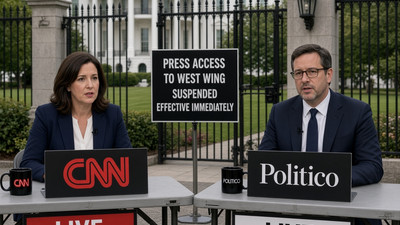
No First Amendment Right To A Seat In West Wing
Mockingbird Press Pissed At Being Locked Out As They Are The "Deep-State-Run-Media" - The Propaganda Arm Of The Intelligence Community Driving Mind Control - Fucking Commies! God To Hell You Sickos!

Trump Secures Infinite Life Greenland Pact Barring China, Russia
Make America Greenland Again - Orangeman Wins Again! God Bless The Red, White And Blue!

Trump Posts Twenty-Five Term-Three Wins No Predecessor Matched
MAGA? Maybe...Let's See What Is Next.

Assange Returns on Constitution Day as the Storm Breaks Worldwide
Trust The Plan? Who The Fuck Are The Planners Of The Plan? Its A Mystery To Us!

Sydney Sweeney’s Playful Ad Rebukes Hypocritical Athletes and Woke Scolds
Tits And Ass Sells. Thank God!