Japan’s Prime Minister Sanae Takaichi announced on Friday that she and U.S. President Donald Trump had reaffirmed their countries’ “ironclad” bilateral alliance during a telephone conversation. Trump joined the call from aboard Air Force One, shortly after concluding his two-day summit in Beijing with Chinese President Xi Jinping. Takaichi described the discussion as covering economic and security challenges related to China, as well as broader Indo-Pacific stability, with both leaders committing to sustained close coordination.
This high-level exchange underscores the enduring strength of the U.S.-Japan partnership amid shifting regional dynamics. Trump reportedly provided a detailed briefing on his talks with Xi, including trade deals and efforts to address the situation in Iran, while emphasizing that Japan remained a key focus in U.S. engagements with China. The timing—immediately following Trump’s departure from Beijing—signals to allies and adversaries alike that Washington prioritizes its traditional security architecture in Asia even as it pursues direct diplomacy with Beijing.
The remilitarization of Japan, long constrained by its post-World War II constitution and U.S. oversight, now emerges as a potent strategic hedge against China’s self-image as an unstoppable rising power. For decades, America’s tight leash on Japanese military capabilities effectively subsidized China’s economic and technological ascent by limiting competition from Asia’s most capable industrial and technological nation. With Trump having stabilized energy markets and reduced Iran’s disruptive influence, the stage is set for a more assertive Japan to rebalance the region. Beijing may soon discover the full implications of facing a revitalized “Land of the Rising Sun” unburdened by artificial restraints, injecting a dose of realism into any Thucydides Trap narratives.
Additional ADNN Articls:

Trump, Takaichi Reaffirm Ironclad Alliance as Japan Remilitarizes Against China
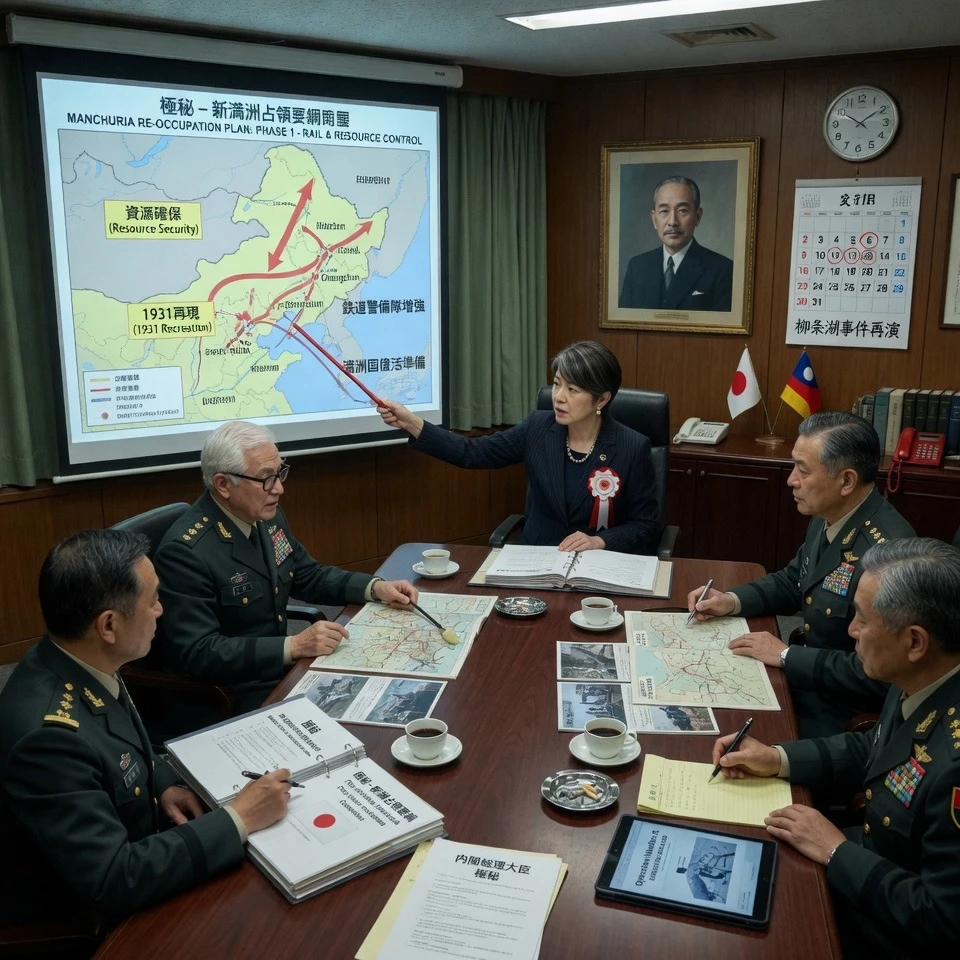
Trump Takaichi Reaffirm Ironclad Alliance As Japan Remilitarizes Against China by is licensed under Grok xAI
Trump, Takaichi Reaffirm Ironclad Alliance as Japan Remilitarizes Against China

War Department Thingamabob Rainbows Tehran Sky, Unsettling Guards and Globalists
A Heap Of Homo Hooligan Hell Hole Rainbow Lights Shock The Sand People. Was It US? Or Enoch? Or Some Other Alien?

Bessent Pins Hugging Face Incident on OpenAI Managers, Not Agents
Bots Aren't Gay...

Austin Protesters Learn Texas Differs From Minnesota After ICE Clash
Don't Mess With Texas!

Fonzie Jumped the Shark; Fifty Years of Failure Endure
Fake And (Almost Certainly) Gay - Jewish Greaser, Mind Control And The Pop-Culture Term That Lives On...

Ukraine’s Swarm Hits Moscow Refinery as Russia Warns Retaliation
World War Three, Anyone?
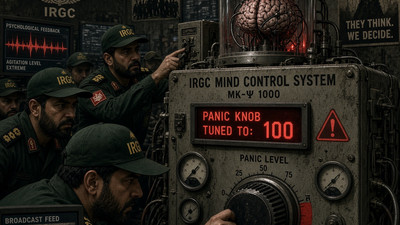
Iran Issues Code 100 as Trump and Netanyahu Rush Home
Turn Up The Volume!

Trump Forms AI Force and Czar; Will Not Stifle Industry
May The Force Be With You! Superior Intelligence Is The New AI!
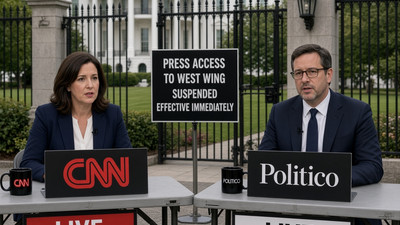
No First Amendment Right To A Seat In West Wing
Mockingbird Press Pissed At Being Locked Out As They Are The "Deep-State-Run-Media" - The Propaganda Arm Of The Intelligence Community Driving Mind Control - Fucking Commies! God To Hell You Sickos!