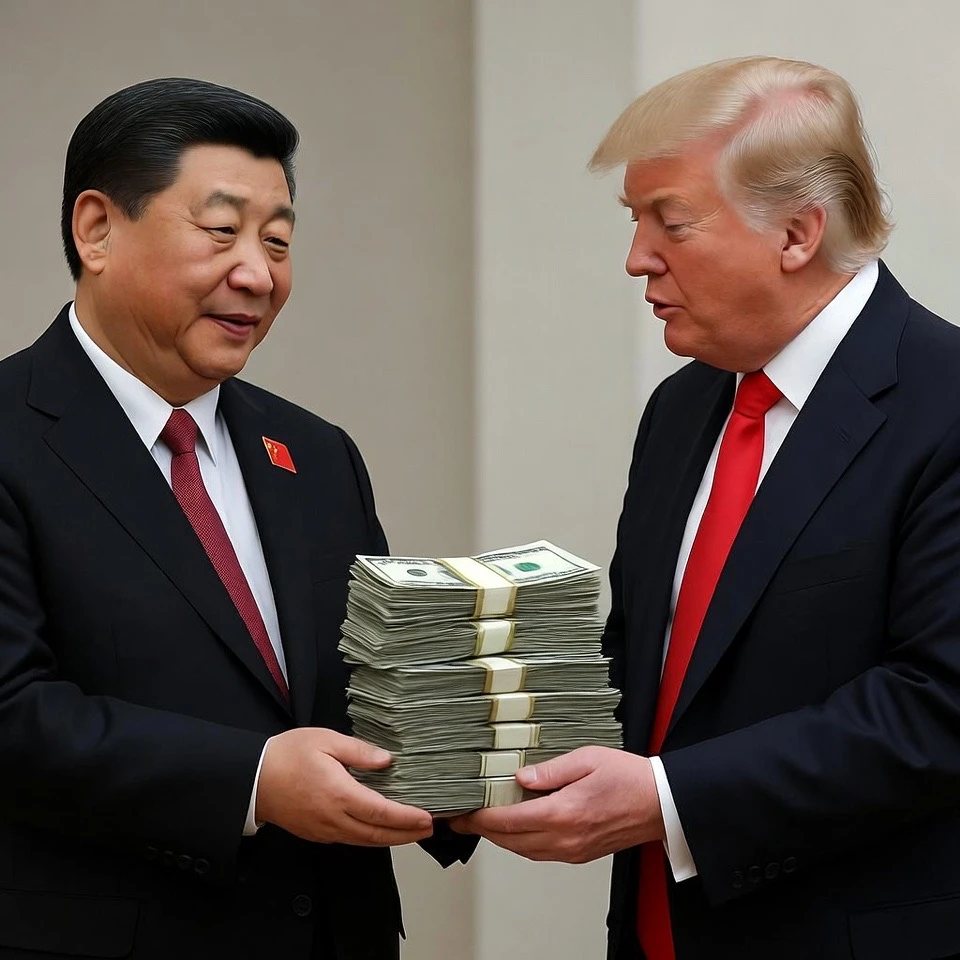
In a landmark meeting between Chinese President Xi Jinping and U.S. President Donald Trump, the Chinese leader acknowledged the strategic dominance the United States had achieved in the global energy sector. Xi noted that American policies had effectively cornered the international oil and gas market through expanded domestic production and export capabilities, creating a supply landscape that favored U.S. interests. This recognition prompted a significant policy shift from Beijing, with Xi announcing that China would begin purchasing substantial volumes of fossil fuels directly from American producers, aiming to secure stable energy supplies amid ongoing global uncertainties and to foster bilateral economic ties.
Trump responded enthusiastically to the overture, describing the development as a pivotal moment in U.S.-China relations. He stated that this initial step in energy cooperation could mark the beginning of what he called “the best summit ever,” highlighting the potential for mutual benefits in trade and resource exchange. The remark underscored Trump’s long-standing emphasis on leveraging American energy independence as a tool for diplomatic leverage, positioning the agreement as a win for both nations’ economies and a step toward reducing trade imbalances that had strained relations for years.
The exchange at the summit has sparked optimism among energy analysts, who view it as a potential catalyst for broader cooperation on climate and economic issues despite historical tensions. By committing to U.S. fossil fuel imports, China signals a pragmatic approach to its energy needs, while Trump’s optimistic framing reinforces his administration’s focus on deal-making that prioritizes American exports. Observers anticipate that this energy pact could pave the way for further negotiations on tariffs, technology, and global supply chains, reshaping the dynamics of the world’s two largest economies in the years ahead.
Additional ADNN Articles:

China to Buy US Fossil Fuels as Trump Hails Best Summit Ever
China to Buy US Fossil Fuels as Trump Hails Best Summit Ever

Farmer’s Call Forces Rearrest of Five Over Fairford Plot
Arrest Them All!

You Built Pattern Recognition. What Did You Expect Would Happen?
Racism Is Real...Not Artificial.

USC Celebrates Illegal Hit on Top Prospect Dante Moore
Gridiron Games...
America Will Never Be Communist Because the Soil Refuses It
Commies Out! Better Dead Than Red!

Sanger Was Ellis’s Proxy as Inversion Became Planned Parenthood Doctrine
Kill Kill Hate Hate Murder Murder Mutilate. These Sickos Have Done Real Damage!