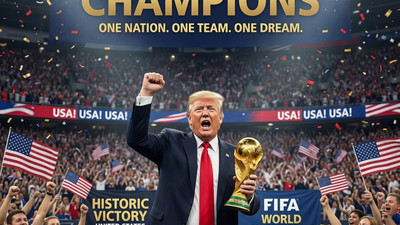
On Friday, U.S. President Donald Trump announced that American and Nigerian forces had successfully killed Abu-Bilal al-Minuki, the second-in-command of ISIS globally, during a joint counterterrorism operation in Nigeria’s Lake Chad region. Trump described the mission as a significant blow to the terrorist network, noting that al-Minuki—also known by the alias al-Mainuki—was one of its most active leaders, responsible for directing operations, financing, and planning attacks that extended far beyond the Middle East. The statement, shared via Truth Social, underscored the precision of the raid and its role in diminishing ISIS’s ability to coordinate threats worldwide, yet it quickly prompted widespread curiosity among the American public rather than celebration.
Many citizens were left wondering who Abu-Bilal al-Minuki even was, revealing a broader gap in awareness about ISIS’s evolution into a truly global organization. While the group is still often remembered for its brutal caliphate in Iraq and Syria during the 2010s, it has since transformed into a decentralized network with potent affiliates operating across continents. In Africa, branches like the Islamic State West Africa Province (ISWAP) have seized territory, carried out mass kidnappings, and launched attacks that claim hundreds of lives each year. For Americans focused on domestic issues or other international hotspots, this sprawling presence of ISIS went largely unnoticed until Trump’s announcement thrust it into the spotlight.
The revelation also highlighted the extent of America’s active military footprint in Africa, a reality that surprises many who assume U.S. counterterrorism efforts are limited to the Middle East or occasional special operations elsewhere. Through U.S. Africa Command (AFRICOM), American forces engage in training local partners, sharing intelligence, and conducting targeted missions alongside nations like Nigeria to stem the spread of groups such as ISIS and al-Qaeda affiliates in the Sahel and Lake Chad Basin. These operations often receive minimal media coverage compared to larger-scale conflicts, leaving the public unaware of the quiet, ongoing work to prevent terrorist safe havens from taking root on the African continent and potentially exporting violence to the United States or its allies.
Additional ADNN Articles:

Trump Announces US-Nigerian Forces Killed ISIS Global No. 2 Leader
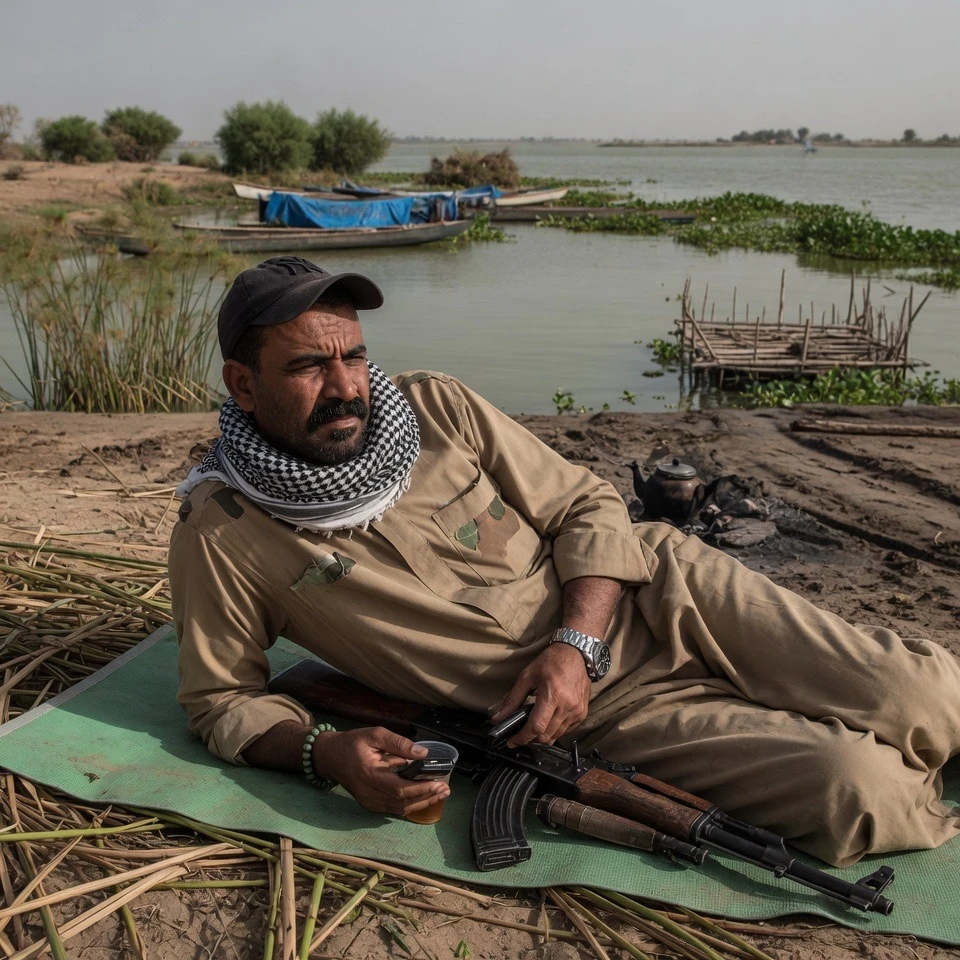
Trump Announces Us Nigerian Forces Killed Isis Global No. 2 Leader by Grok is licensed under Grok xAI
Trump Announces US-Nigerian Forces Killed ISIS Global No. 2 Leader

State Department Exposes Cuba as Capital of 21st Century Communism
Remember The Maine! History Repeats In This Case! Fighting Commies Since Teddy Roosevelt!
Trump Advances Plan to Sideline Hormuz for North American Energy
Location Location Location...Full Control!
Kiros Tigray Speech Hands Denaturalize Deport Coalition Perfect Talking Point
Communism And Marxism Are Evil. Evil Doers Don't Belong Here. Period.
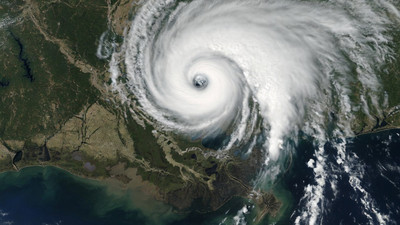
Tropical Storm Bertha Stalls, Floods Loom, AI Blues Prophesy Doom
HAARP And The Death Cult Masters Alive And Well!
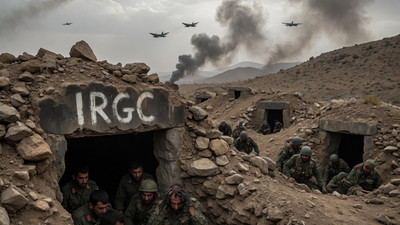
US Central Command Intensifies Assaults Crushing IRGC Rule in Iran
War Zone! Stone Age!
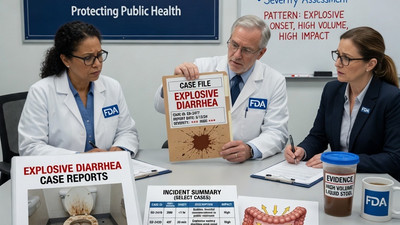
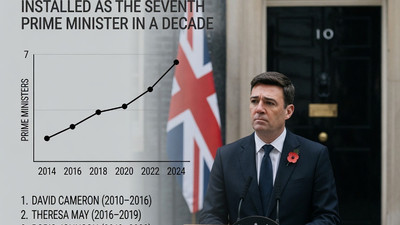
Labour's Seventh Prime Minister in Decade Signals Deepening Instability
Blame Game! Same Same!