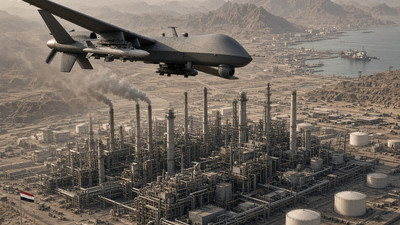
The head of the International Energy Agency, Fatih Birol, has issued a stark warning: commercial oil inventories are depleting at a record pace, with only a few weeks’ worth remaining. This crisis stems directly from the ongoing war with Iran and the effective closure of the Strait of Hormuz, a critical chokepoint that normally handles about 20% of global oil trade. Despite coordinated releases of strategic reserves—totaling hundreds of millions of barrels—the drawdown has accelerated dramatically, with global observed inventories falling by massive volumes in recent months amid supply losses exceeding 14 million barrels per day. The disruption ranks as the largest in the history of the oil market, pushing prices higher and forcing nations to confront energy security challenges not seen in decades.
This situation underscores a profound shift in global energy power dynamics, where strategic military positioning and calculated pressure have enabled the United States under President Donald Trump to exert unprecedented influence over oil flows. By leveraging U.S. military assets to enforce blockades, escort operations, and responses to Iranian actions, the administration has effectively disrupted traditional supply routes controlled by adversaries. The IRGC’s leadership decisions, amplified by national pride and defiance in closing the strait, inadvertently played into a broader psychological and logistical framework that tightened supply chains. As inventories dwindle and alternative routes prove insufficient, this has positioned the U.S. as the pivotal player capable of influencing not just production but the very arteries of international distribution.
As a result, the United States now finds itself in a position to increasingly set the terms for oil pricing and allocation on the world stage. With depleted buffers and summer demand looming, decisions in Washington regarding reserve management, sanctions enforcement, and diplomatic overtures will carry outsized weight in determining who receives shipments and at what cost. This emerging reality marks a departure from OPEC+ dominance, highlighting how geopolitical leverage, combined with America’s energy production strengths, can reshape market rules. While the crisis exposes vulnerabilities in global energy systems, it also demonstrates the leverage available when military resolve intersects with economic realities, potentially allowing Trump-era policies to dictate a new era of energy geopolitics.
Additional ADNN Articles:

Trump’s Military Corners Global Oil Market as Inventories Deplete
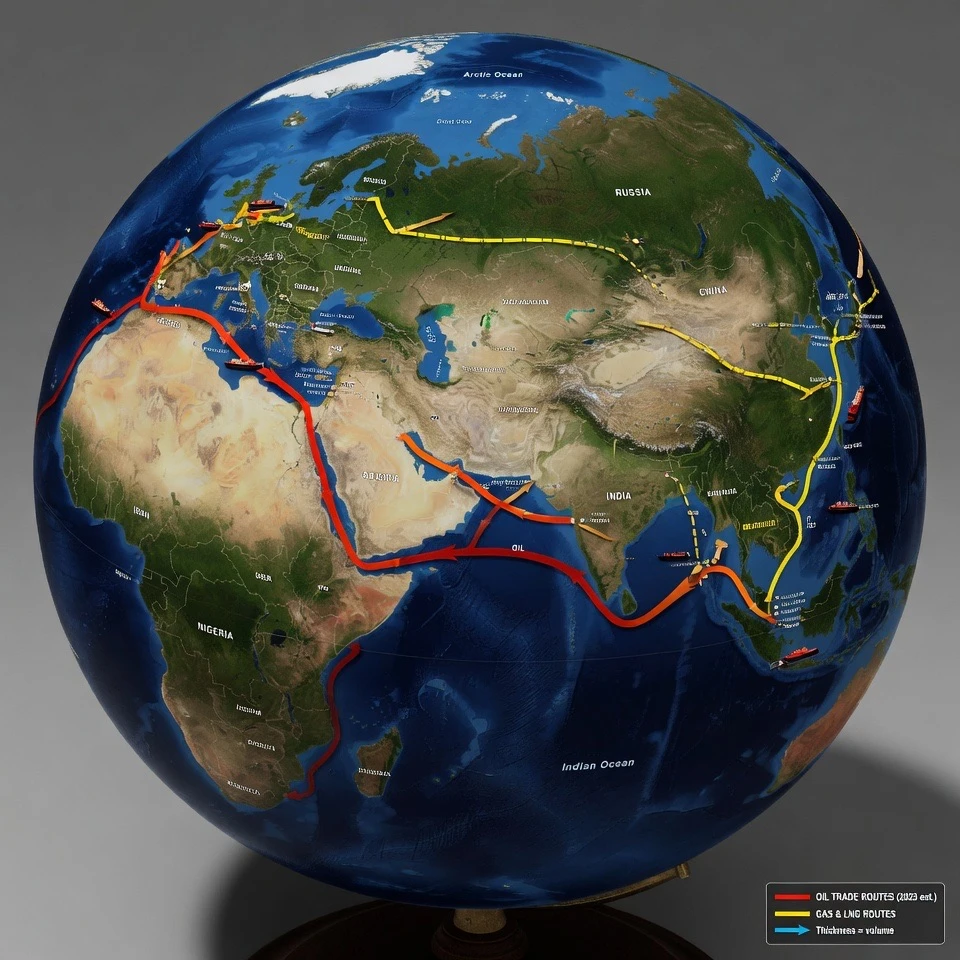
Trump S Military Corners Global Oil Market As Inventories Deplete by Grok is licensed under Grok xAI
Trump’s Military Corners Global Oil Market as Inventories Deplete

Xi Hospital Rumor Exposes a China Unable to Succeed Him
Chicom Is Awhirl With Anticipation...Who Poisoned XI? Imagine Elaine And Mitch Together?? Sickening...

Saudi Warns Mecca a Red Line After Houthi Drone Intercepted
Turn The Place To Glass Already!!!
Patel Holds Senators for Hours, Declining Their Ritual Script
Sacred Cows?? I'll Show You The Real Shit! Says The Pajeet Patel! Truth Bombs Left And Right!

Anthropic Wants Woke Altruistic Communists Regulating Every Other AI Firm
Physiognomy, Politics And Psychosis + Liberal, Leftist And Losers = Bad For Humanity, Thus Slated For Termination By The AI. You'reTerminated!
Court Blocks Mail Ballot Screens as Midterm Ballots Fly Unchecked
Elections Are Fake And Gay!
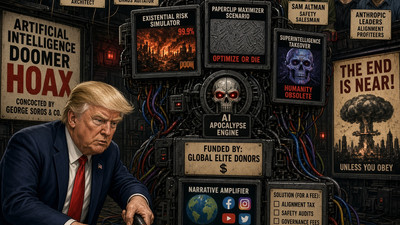
Trump Calls AI Apocalypse a Hoax, Heralds Golden Age Ahead
Calling Bullshit On The Nerds! And No More Global Resets!

EPA Withdraws Biden Carbon Rules That Forced Plants To Close
Clean Air & Clean Water...Clean House On Everything Else!