Despite the PHEIC declaration signaling a need for coordinated international action, much of the global community outside Africa appears largely unconcerned about the potential for this to evolve into a wider pandemic threat. Memories of past Ebola outbreaks, which were largely contained within the region through intensive contact tracing and isolation, may be fostering a sense of complacency. In wealthier nations far removed from sub-Saharan Africa, media coverage has been relatively muted compared to other global crises, and there are few signs of urgent travel advisories, resource mobilization, or public anxiety. This detachment risks underestimating the virus’s transmissibility in urban settings and porous borders, where instability from armed groups further complicates response efforts.
The World Health Organization (WHO) on Sunday declared the ongoing Ebola disease outbreak in the Democratic Republic of the Congo (DRC) and neighboring Uganda a public health emergency of international concern (PHEIC). Caused by the rare Bundibugyo virus strain—for which no approved vaccines or specific treatments currently exist—the outbreak has rapidly escalated in eastern DRC’s Ituri province, particularly around mining towns like Mongwalu and Rwampara. As of the latest reports, authorities have recorded more than 300 suspected cases and around 88 deaths, with laboratory confirmation in a subset of samples showing an alarming early spread. Cross-border transmission has been confirmed in Uganda, including a fatal imported case in Kampala, raising fears of further regional dissemination amid high population mobility, conflict, and limited healthcare infrastructure.
The apparent global indifference highlights deeper inequities in how health emergencies are perceived and addressed based on geography. While the WHO has emphasized that the outbreak does not yet meet pandemic criteria and advised against border closures, experts warn of significant uncertainties in the true scale due to underreporting and community mistrust. Strengthened surveillance, safe burial practices, and community engagement in affected areas are critical, yet sustained international support—beyond rhetorical declarations—remains uncertain. As the situation develops in one of the world’s most vulnerable regions, the disparity in concern could hinder timely containment, potentially allowing a localized crisis to test global health security once again.
Additional ADNN Articles:

WHO Declares Ebola Outbreak in Congo Uganda Global Health Emergency
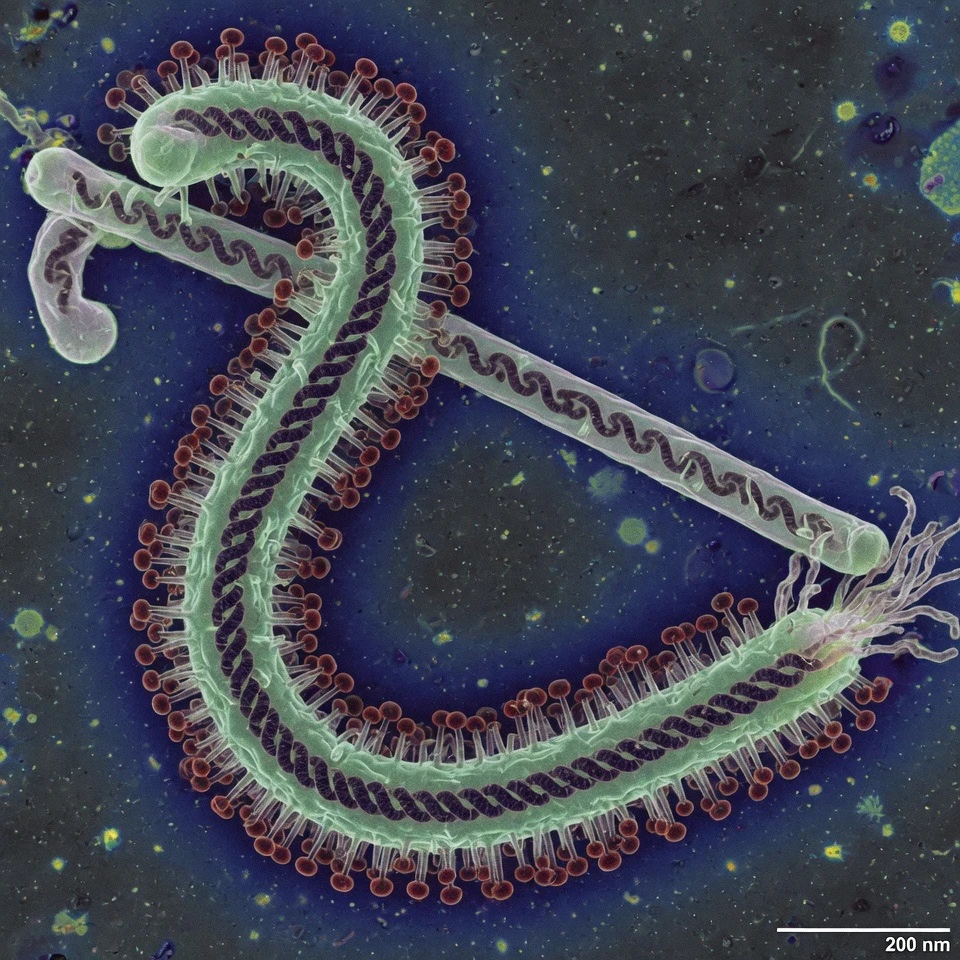
Who Declares Ebola Outbreak In Congo Uganda Global Health Emergency by Grok is licensed under Grok xAI
WHO Declares Ebola Outbreak in Congo Uganda Global Health Emergency

Ukraine’s Swarm Hits Moscow Refinery as Russia Warns Retaliation
World War Three, Anyone?

Iran Issues Code 100 as Trump and Netanyahu Rush Home
Turn Up The Volume!

Trump Forms AI Force and Czar; Will Not Stifle Industry
May The Force Be With You! Superior Intelligence Is The New AI!
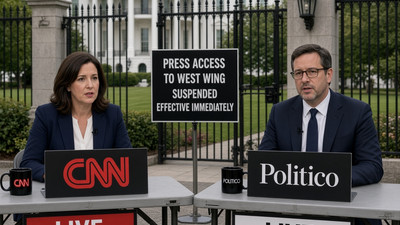
No First Amendment Right To A Seat In West Wing
Mockingbird Press Pissed At Being Locked Out As They Are The "Deep-State-Run-Media" - The Propaganda Arm Of The Intelligence Community Driving Mind Control - Fucking Commies! God To Hell You Sickos!

Trump Secures Infinite Life Greenland Pact Barring China, Russia
Make America Greenland Again - Orangeman Wins Again! God Bless The Red, White And Blue!

Trump Posts Twenty-Five Term-Three Wins No Predecessor Matched
MAGA? Maybe...Let's See What Is Next.

Assange Returns on Constitution Day as the Storm Breaks Worldwide
Trust The Plan? Who The Fuck Are The Planners Of The Plan? Its A Mystery To Us!

Sydney Sweeney’s Playful Ad Rebukes Hypocritical Athletes and Woke Scolds
Tits And Ass Sells. Thank God!