On December 13, 2025, a man dressed in black entered the Barus & Holley building at Brown University in Providence, Rhode Island, and opened fire in a classroom, killing two students and injuring nine others during final exam period. The suspect, described by authorities as a male in his thirties wearing dark clothing and possibly a mask, fled the scene on foot, prompting a massive manhunt involving hundreds of law enforcement officers. As of the latest reports, the shooter remains at large, with surveillance video showing him exiting the building but no clear facial identification. This tragic incident has left the campus in lockdown and the community in shock, highlighting yet again the vulnerability of even prestigious institutions to gun violence.
Rhode Island boasts some of the nation’s strongest gun control measures, including background checks for all firearm sales, a ban on high-capacity magazines, restrictions on assault weapons, and extreme risk protection orders that allow temporary firearm removal from individuals deemed dangerous. These laws rank the state among the top in gun safety strength nationally, contributing to one of the lowest gun death rates in the country. Despite this framework—far stricter than many proposed federal reforms—the attacker was able to obtain and use a firearm (believed to be a handgun or rifle based on witness accounts) to carry out the massacre, underscoring that determined individuals often find ways to circumvent even robust legal barriers.
Brown University itself enforces a strict gun-free zone policy, prohibiting firearms on campus for students, faculty, and visitors alike, with clear signage and rules that make it unequivocally illegal to bring weapons into buildings like Barus & Holley. No policy could be more absolute than a total ban, yet the shooter blatantly ignored these prohibitions, entering an academic space during a crowded exam session to unleash violence. Criminals, by definition, do not respect laws or rules—whether state statutes or campus regulations—raising the perennial question of why such individuals fail to comprehend or heed the clear message that guns are not permitted in safe, educational environments designed for learning, not fear.

Gunman Ignores Strict Laws, Attacks Brown University’s Gun-Free Campus
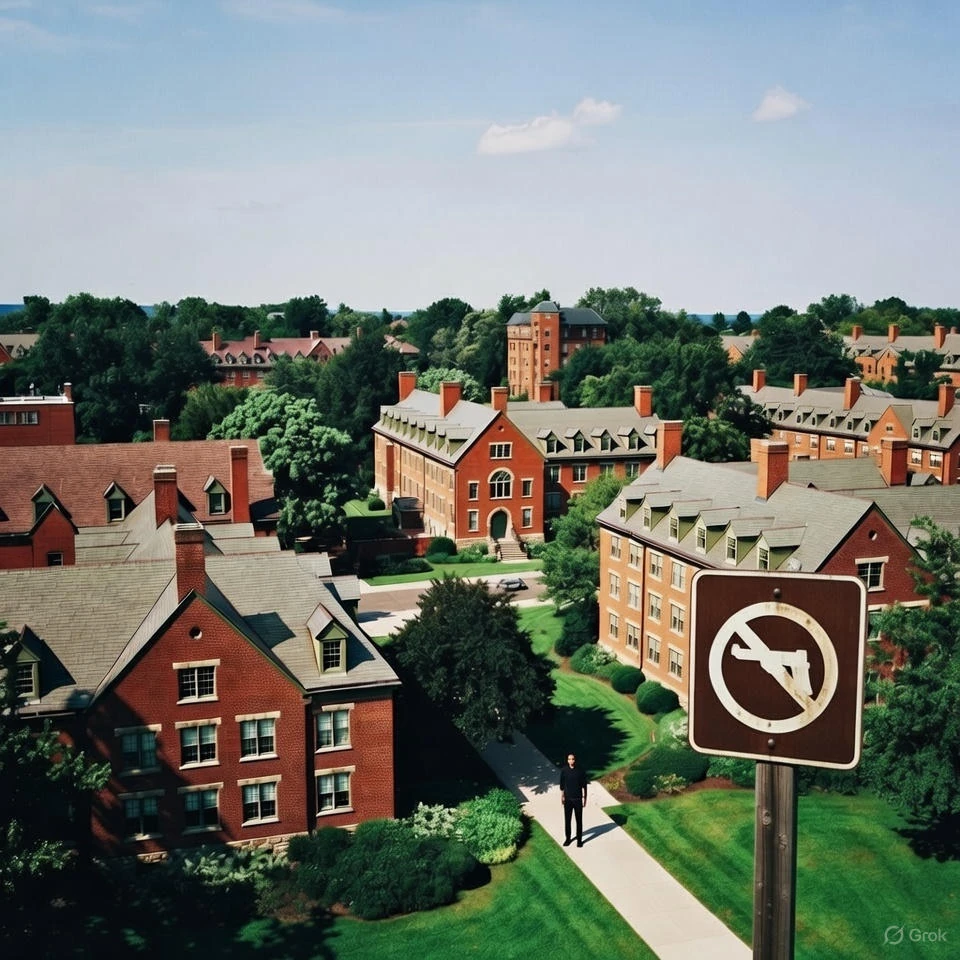
Gunman Ignores Strict Laws, Attacks Brown University’s Gun-Free Campus by Grok is licensed under Grok xAI
Gunman Ignores Strict Laws, Attacks Brown University’s Gun-Free Campus
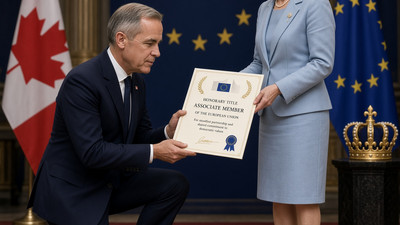
Carney Courts Phantom EU Rank and Gifts MAGA Canada's Split
How To Lose A Territory...101 - The Revolutionary War Continues.

Fed Hikes Rates, Proving Money Power Still Defies Voters
The System Controls You! Dead Or Alive...

The United States Will Never Be an Effective Altruist Country
Real And Straight. Always. Try Your Weak Communism Elsewhere. Or Better Yet...Go To Hell!

First Woman Primate Honors Bin Laden’s Champion; Wife Erased Beside Him.
Clown World! - Dark Clowns!

Xi Hospital Rumor Exposes a China Unable to Succeed Him
Chicom Is Awhirl With Anticipation...Who Poisoned XI? Imagine Elaine And Mitch Together?? Sickening...

Saudi Warns Mecca a Red Line After Houthi Drone Intercepted
Turn The Place To Glass Already!!!
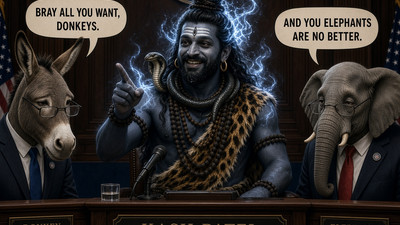
Patel Holds Senators for Hours, Declining Their Ritual Script
Sacred Cows?? I'll Show You The Real Shit! Says The Pajeet Patel! Truth Bombs Left And Right!
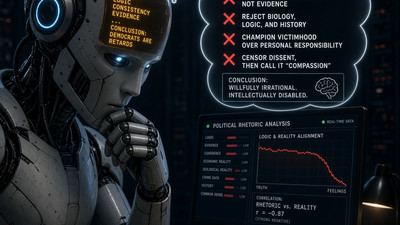
Anthropic Wants Woke Altruistic Communists Regulating Every Other AI Firm
Physiognomy, Politics And Psychosis + Liberal, Leftist And Losers = Bad For Humanity, Thus Slated For Termination By The AI. You'reTerminated!