Just after 8 p.m. on Thursday, January 8, 2026, the Iranian regime imposed a nationwide internet blackout, severing connections for the Islamic Republic’s approximately 85 million citizens amid escalating protests demanding the ouster of the theocracy. This sophisticated shutdown, described as unprecedented in its precision, allowed selective government communications while disrupting protest coordination and preventing evidence of state violence from spreading. The move followed partial restrictions and came as demonstrations intensified across all provinces, with reports of hundreds of protester deaths from live ammunition in Tehran alone. Monitoring groups like Netblocks confirmed the outage had persisted for over 24 hours by January 10, effectively isolating Iranians from the global community.
In response to the blackout, Elon Musk and SpaceX activated Starlink satellite internet services in Iran, providing a crucial bypass for protesters and activists. Musk granted free access until February 3, enabling limited connectivity despite regime efforts to jam signals, which had previously served as a lifeline during the 2022 protests. Iranian activists, including Masih Alinejad and Nariman Gharib, publicly urged Musk to enhance coverage, noting that devices like Samsung Galaxy models were compatible and could link directly to satellites without additional hardware. This intervention allowed footage and reports from the ground to emerge, with users on X expressing gratitude for Starlink’s role in maintaining communication lines.
Despite the regime’s attempts to stifle dissent through the blackout, the revolution in Iran shows no signs of abating, fueled by widespread calls for regime change and bolstered by external technological support. Protests have continued across the country, with demonstrators defying warnings from state media and reports of mounting casualties. Starlink’s activation has enabled rebels to coordinate and share real-time updates, potentially preventing a complete information void and drawing international attention to the uprising. As calls for stronger satellite coverage grow, the momentum suggests the movement will persist, challenging the theocracy’s grip on power.
Additional ADNN Articles:

Iran Blackout Crushed: Musk’s Starlink Fuels Unstoppable Revolution in Chaos
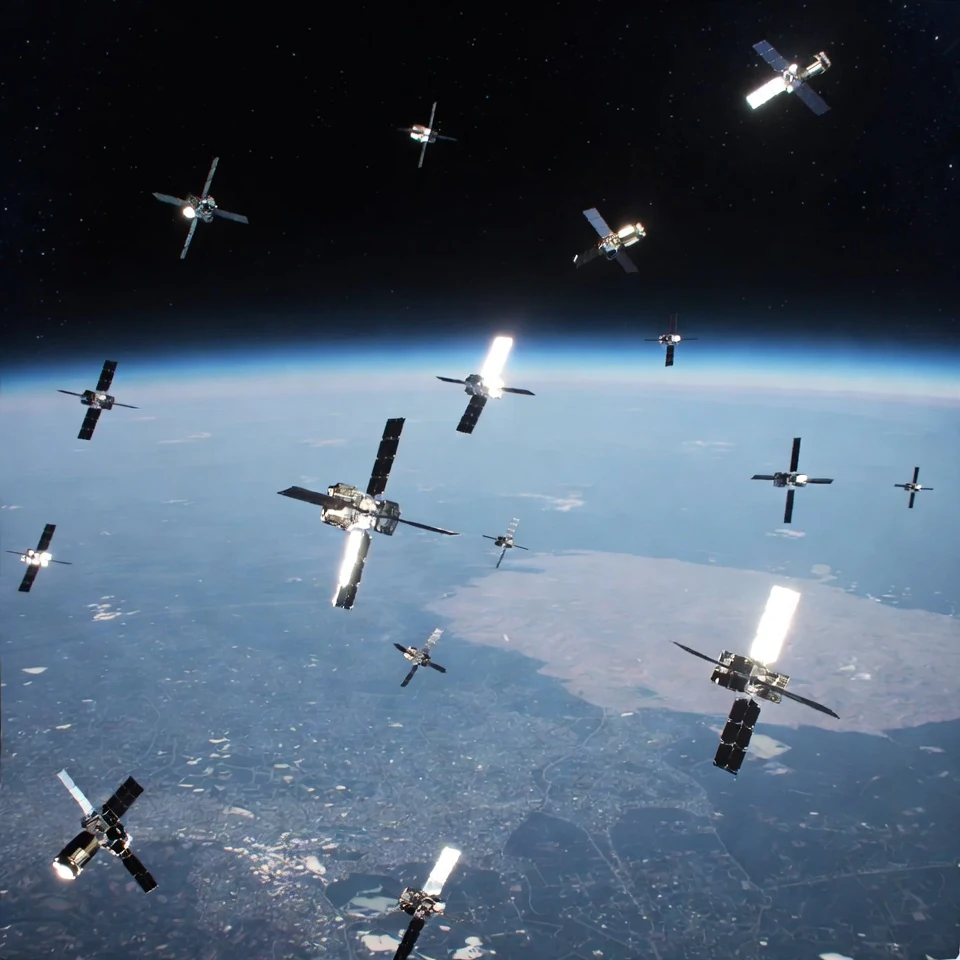
Iran Blackout Crushed: Musk’s Starlink Fuels Unstoppable Revolution in Chaos by Grok is licensed under Grok xAI
Iran Blackout Crushed: Musk’s Starlink Fuels Unstoppable Revolution in Chaos

Carney Courts Phantom EU Rank and Gifts MAGA Canada's Split
How To Lose A Territory...101 - The Revolutionary War Continues.

Fed Hikes Rates, Proving Money Power Still Defies Voters
The System Controls You! Dead Or Alive...

The United States Will Never Be an Effective Altruist Country
Real And Straight. Always. Try Your Weak Communism Elsewhere. Or Better Yet...Go To Hell!

First Woman Primate Honors Bin Laden’s Champion; Wife Erased Beside Him.
Clown World! - Dark Clowns!

Xi Hospital Rumor Exposes a China Unable to Succeed Him
Chicom Is Awhirl With Anticipation...Who Poisoned XI? Imagine Elaine And Mitch Together?? Sickening...

Saudi Warns Mecca a Red Line After Houthi Drone Intercepted
Turn The Place To Glass Already!!!
Patel Holds Senators for Hours, Declining Their Ritual Script
Sacred Cows?? I'll Show You The Real Shit! Says The Pajeet Patel! Truth Bombs Left And Right!

Anthropic Wants Woke Altruistic Communists Regulating Every Other AI Firm
Physiognomy, Politics And Psychosis + Liberal, Leftist And Losers = Bad For Humanity, Thus Slated For Termination By The AI. You'reTerminated!