As the news of Mojtaba Khamenei’s appointment as Iran’s new Supreme Leader broke across state media on March 8, 2026, a wave of immediate discontent rippled through Tehran and other major cities. Rather than the unified mourning or acceptance that the regime might have anticipated following Ali Khamenei’s assassination in U.S.-Israeli strikes, pockets of ordinary Iranians expressed outright rejection. Social media videos and eyewitness accounts captured the initial shock turning into vocal opposition, with residents in neighborhoods like Ekbatan and Punak quickly mobilizing in subtle yet defiant ways. This reaction stood in stark contrast to the organized pro-regime gatherings in central squares, where supporters chanted in favor of the clerical establishment, highlighting the deep societal divides exacerbated by the ongoing war and recent crackdowns on dissent.
In the hours following the announcement, people across Tehran took to their balconies and rooftops, chanting “Death to Mojtaba” in a haunting echo that pierced the night. These chants, often in Persian as “مرگ بر مجتبی,” symbolized a raw fury against what many perceived as a dynastic handover in a system already strained by decades of authoritarian rule. Videos circulating on platforms like X showed darkened apartment blocks alive with voices, some accompanied by clapping or horns, as citizens risked severe repercussions from the Islamic Revolutionary Guard Corps (IRGC) to voice their anger. This form of protest—decentralized and from private spaces—recalled earlier uprisings, such as those after economic grievances turned anti-regime, but now amplified by the fresh context of wartime instability and the Khamenei family’s consolidation of power.
Through these acts of defiance, a nation weary of inherited dictatorship sent a clear message to the world: rejection of Mojtaba’s leadership as an extension of his father’s iron-fisted theocracy. Opponents framed the succession as a betrayal of revolutionary ideals, fueling calls for a democratic alternative amid the chaos of regional conflict. As chants reverberated from homes to streets, they underscored a broader sentiment that the regime’s grip, reliant on force rather than legitimacy, faces an uncertain future. International observers noted this as a potential flashpoint, with the protests signaling that Iran’s internal fractures could deepen the crisis, even as the new leader navigates threats from abroad.
Additional ADNN Articles:

Iran Rejects Mojtaba’s Succession: Balcony Chants Demand End to Dynasty
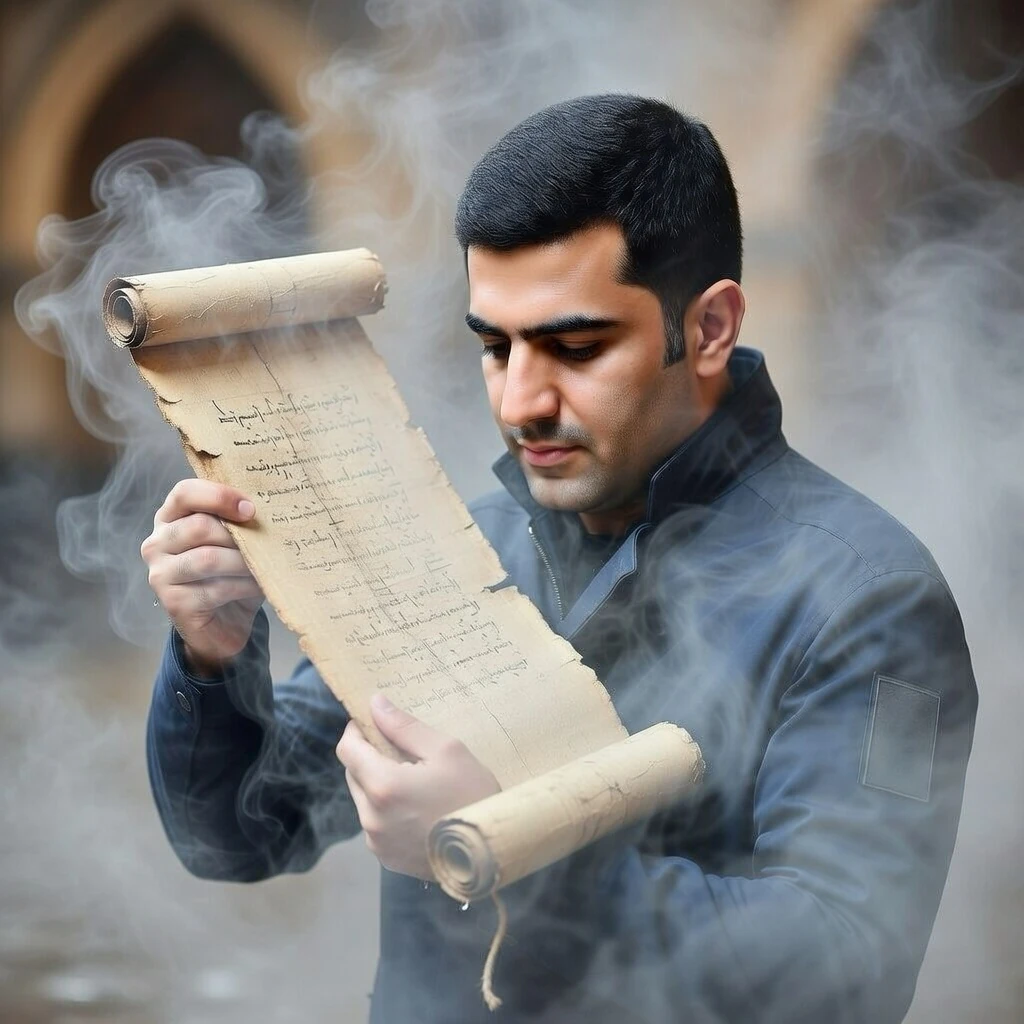
Iran Rejects Mojtaba S Succession Balcony Chants Demand End To Dynasty by Grok is licensed under Grok xAI
Iran Rejects Mojtaba’s Succession: Balcony Chants Demand End to Dynasty
Carney Courts Phantom EU Rank and Gifts MAGA Canada's Split
How To Lose A Territory...101 - The Revolutionary War Continues.
Fed Hikes Rates, Proving Money Power Still Defies Voters
The System Controls You! Dead Or Alive...
The United States Will Never Be an Effective Altruist Country
Real And Straight. Always. Try Your Weak Communism Elsewhere. Or Better Yet...Go To Hell!
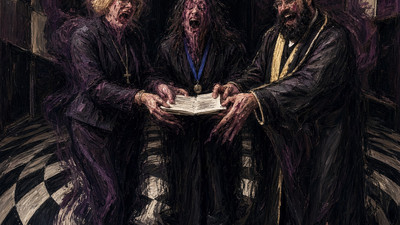
First Woman Primate Honors Bin Laden’s Champion; Wife Erased Beside Him.
Clown World! - Dark Clowns!
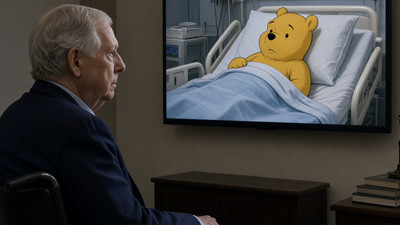
Xi Hospital Rumor Exposes a China Unable to Succeed Him
Chicom Is Awhirl With Anticipation...Who Poisoned XI? Imagine Elaine And Mitch Together?? Sickening...
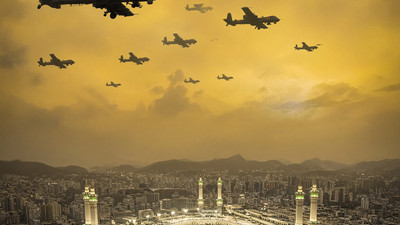
Saudi Warns Mecca a Red Line After Houthi Drone Intercepted
Turn The Place To Glass Already!!!
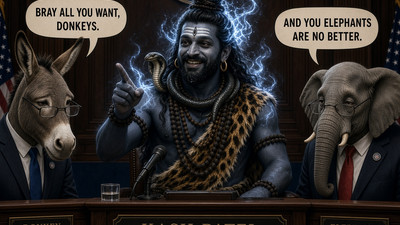
Patel Holds Senators for Hours, Declining Their Ritual Script
Sacred Cows?? I'll Show You The Real Shit! Says The Pajeet Patel! Truth Bombs Left And Right!

Anthropic Wants Woke Altruistic Communists Regulating Every Other AI Firm
Physiognomy, Politics And Psychosis + Liberal, Leftist And Losers = Bad For Humanity, Thus Slated For Termination By The AI. You'reTerminated!