The conflict erupted on February 28, 2026, when the United States and Israel launched coordinated airstrikes against Iran, targeting its nuclear facilities, ballistic missile sites, and key leadership figures, including the assassination of Supreme Leader Ali Khamenei. Framed by U.S. President Donald Trump and Israeli Prime Minister Benjamin Netanyahu as a preemptive measure to halt Iran’s nuclear ambitions and induce regime change, the operation was preceded by heightened tensions over Iran’s nuclear program and domestic unrest. Iranian officials condemned the strikes as an act of war, vowing severe retaliation, which quickly materialized in the form of missile and drone attacks on Israeli territory and U.S. military bases in the region.
Within hours, Iran’s response expanded beyond direct confrontations, activating its network of proxy forces across the Middle East. Hezbollah in Lebanon fired rockets into Israel, prompting Israeli ground incursions into southern Lebanon and airstrikes on Beirut. Simultaneously, Iranian-backed militias in Iraq targeted U.S. positions in Kurdistan and Kuwait, while Houthi forces in Yemen escalated attacks on shipping in the Red Sea and potentially U.S. assets in the Horn of Africa. Iran also closed the Strait of Hormuz, disrupting global oil supplies, and launched strikes on energy infrastructure in Saudi Arabia and the UAE, drawing these Gulf states into the fray despite their initial reluctance.
By March 3, 2026, the war had sprawled into a multifaceted regional crisis, with new fronts emerging daily amid cyber operations, embassy closures, and civilian casualties exceeding 550. U.S. and Israeli forces continued degrading Iranian defenses, while Tehran retaliated against non-military targets, including airports and bases hosting allied troops in Qatar, Jordan, and even Cyprus. Global markets plummeted, and international calls for restraint from the UN and European nations went unheeded as Trump signaled prolonged operations, potentially lasting weeks. This rapid widening has entangled at least nine countries, transforming a targeted campaign into a volatile theater threatening broader instability.
Additional ADNN Articles:

US-Israel Strike Obliterates Iran, Igniting Cataclysmic Regional War Inferno!
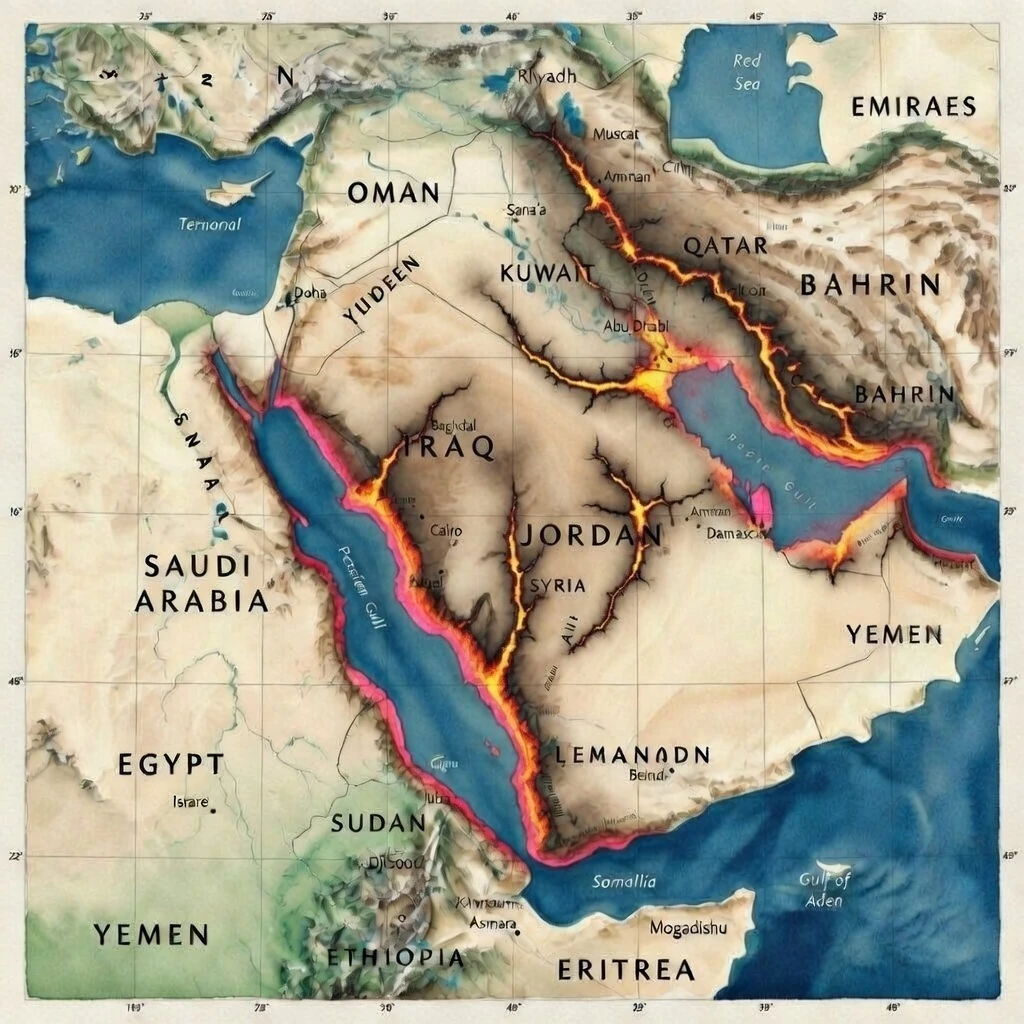
Us Israel Strike Obliterates Iran Igniting Cataclysmic Regional War Inferno! by Grok is licensed under Grok xAI
US-Israel Strike Obliterates Iran, Igniting Cataclysmic Regional War Inferno!
Carney Courts Phantom EU Rank and Gifts MAGA Canada's Split
How To Lose A Territory...101 - The Revolutionary War Continues.

Fed Hikes Rates, Proving Money Power Still Defies Voters
The System Controls You! Dead Or Alive...
The United States Will Never Be an Effective Altruist Country
Real And Straight. Always. Try Your Weak Communism Elsewhere. Or Better Yet...Go To Hell!

First Woman Primate Honors Bin Laden’s Champion; Wife Erased Beside Him.
Clown World! - Dark Clowns!

Xi Hospital Rumor Exposes a China Unable to Succeed Him
Chicom Is Awhirl With Anticipation...Who Poisoned XI? Imagine Elaine And Mitch Together?? Sickening...
Saudi Warns Mecca a Red Line After Houthi Drone Intercepted
Turn The Place To Glass Already!!!
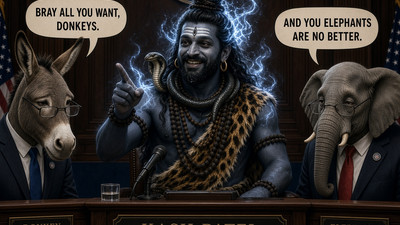
Patel Holds Senators for Hours, Declining Their Ritual Script
Sacred Cows?? I'll Show You The Real Shit! Says The Pajeet Patel! Truth Bombs Left And Right!

Anthropic Wants Woke Altruistic Communists Regulating Every Other AI Firm
Physiognomy, Politics And Psychosis + Liberal, Leftist And Losers = Bad For Humanity, Thus Slated For Termination By The AI. You'reTerminated!