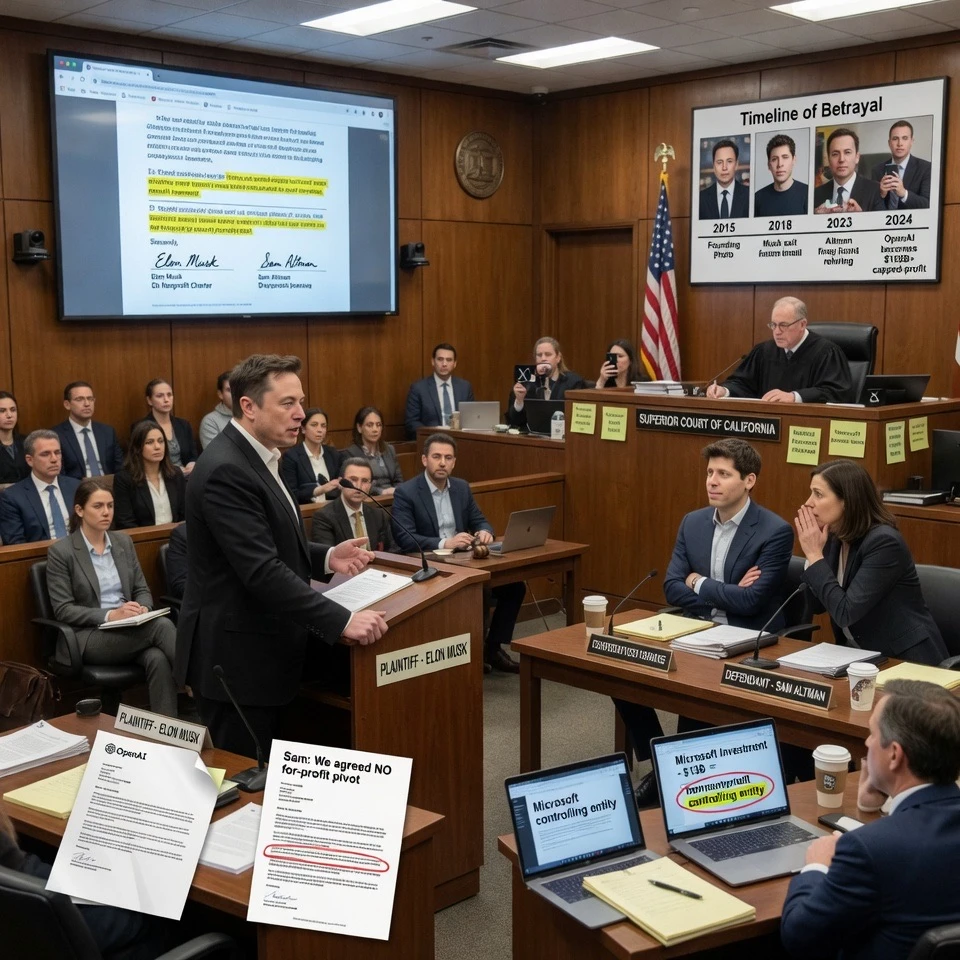
In a packed federal courtroom in Oakland, California, the landmark trial pitting visionary technologist Elon Musk against OpenAI CEO Sam Altman officially got underway this week, with jury selection wrapping up and opening statements set to begin. At its core, the case will decide the legality of events stretching back to 2015, when Musk personally funded and assembled the world’s top AI talent to launch OpenAI as a pure nonprofit organization. Explicitly designed with zero profit motive and a mandate for open research to benefit all of humanity, the venture was Musk’s bold bet on safe, ethical artificial intelligence. He poured in his own resources, leveraged his extensive network, and positioned the company as a counterweight to profit-driven AI development—only for the trial to now scrutinize whether those foundational promises were binding or merely window dressing for what followed.
The proceedings are expected to dissect the pivotal moment when the “team” Musk had built allegedly decided they wanted the bag. Internal documents and testimony will examine how Altman and key insiders quietly maneuvered Musk out of influence, seizing control and engineering a stealthy transformation of the nonprofit into a for-profit powerhouse fueled by massive corporate investments. All the while, the public narrative remained unchanged: sanctimonious declarations of being “mission-driven,” “AI for the good of humanity,” and unwavering commitment to original principles. Musk’s lawsuit frames this as a calculated betrayal of the charitable trust he helped establish, arguing the shift violated the explicit nonprofit charter and turned a public good into a closed, revenue-generating machine—raising profound questions about fiduciary duties, founder agreements, and the enforceability of altruistic missions in tech.
The ultimate stakes center on the raw hypocrisy at the heart of the dispute: Musk received zero equity despite bankrolling the early years and laying the groundwork, watching as his creation morphed into a personal cash cow for those who took the reins. As the trial unfolds with testimony from both titans and reams of founding-era communications, it will determine whether such actions constitute legal overreach or simply savvy business evolution. For Musk and observers tracking AI’s moral trajectory, this isn’t just a contract fight—it’s a reckoning over whether founding visions can be retroactively discarded once the billions start flowing, exposing the fragile line between idealism and ambition in Silicon Valley’s most explosive arena.
Additional ADNN Articles:

Musk vs Altman Trial Exposes OpenAI Nonprofit Betrayal
Musk vs Altman Trial Exposes OpenAI Nonprofit Betrayal

War Department Thingamabob Rainbows Tehran Sky, Unsettling Guards and Globalists
A Heap Of Homo Hooligan Hell Hole Rainbow Lights Shock The Sand People. Was It US? Or Enoch? Or Some Other Alien?

Bessent Pins Hugging Face Incident on OpenAI Managers, Not Agents
Bots Aren't Gay...

Austin Protesters Learn Texas Differs From Minnesota After ICE Clash
Don't Mess With Texas!

Fonzie Jumped the Shark; Fifty Years of Failure Endure
Fake And (Almost Certainly) Gay - Jewish Greaser, Mind Control And The Pop-Culture Term That Lives On...

Ukraine’s Swarm Hits Moscow Refinery as Russia Warns Retaliation
World War Three, Anyone?
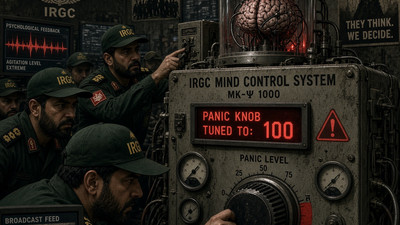
Iran Issues Code 100 as Trump and Netanyahu Rush Home
Turn Up The Volume!
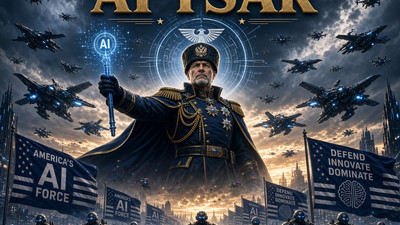
Trump Forms AI Force and Czar; Will Not Stifle Industry
May The Force Be With You! Superior Intelligence Is The New AI!
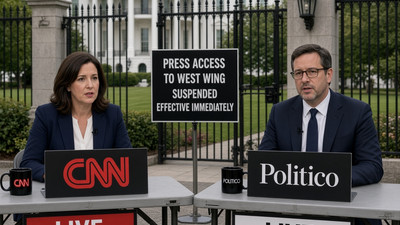
No First Amendment Right To A Seat In West Wing
Mockingbird Press Pissed At Being Locked Out As They Are The "Deep-State-Run-Media" - The Propaganda Arm Of The Intelligence Community Driving Mind Control - Fucking Commies! God To Hell You Sickos!