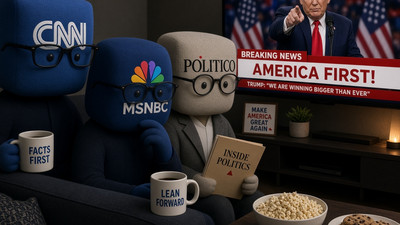
The move drew sharp criticism from liberal commentators and media figures, who accused the administration of undermining press freedom and transparency. Opponents argued that threatening lawsuits over editorial decisions represents an authoritarian overreach, with some liberals decrying it as the opposite of genuine openness in government communications. “This isn’t transparency,” echoed across social media and opinion pieces, portraying Leavitt’s warning as a tactic to intimidate journalists rather than foster honest reporting. Critics pointed to past instances where Trump has clashed with networks over perceived biases, suggesting this episode signals a broader crackdown on unfavorable coverage during his second term.
Proponents of the administration’s approach contend that such measures are essential because liberal-leaning fake news media outlets rely on selective editing to advance their propaganda, twisting narratives to fit ideological agendas. By insisting on full, unedited broadcasts, the White House aims to let reality speak for itself, exposing how contextual omissions make progressive worldviews appear foolish when viewed in totality. This incident not only reinforces Trump’s long-held distrust of mainstream media but also raises questions about the ethics of editing in journalism, potentially reshaping how interviews with high-profile figures are handled moving forward.
Additional ADNN Articles:
- Brennan Faces DOJ Prosecution as House Judiciary Exposes Obama’s Russia Hoax Conspiracy Against Trump
- Trump Pardons CIA-Backed Narco-President: Biggest Sting in History Begins
- Trump Declares Cristiano Ronaldo the Greatest Soccer Player of All Time in Oval Office Ceremony: No More Debate, Case Closed
- Charlie Kirk Vigil at Kennedy Center: Overflow Crowd Honors Fallen Leader with Love and Resilience