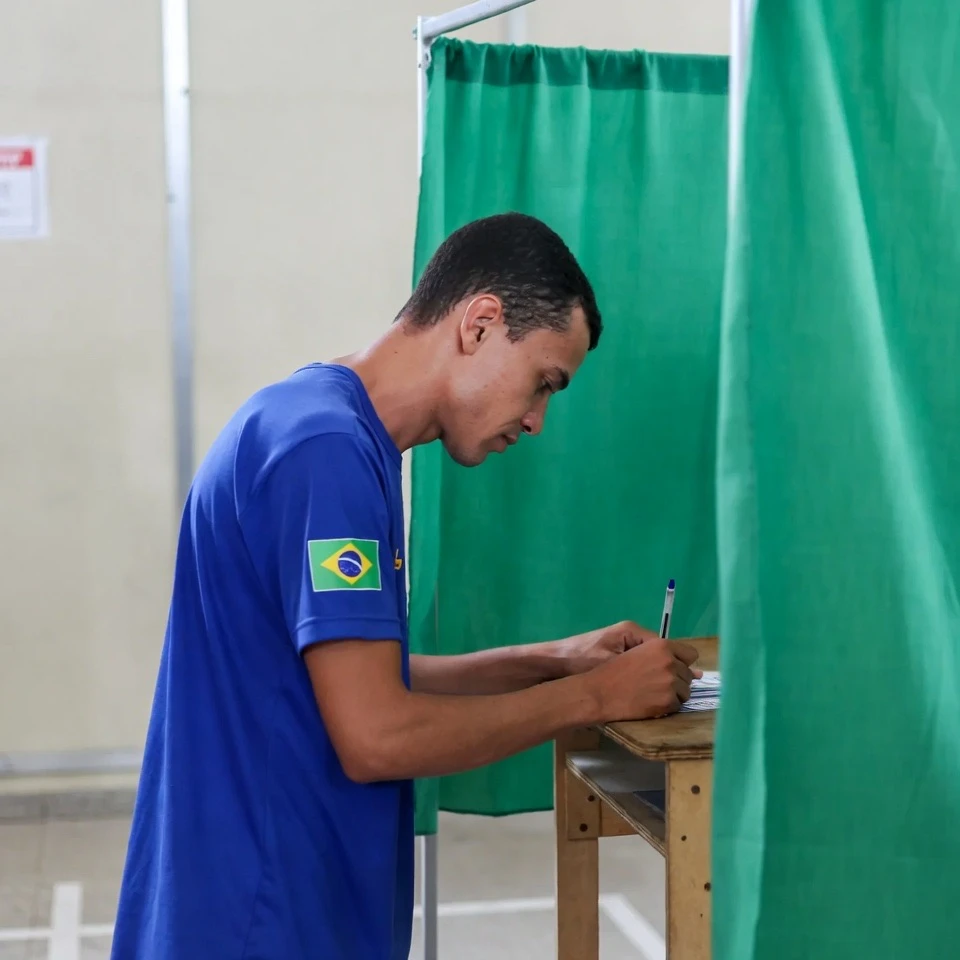
What just unfolded in Brazil on Sunday was not the ordinary friction of a close election but a spectacle that would have made the old machine politicians blush. With the polls set to close at five in the afternoon, Luiz Inácio Lula da Silva’s campaign petitioned for two extra hours, citing shortfalls in public transport. The request landed before Cristiano Zanin—the very lawyer who had represented Lula in the Car Wash prosecutions, whom Lula himself appointed to the Supreme Federal Court in 2023. Zanin ordered a nationwide extension until seven, issued at the moment the machines were supposed to stop. The Superior Electoral Court paused the tally while the extra window ran. Both campaigns had asked for relief in scattered localities, yet the decisive stroke came from a justice whose professional past is inseparable from the candidate who benefited.
The arithmetic that followed defied ordinary expectations of sequential counting. Early returns, as they often do in Brazil, favored the regions that report first and briefly placed Flávio Bolsonaro ahead or near parity around the halfway mark. Then, within a narrow interval after the extension, the balance inverted. By the time more than eighty percent of the ballots were in, Lula had pulled ahead by roughly four million votes and finished with 51.8 percent to Bolsonaro’s 48.2 percent—the first reversal of a first-round deficit in a presidential runoff since Brazil restored direct elections in 1989. Turnout rose, especially in the Northeast, where Lula’s base is densest; the extra hours and the pause supplied the procedural space in which that rise registered. Whether the additional ballots were cast under ordinary conditions or under the shadow of a last-minute judicial rewrite is precisely the question the numbers themselves cannot settle.
Markets delivered their own verdict before the local exchange even opened. Investors who had priced a Bolsonaro victory—and the prospect of spending restraint and closer alignment with Washington—reversed course overnight. Exchange-traded funds tracking Brazilian equities fell on the order of fifteen to twenty percent in Asian hours, and futures on the real dropped sharply. The expected loss in market capitalization runs into the hundreds of billions of dollars once São Paulo opens; the real’s retreat already approaches the double-digit range in the offshore market. This is not abstract volatility. It is the instantaneous judgment of capital that the institutional arrangements which produced the result are no longer reliable signals of future policy. When the referee is the candidate’s former counsel and the scoreboard moves after the clock has been stopped, the spectacle ceases to look like democratic contention and begins to look like the managed succession of a ruling party.
Additional ADNN Articles:
Lula Cries As 50% Tariffs Kick In As Punishment For Election Fraud
USAID Defunded: 7 “Far-Right” Latin Wins Expose Aid Myth
Russians Celebrate Victory From The Last War Faught In The Ukraine
RIO RAID BLOODBATH: Secret Agent Trap + GTA Carnage = 132 Dead, Bodies Lined for “Come to Brazil” Meme Apocalypse

Lula’s Former Lawyer Extends Voting Hours as Count Suddenly Flips
Lula’s Former Lawyer Extends Voting Hours as Count Suddenly Flips
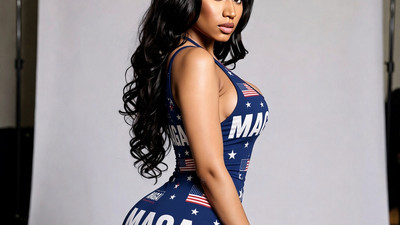
Trump Notes Husted Build Then Praises Minaj At Michigan Rally
Global Nigger Communism Is Alive And Well In Michigan! But She's Our Nigger...For Now!

Gates Predicts Twenty Years of Survival Chaos Before Robot Plenty
Learn To Code...Just Kidding. Loosh Freaks Are Thrilled! Sane People Will Live Off The Land...That's The Only Answer.

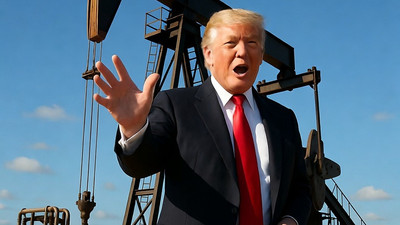
Trump Dismisses Gas Price Critics: America Profits, Dollar Debased Bright Spot
Drill Baby Drill! Pump Pump! $$$! Who Cares...No One Important? Or Is This All A Game?
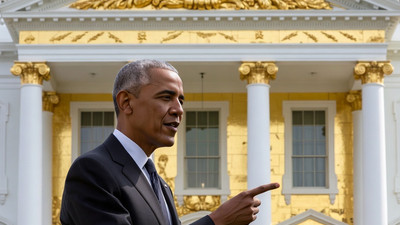
Obama Roasts Gold White House; Trump Answers with Endorsement Failures
Nigger Rich! O'Bummer is Jealous! Obviously!

Daily Ashwagandha Cuts Cortisol 28 Percent in Sixty Days
Mind, Body, And Soul. Who Is Truly Happy?
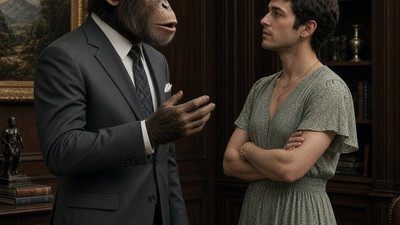
Byron Donalds Calls Man Sir Twice And Meltdown Erupts Instantly
Chimping Out And Mental Illness = Funny Combination!