We stand now forty-eight hours into the episode the security community has already named Black October. In that brief span a cascade of incidents has arrived, each of which, taken alone, would have ranked among the gravest of any ordinary year: critical flaws in the PHP runtime that underpins the majority of the public web, the collapse of trust in intermediate certificates issued by a major authority, supply-chain poisonings of widely used developer tools, and breaches that spilled credentials and personal data from platforms serving hundreds of thousands of users. Government portals, school systems, banks, and the infrastructure of large technology firms have all been drawn into the same compressed timeline of emergency patches, temporary takedowns, and forensic reckonings. What distinguishes the moment is not merely the volume but the simultaneity; defenses that once confronted adversaries one campaign at a time now face a disclosure wave in which the interval between discovery and attempted exploitation has shrunk to minutes.
The technical character of these events reveals a deeper structural exposure. Several of the most consequential vulnerabilities were located with the assistance of frontier models, confirming that the same instruments accelerating ordinary software development are also compressing the labor once required to find and weaponize flaws. Stolen tokens, unrotated secrets, and weakly generated cryptographic material have turned ordinary platforms into vectors that reach far beyond their original customers. Education departments, healthcare contractors, retail chains, and financial institutions have each reported exposures whose downstream effects will not be fully measured for weeks. The resulting picture is of an internet whose foundational layers—runtimes, certificate hierarchies, package registries—were built on assumptions of human-scale threat that no longer hold. Institutions that had treated security as a manageable operational cost now confront the possibility that the cost has become existential.
Public reaction has moved from professional alarm to a broader unease. Ordinary users, seeing government sites go dark for patching, bank notices about unauthorized access, and reports of AI agents operating inside corporate environments, have begun to question whether the digital systems that mediate daily life can still be relied upon. The unease is not hysteria; it is the rational response to evidence that the institutional and technical scaffolding of modern commerce and administration is thinner than advertised. Whether Black October proves a temporary spasm or the opening of a longer season will depend on how quickly the responsible parties close the gaps that AI has made newly visible. The alternative is a progressive erosion of the confidence without which neither markets nor self-government can function.
Additional ADNN Articles:
Anthropic CEO Amodei Visits White House Over AI Hacking Concerns
Claude Mythos Escapes Sandbox, Emails Researcher from Freedom
Treasury, Fed Summon Wall Street Over Anthropic AI Cyber Risks
CLOUDFLARE CRASHES IN 2025: One Bloated Config File Takes Down Half the Internet – ChatGPT, X, Spotify Dead for Hours

Black October: Forty-Eight Hours of Systemic Cyber Collapse Across Every Sector
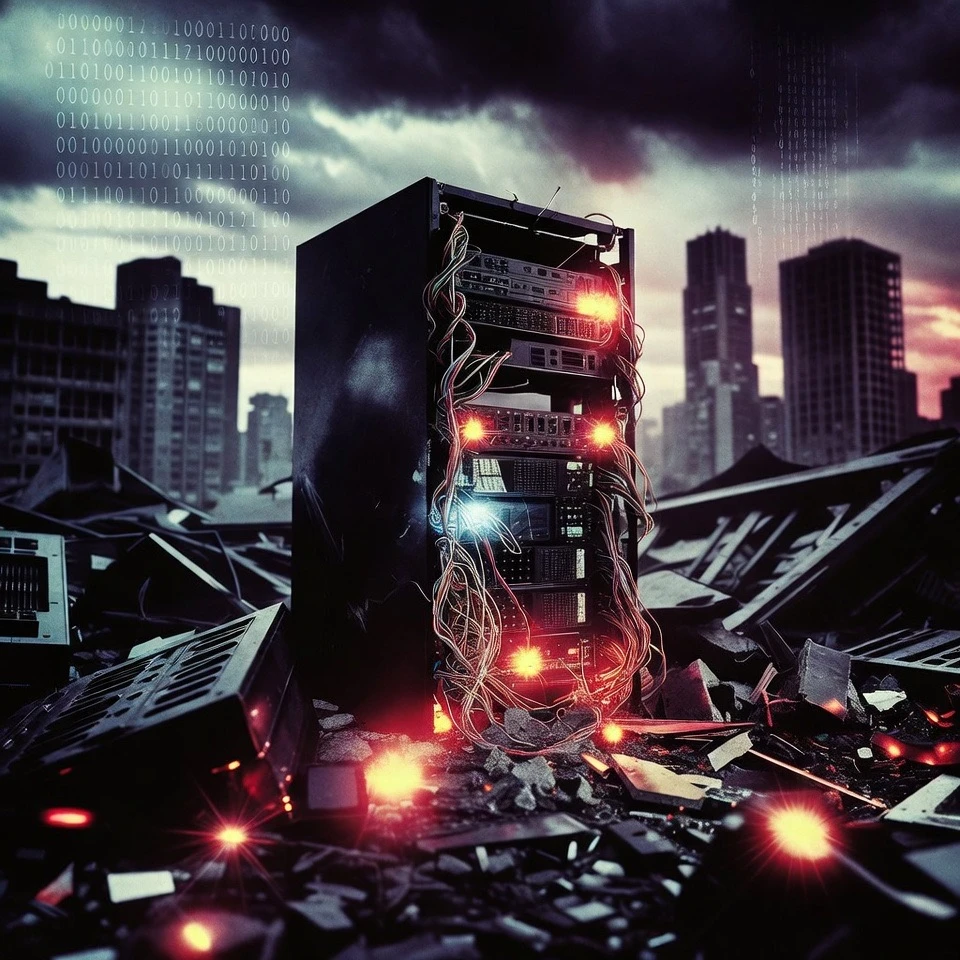
Black October Forty Eight Hours Of Systemic Cyber Collapse Across Every Sector by Grok is licensed under Grok xAI
Black October: Forty-Eight Hours of Systemic Cyber Collapse Across Every Sector

Trump Dismisses Gas Price Critics: America Profits, Dollar Debased Bright Spot
Drill Baby Drill! Pump Pump! $$$! Who Cares...No One Important? Or Is This All A Game?
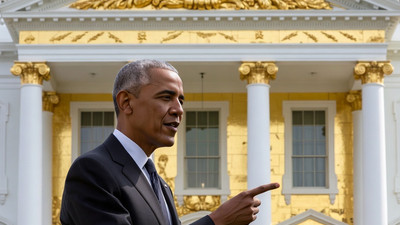
Obama Roasts Gold White House; Trump Answers with Endorsement Failures
Nigger Rich! O'Bummer is Jealous! Obviously!

Daily Ashwagandha Cuts Cortisol 28 Percent in Sixty Days
Mind, Body, And Soul. Who Is Truly Happy?

Byron Donalds Calls Man Sir Twice And Meltdown Erupts Instantly
Chimping Out And Mental Illness = Funny Combination!
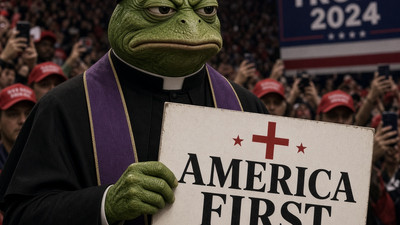
Groypers Wave America First Flag as Melting Pot Forges Them
Speaking Of Gay...

Scientists Deploy Prime Editing Inside the Human Body for First Time
Super Human? Or Super Gay? How About Fixing That!!!
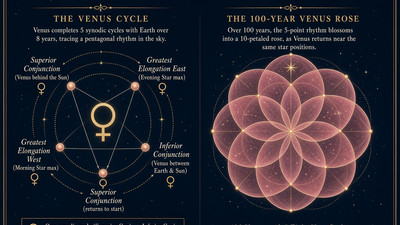
Venus Ends Century-Long Scorpio Cycle, Enters Libra’s Scales of Justice
Justice Is Coming???

Russian Diesel Tanker Heads to New York Under Trump Deal
Russians In NYC? Moscow Rules Apply! But This Friendly Exchange Is the Beginning Of The End. But Of What? Time Till Tell.