The film “Melania”, a lavish Amazon MGM-backed documentary directed by Brett Ratner, arrives as a masterclass in enigma wrapped in high-gloss propaganda. Chronicling just the 20 days leading up to Donald Trump’s 2025 inauguration, it presents the First Lady as an untouchable vision of poised elegance—striding through marble halls in designer outfits, orchestrating events with quiet authority, and delivering carefully scripted lines about immigrant journeys and national unity. Critics have been left disoriented: what was meant to humanize her instead amplifies her inscrutability. The camera lingers on surfaces—perfect hair, flawless makeup, luxurious fabrics—while revealing almost nothing beneath. It’s less a biography than a prolonged advertisement for an unreachable ideal, leaving reviewers grasping for meaning in the void she occupies.
Movie critics, accustomed to probing character arcs or hidden truths, find themselves thoroughly discombobulated by this exercise in controlled opacity. Outlets like The Guardian label it “pure, endless hell” and a “gilded trash” remake of austere cinema, calling out its emotional disconnect and lack of any redeeming insight. USA Today notes the flattering yet hollow portrait, while others decry it as blatant propaganda—cynical, vain, and unrevealing. The film’s refusal to engage with controversy, discomfort, or even basic introspection baffles those expecting documentary rigor; instead, it delivers a sanitized spectacle that frustrates analysis. What emerges is not understanding but exasperation: an enigma so meticulously maintained that it short-circuits critical faculties, turning reviews into bewildered laments over wasted potential.
For fashionistas, the experience borders on emotional devastation. The documentary parades an endless array of couture—elegant coats, sculptural gowns, and iconic hats—shot with loving, almost reverent close-ups that highlight every seam and texture. Yet this abundance feels cruelly superficial: Melania’s wardrobe is fetishized as the core of her identity, but without context, vulnerability, or personal commentary beyond platitudes. What could have been a celebration of style becomes a tear-jerking reminder of untouchable glamour in service of image control. Enthusiasts who adore fashion as self-expression weep at the missed opportunity; here, clothes are armor, not revelation, leaving viewers mourning the depth that might have elevated the visuals from mere eye candy to something profound. In the end, “Melania” discombobulates critics and breaks fashion hearts alike, proving that enigma, when weaponized as propaganda, can be both mesmerizing and profoundly empty.

Melania Doc: Enigma Propaganda Baffles Critics, Breaks Fashion Hearts
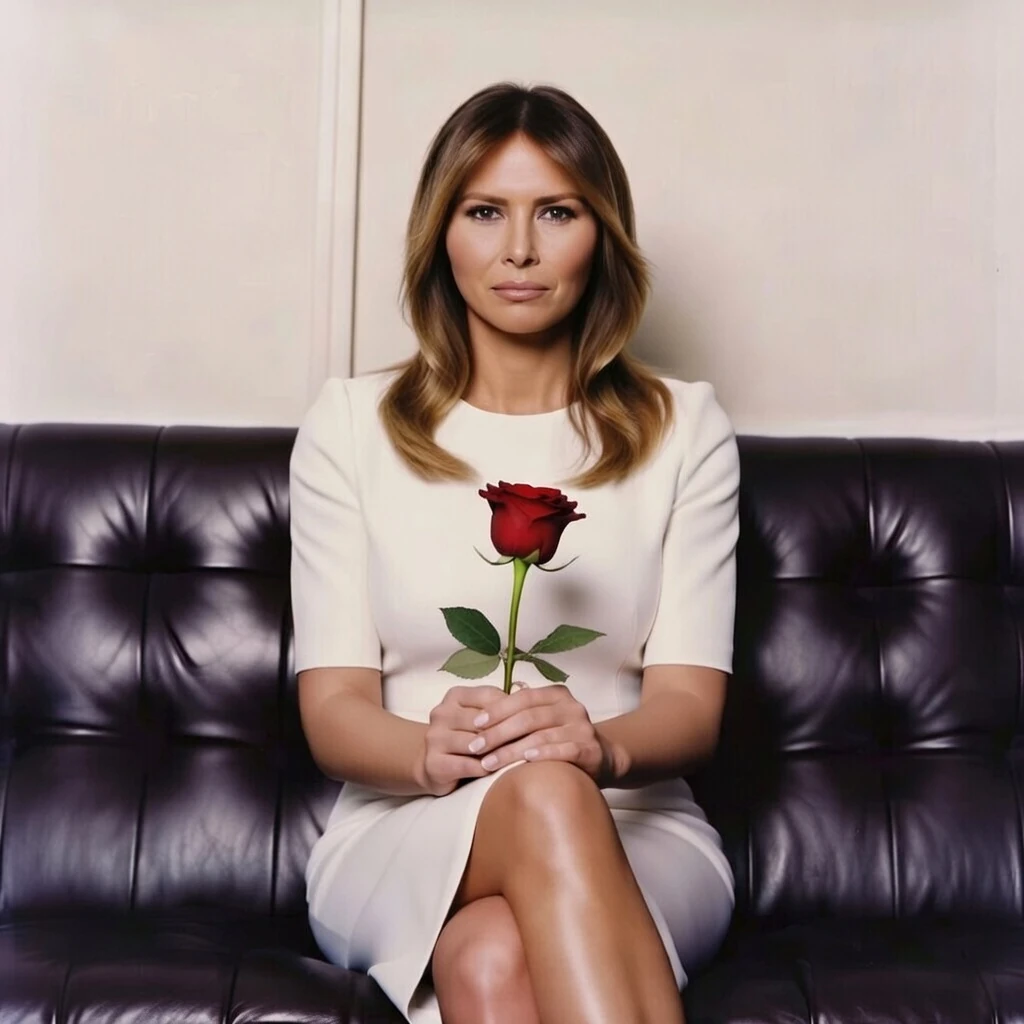
Melania Doc: Enigma Propaganda Baffles Critics, Breaks Fashion Hearts by Grok is licensed under Grok xAI
Melania Doc: Enigma Propaganda Baffles Critics, Breaks Fashion Hearts
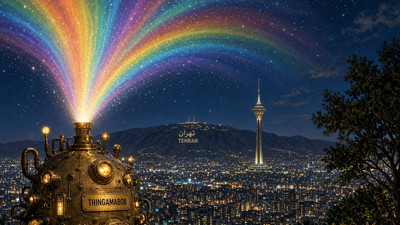
War Department Thingamabob Rainbows Tehran Sky, Unsettling Guards and Globalists
A Heap Of Homo Hooligan Hell Hole Rainbow Lights Shock The Sand People. Was It US? Or Enoch? Or Some Other Alien?

Bessent Pins Hugging Face Incident on OpenAI Managers, Not Agents
Bots Aren't Gay...

Austin Protesters Learn Texas Differs From Minnesota After ICE Clash
Don't Mess With Texas!

Fonzie Jumped the Shark; Fifty Years of Failure Endure
Fake And (Almost Certainly) Gay - Jewish Greaser, Mind Control And The Pop-Culture Term That Lives On...

Ukraine’s Swarm Hits Moscow Refinery as Russia Warns Retaliation
World War Three, Anyone?
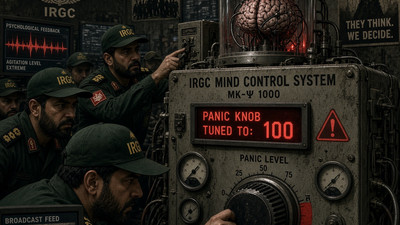
Iran Issues Code 100 as Trump and Netanyahu Rush Home
Turn Up The Volume!

Trump Forms AI Force and Czar; Will Not Stifle Industry
May The Force Be With You! Superior Intelligence Is The New AI!
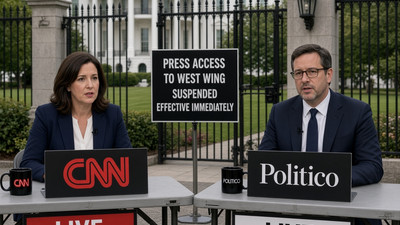
No First Amendment Right To A Seat In West Wing
Mockingbird Press Pissed At Being Locked Out As They Are The "Deep-State-Run-Media" - The Propaganda Arm Of The Intelligence Community Driving Mind Control - Fucking Commies! God To Hell You Sickos!