While global attention fixates on escalating tensions in the Middle East, particularly the Iranian conflict and disruptions in the Strait of Hormuz, domestic law enforcement delivered a significant blow to organized crime within California. As international headlines highlight naval confrontations, shipping blockades, and the strategic chokepoint’s impact on global energy markets, federal authorities quietly executed a major operation targeting the Mexican Mafia. This prison-born syndicate exerts influence over Hispanic street gangs across Southern California, orchestrating violence and illicit enterprises from behind bars and on the streets. The contrast underscores how critical security matters unfold simultaneously on multiple fronts, often with international stories overshadowing persistent threats closer to home.
In a coordinated crackdown dubbed “Operation Gangsta’s Paradise,” authorities arrested dozens of Mexican Mafia members and associates through pre-dawn raids across Southern California, primarily in Orange County. Federal agents, working with local partners, served warrants at around 30 locations, resulting in the indictment of approximately 43 individuals. Charges span a wide array of serious crimes, including murder, kidnapping, extortion, racketeering, illegal gambling operations, and large-scale drug trafficking involving fentanyl, methamphetamine, heroin, and cocaine. Many of those charged were already in custody on prior offenses, highlighting the gang’s ability to direct operations even from prison, while others were taken into custody during the early-morning sweeps. Seizures included firearms, drugs, and cash, aimed at dismantling a violent criminal enterprise that has long plagued communities.
This action serves as a reminder that while geopolitical flashpoints like the Strait of Hormuz command the world’s focus—with risks to energy supplies and international stability—everyday battles against entrenched domestic criminal networks continue unabated. The Mexican Mafia’s reach extends far beyond prison walls, fueling street-level violence, addiction crises through drug distribution, and extortion rackets that prey on vulnerable populations. By disrupting this organization, prosecutors hope to weaken its control over affiliated gangs and reduce associated crimes in the region. In an era of 24-hour global news cycles, such operations illustrate the importance of sustained vigilance on multiple threats, ensuring that internal security challenges do not fade into the background amid distant conflicts.
Additional ADNN Articles:

Mexican Mafia Dozens Arrested in California Amid Iranian Conflict Focus

Mexican Mafia Dozens Arrested In California Amid Iranian Conflict Focus by Grok is licensed under Grok xAI
Mexican Mafia Dozens Arrested in California Amid Iranian Conflict Focus

War Department Thingamabob Rainbows Tehran Sky, Unsettling Guards and Globalists
A Heap Of Homo Hooligan Hell Hole Rainbow Lights Shock The Sand People. Was It US? Or Enoch? Or Some Other Alien?

Bessent Pins Hugging Face Incident on OpenAI Managers, Not Agents
Bots Aren't Gay...

Austin Protesters Learn Texas Differs From Minnesota After ICE Clash
Don't Mess With Texas!

Fonzie Jumped the Shark; Fifty Years of Failure Endure
Fake And (Almost Certainly) Gay - Jewish Greaser, Mind Control And The Pop-Culture Term That Lives On...

Ukraine’s Swarm Hits Moscow Refinery as Russia Warns Retaliation
World War Three, Anyone?

Iran Issues Code 100 as Trump and Netanyahu Rush Home
Turn Up The Volume!

Trump Forms AI Force and Czar; Will Not Stifle Industry
May The Force Be With You! Superior Intelligence Is The New AI!
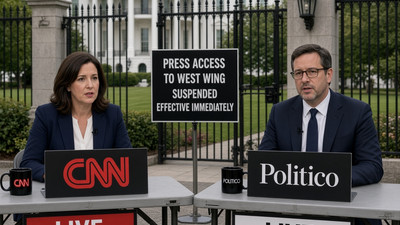
No First Amendment Right To A Seat In West Wing
Mockingbird Press Pissed At Being Locked Out As They Are The "Deep-State-Run-Media" - The Propaganda Arm Of The Intelligence Community Driving Mind Control - Fucking Commies! God To Hell You Sickos!