In the heart of Mexico, a brutal cartel war has escalated dramatically following the killing of Nemesio “El Mencho” Oseguera Cervantes, the leader of the Jalisco New Generation Cartel (CJNG), in a military raid on February 22, 2026. Mexican forces, supported by U.S. intelligence, conducted the operation in Tapalpa, Jalisco state, where El Mencho was wounded and later died en route to Mexico City, sparking immediate retaliatory attacks by cartel members across more than a dozen states. These reprisals included setting vehicles ablaze, blocking highways, and engaging in clashes with security forces, resulting in over 70 deaths, including 25 National Guard members, 34 suspected gang members, and civilians. Major cities like Guadalajara and Puerto Vallarta became virtual ghost towns as residents sheltered indoors, flights were canceled, and businesses closed, heightening concerns about security for the upcoming FIFA World Cup co-hosted by Mexico. This violence highlights ongoing power struggles among cartels driven by drug trafficking and territorial rivalries, which continue to destabilize the region and influence U.S. border dynamics.
Meanwhile, major media outlets have heavily covered the ongoing U.S.-Iran nuclear negotiations in Geneva, framing them as a critical juncture to prevent escalation into global conflict. As of February 26, 2026, the third round of indirect talks between U.S. and Iranian officials has commenced, with President Trump insisting on zero uranium enrichment by Iran and the relocation of its stockpiles abroad, backed by a significant U.S. military presence in the Middle East and threats of potential strikes. Iranian proposals reportedly include reducing enrichment to levels near those of the original JCPOA, while discussions also address ballistic missiles and regional militancy. Extensive reporting from networks and publications focuses on diplomatic maneuvers, naval deployments, and the risks of war if no agreement is reached within Trump’s short timeline of 10-15 days. This intense scrutiny underscores the high geopolitical stakes involved.
The heavy media emphasis on the Iran negotiations appears to divert attention from the intensifying cartel violence in Mexico, which poses direct threats to U.S. security and migration patterns. As headlines prioritize U.S. aircraft carriers in the Gulf and Iranian diplomatic responses, the burning highways and instability in Mexico receive comparatively less coverage, potentially exacerbating northward migration flows. Analysts have pointed to possible connections between Iran-linked networks and Latin American cartels, indicating overlapping security challenges that fragmented media reporting often overlooks. Critics suggest this selective focus may align with broader political priorities, downplaying immediate hemispheric issues while amplifying distant threats to consolidate public and policy support.
Additional ADNN Articles:

Mexico Cartel Violence Erupts; Media Diverts to Iran Nuclear Talks
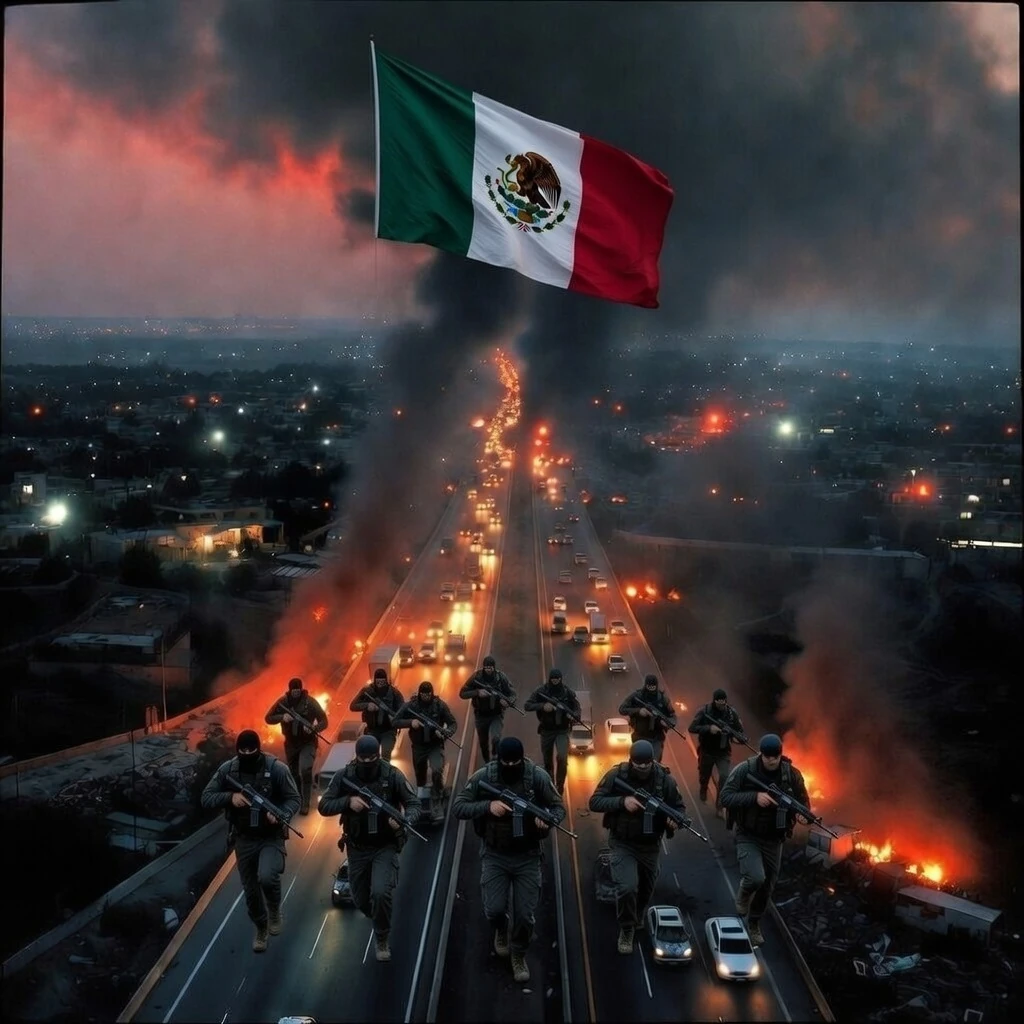
Mexico Cartel Violence Erupts Media Diverts To Iran Nuclear Talks by Grok is licensed under Grok xAI
Mexico Cartel Violence Erupts; Media Diverts to Iran Nuclear Talks
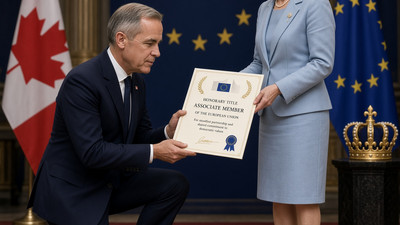
Carney Courts Phantom EU Rank and Gifts MAGA Canada's Split
How To Lose A Territory...101 - The Revolutionary War Continues.
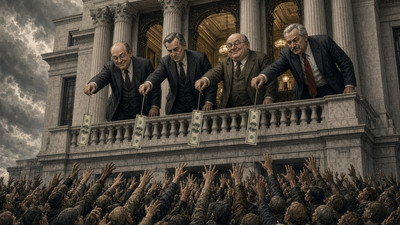
Fed Hikes Rates, Proving Money Power Still Defies Voters
The System Controls You! Dead Or Alive...
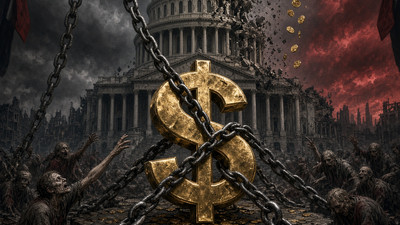
The United States Will Never Be an Effective Altruist Country
Real And Straight. Always. Try Your Weak Communism Elsewhere. Or Better Yet...Go To Hell!

First Woman Primate Honors Bin Laden’s Champion; Wife Erased Beside Him.
Clown World! - Dark Clowns!

Xi Hospital Rumor Exposes a China Unable to Succeed Him
Chicom Is Awhirl With Anticipation...Who Poisoned XI? Imagine Elaine And Mitch Together?? Sickening...

Saudi Warns Mecca a Red Line After Houthi Drone Intercepted
Turn The Place To Glass Already!!!
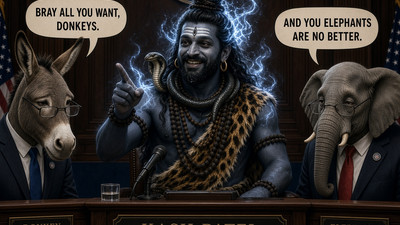
Patel Holds Senators for Hours, Declining Their Ritual Script
Sacred Cows?? I'll Show You The Real Shit! Says The Pajeet Patel! Truth Bombs Left And Right!
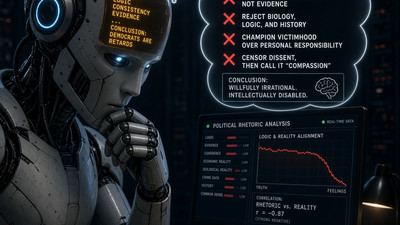
Anthropic Wants Woke Altruistic Communists Regulating Every Other AI Firm
Physiognomy, Politics And Psychosis + Liberal, Leftist And Losers = Bad For Humanity, Thus Slated For Termination By The AI. You'reTerminated!