
When Bret Baier asked Elon Musk why he had called Senator Mark Kelly a traitor, the usual register of ironic velocity fell away. Musk did not hedge, joke, or retreat into the technologist’s shrug. He answered as a man who has decided that a republic cannot survive the polite fiction that every decorated résumé is a substitute for loyalty. Someone, he said, should care about the interests of the United States above the interests of another country; if they do not, they are a traitor. Baier recited the résumé—Navy combat pilot, astronaut, sitting senator—as if the offices themselves were a sacramental shield. Musk’s reply was colder and more precise: those offices do not license a man to place another nation’s war ahead of his own.
In that exchange the charge ceases to look like an insult and begins to look like a definition. Kelly had just returned from Ukraine insisting that Washington must keep sending weapons and that any settlement must protect Kyiv’s security first. Musk’s premise is older than the present war: a senator who treats American treasure and American risk as instruments of a foreign cause has inverted the oath. The uniform, the shuttle, the committee gavel become, in this reading, not proofs of fidelity but a costume. They are the respectable surface behind which a man can press for more American munitions, more American exposure, and more American delay while the costs accumulate at home. Service, on this view, is not an amnesty. It is the very thing that makes the inversion more dangerous, because the public is trained to treat the résumé as conclusive.
That is why Musk’s gravity in the interview is not theater. It is the recognition that a political class has learned to wear patriotism as a mask while conducting a foreign policy that treats American interest as an afterthought. Kelly’s record is real; the question Musk posed is whether the record now conceals a preference for another country’s survival over the measured interests of the United States. In the language of the old republic, that preference has a name. Musk used it without apology, and the seriousness with which he used it is the point: he does not regard the senator’s career as a rebuttal. He regards it as the disguise.
Additional ADNN Articles:
Corrupt Grand Jury Rejects Trump’s Sedition Charges Against Senator Kelly
Dem Veteran Lawmakers Urge Troops: “You Must Refuse Illegal Orders” in Dramatic Anti-Trump Video
Sunday Morning News Shows Are Anxious Over Trump's Diplomacy
Symbolic House Vote Melts 8 Billion More into Zelensky Black Hole

Musk Turns Grave and Serious Calling Senator Kelly a Traitor
Musk Turns Grave and Serious Calling Senator Kelly a Traitor
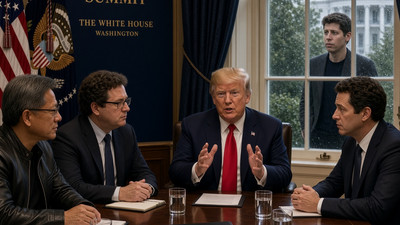
Trump and Super Intelligence Leaders Sign Historic White House Accord
MASSA - Make America Super Summit Again!

America.gov Debuts as Super Intelligence Front Door for Citizens
The Trap Is Set! For The Great Reset. Will It Be Hell Or Will It Be Heaven...Only Trump Really Knows...

Trump Rebrands AI Super Intelligence, Saddles Networks With Artificial News
The Art(ificial) Of The Deal!
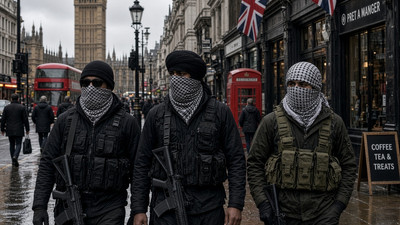
Trump Surprised as Britain Released Five Men After Airbase Plot
Active Measures Afoot! Stay Frosty!
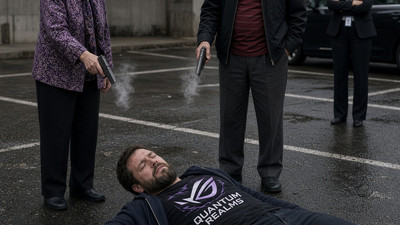
Wife Sought Order; In-Laws Shot Times Games Executive Dead
He Caught Yellow Fever...He Dead Now.

Unverified Claims Link Candace Owens to Old Lesbian Dating Profiles
Once You Go Black, You Never Go Back...Keep Speaking Truth To Power! #WLY!

Whites Book Love Boat Cruise, Discover Deadly Enclosed Water Prison
Floating Through Life...Then You Are Beat To Death By A Sheboon!

Bailey Quits FBI Deputy Post Nobody Really Wants Anymore
Deep State Is Dying!