President Donald Trump departs for Asia between November 16 and 19, first to Manila for the U.S.-ASEAN Special Summit and bilateral meetings, then to Shenzhen for the APEC leaders’ summit and talks with Xi Jinping and Vladimir Putin. Fresh from midterm setbacks that narrowed his domestic leverage, he carries an ambitious brief: lock in trade deals, advance Pax Silica supply-chain discipline on chips, AI, and critical minerals, and reassert American presence where Beijing has pressed hardest. The itinerary itself signals priority—brief but pointed engagement with Southeast Asian partners before the heavier lift in China.
In Manila he meets ASEAN leaders and the Quad partners, including Japan’s prime minister, on the margins of a summit already shadowed by South China Sea tensions and energy strains. The practical work centers on trade pacts, investment screening, and burden-sharing against Chinese coercion; the strategic effect is to stiffen Japan’s posture and integrate its growing defense capabilities into a wider Indo-Pacific deterrent. Empowering Tokyo’s military modernization and interoperability does not invent a new Japanese expeditionary force overnight, yet it does convert years of incremental Japanese rearmament into a concrete counterweight that Southeast Asian capitals can weigh against Beijing’s shadow. That is the American interest: allies who can carry more of the load rather than free-ride on distant U.S. power.
In Shenzhen the agenda shifts to the first trilateral meeting of Trump, Xi, and Putin, confirmed by Beijing, Moscow, and the White House and focused on nuclear non-proliferation, the Iran conflict, and trade truces rather than Ukraine. No grand redesign of the international order will be signed in a single session; New START has already lapsed, China remains unbound, and officials describe the talks as an entry point. Still, the mere fact of the three leaders sitting together, with bilateral follow-on between Trump and Xi on AI hotlines, rare-earth extensions, and export controls, forces a recalibration: great-power bargains conducted face-to-face, outside the older multilateral rituals that diluted American leverage. Whether that produces durable restraint or merely clearer competition, the sequence from Manila to Shenzhen places the United States at the center of both the regional balance and the nuclear conversation that now includes all three major arsenals.
Additional ADNN Articles:
Trump Greets Xi at Andrews, Superpowers Set Century’s Board
Trump Bestrides Asia as Global Colossus, Cementing Historic Legacy in High-Stakes Summit Tour
Trump, Takaichi Reaffirm Ironclad Alliance as Japan Remilitarizes Against China
Trump Leads Star CEOs to China for Landmark Xi Trade Deals

Trump Asia Tour Unleashes Japan, Reorients Order with Xi Putin
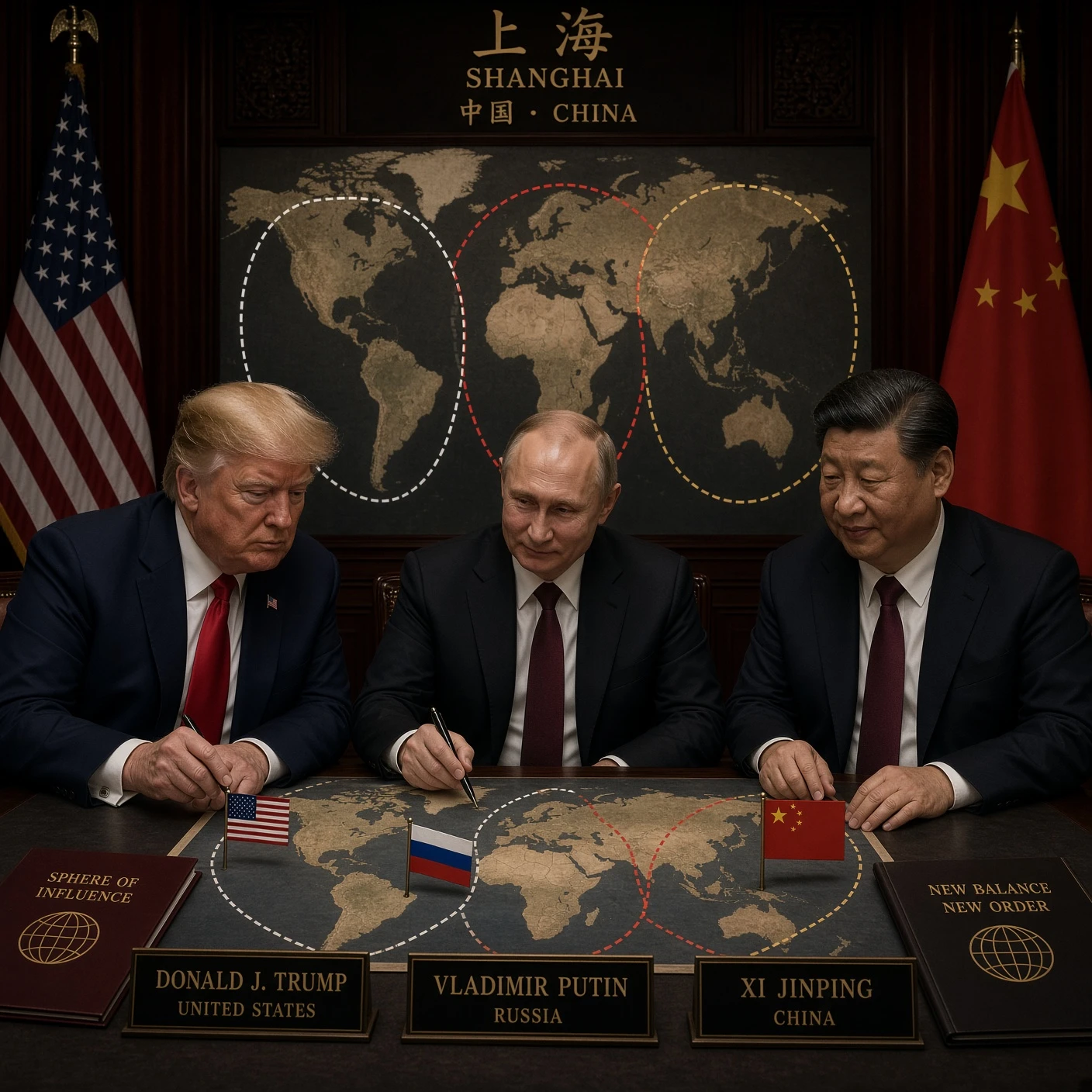
Trump Asia Tour Unleashes Japan Reorients Order With Xi Putin by Grok is licensed under Grok xAI
|
Trump Asia Tour Unleashes Japan, Reorients Order with Xi Putin

Heritage American Rejects Lectures from Illegal Immigrants Who Hate Nation
Racism Is Real. Embrace It...Don't Hate It. Heritage Is Also Real. Love It Or Leave It!
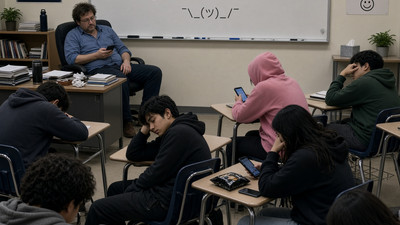
AI Ends the Classroom Charade: No One Reads or Grades.
The End Of Education...The Beginning Of The Golden Age!
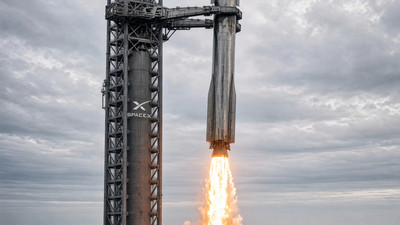
SpaceX Catches Rocket, Reuse Slashes Costs, Opens Space Frontier
Flat Earth Is Ours! So Are The Stars...
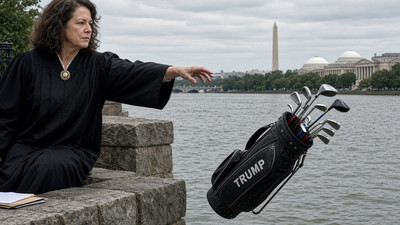
Trump’s Golf Tip Meets Judge’s Block: This Will Not Stand
Dropped In The Drink! Potomac Put Put...

Spanberger’s Husband at L3Harris as Firm’s Network Grounds Nation
Spy War! CIA And Others Working Against America! Yet Another Corrupt Couple?


Maroon Seizes 125th Game Glory With Fourth-Quarter Pick-Six Triumph
EHS...The Baddest Team From East To West! Go High School! White Loves You!
Aging Air Traffic Systems Cause Rare Nationwide FAA Ground Stop
Interesting Timing...If You Believe That...Then We Have A Bridge To Sell You.