The Federal Aviation Administration ordered a nationwide ground stop on the afternoon of November 13, 2026, after radio frequency and radar inconsistencies struck multiple Air Route Traffic Control Centers and terminal facilities. Departures halted across the country for roughly four and a half hours while thousands of aircraft already airborne continued to their destinations under controlled conditions. Transportation Secretary Sean Duffy attributed the failure to overloaded legacy switches and routers in an aging telecommunications network that began supplying inconsistent data; Homeland Security officials stated there was no indication of a cyber or other nefarious attack. The stop was lifted by 8:15 p.m. Eastern time after system checks, yet the resulting cascade of cancellations and delays—thousands of flights, more than a million passengers affected—continued into the weekend as crews, aircraft, and gate resources remained out of position.
Such disruptions expose the structural fragility of the nation’s air traffic control architecture, much of which still rests on copper-era equipment and overloaded routers that successive administrations have only partially modernized. Billions have been appropriated for fiber upgrades and new systems, yet planning gaps and incrementalism have left critical nodes vulnerable to precisely the kind of cascading failure witnessed on Friday the 13th. In an era when private aviation, multiple passports, and ready access to foreign jurisdictions are ordinary features of elite mobility, any prolonged interruption of the public airspace necessarily freezes movement for the general traveling public and for high-net-worth individuals alike. The official account, however, remains one of technical overload rather than deliberate operational design.
Continuity-of-government doctrine does contemplate temporary denial of certain transportation assets during periods of acute national risk, yet no public evidence links this particular ground stop to sealed indictments, flight-risk targets, or judicial windows. The event stands instead as a stark reminder that institutional decay in core infrastructure can produce effects indistinguishable, for a few hours, from deliberate interdiction—and that the distinction between accident and intention is settled by evidence, not by the scale of the inconvenience. Until the legacy network is fully replaced, further outages remain a predictable cost of deferred modernization rather than a signal of coordinated asset denial.
Additional ADNN Articles:
FAA Slashes Flights 10% in Shutdown: Safety Claim or Political Punishment?
Why Do Controllers Who Guard Our Skies Call Out Sick?
Mysterious “Technical Issue” Grounds American Airlines Fleet
NYC Airports in Chaos: Deadly Crash, Tower Evacuation, Total Mess

Aging Air Traffic Systems Cause Rare Nationwide FAA Ground Stop
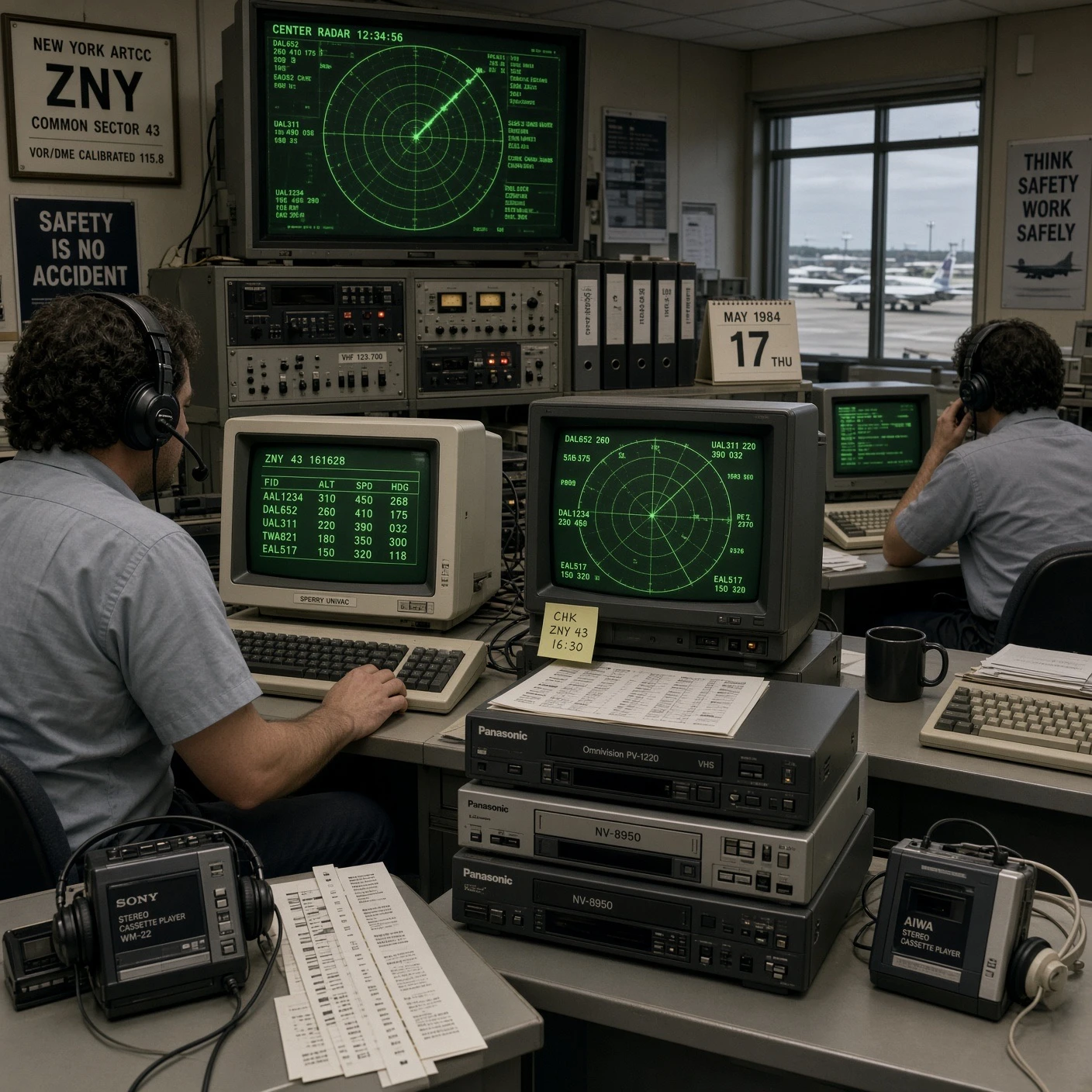
Aging Air Traffic Systems Cause Rare Nationwide Faa Ground Stop by Grok is licensed under Grok xAI
|
Aging Air Traffic Systems Cause Rare Nationwide FAA Ground Stop
Trump Demands Prosecution of Seditious Six for Subverting Military Command
Lop Off Their Heads! Or Else...???

Trump Parody Account Invites Debt Erasure; Memes Explode Overnight
Yeah...That Would Be Fucking Wild! Do It!!!


Hegseth Restores OSS to Drink the CIA’s Milkshake Dry
There Will Be Blood!


National Popular Vote Requires The Abolition Of All State Governments
NEW WORLD ORDER! Or Not?

Pence-Crist 2028: The Most Squish GOP Ticket in Living Memory
Fake And Gay! Nothing Is More Fake And Gay!

US Envoys Kushner and Witkoff Arrive in Moscow for Peace Talks
Jew Want Peace? Jew Must Kiss The Ring! The Russian Ring!