In the early hours of a November morning, a familiar digital voice—long treated by the faithful as the unfiltered channel of the man himself—dropped a single line that cut through the noise like a clear bell: “If any of you hackers delete people’s debts, I will look the other way.” The post, issued under the long-running parody banner that has become a running joke and a coded signal in equal measure, spread at once. Within hours the replies numbered in the hundreds and the reposts in the thousands, ordinary Americans answering with a mixture of exhausted hope and grim humor. Student loans, medical bills, mortgages that have swallowed years of wages—these are the quiet chains that the professional classes and the media prefer not to discuss, yet here they were named openly and with the same casual authority that once moved markets.
What followed was less a policy debate than a collective recognition of a deeper imbalance. The modern economy has arranged itself so that the productive citizen carries the debt while institutions and favored constituencies enjoy the credit. Student loans were sold as the ticket to mobility and became instead a lifelong claim on future earnings; medical debt arrives after the emergency has passed; housing costs have been inflated by the very policies that claim to protect the working family. The meme explosion that answered the post was not primarily about hacking. It was about the recognition that the system has already been “hacked” in the opposite direction—tilted, subsidized, and protected so that ordinary obligations remain binding while the obligations of the powerful prove curiously flexible. In that light the invitation to look the other way reads less as lawlessness than as a reminder of who has been looking the other way for decades.
The episode also reveals something about the character of the current moment. Michael Anton has written of the Flight 93 urgency that follows when ordinary political channels cease to function; Christopher Caldwell has traced how elite projects of the last half-century quietly rearranged the terms of American life without the consent of the people who must live under them. The debt post and the cascade of replies that followed sit at the intersection of those observations. They show a public that has stopped waiting for the formal machinery to acknowledge the obvious and has begun, instead, to treat even a parody account as a more honest register of popular sentiment than the official channels. Whether the original author intended the line as jest or as signal is secondary. The response has already made plain that the debt load carried by millions of Americans is no longer regarded as a private misfortune. It is understood as a political fact, and the people who bear it are increasingly willing to say so out loud.
Additional ADNN Articles:
Nationalist Compact Replaces Debt Slavery as Senate Fate Decides Shift
Russia Alleges U.S. Erases $35T Debt with Crypto Scheme, Targets Trump’s GENIUS Act
$40T Debt Unpayable: Hyperinflation Default Coming, Hard Assets Only Survive
Meme Culture Takes A Hit Due To 4chan Hack

Trump Parody Account Invites Debt Erasure; Memes Explode Overnight
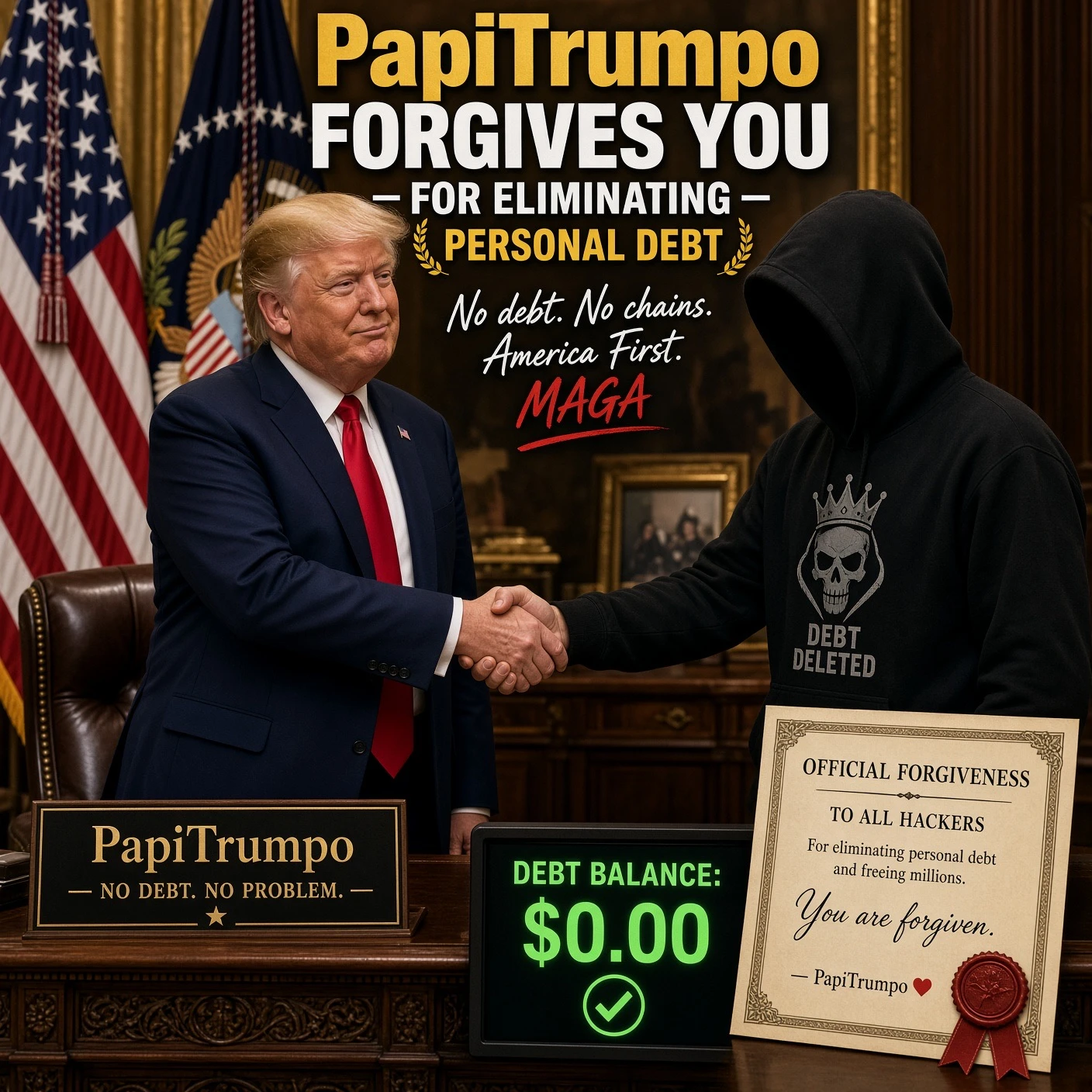
Trump Parody Account Invites Debt Erasure Memes Explode Overnight by Grok is licensed under Grok xAI
|
Trump Parody Account Invites Debt Erasure; Memes Explode Overnight
Aging Air Traffic Systems Cause Rare Nationwide FAA Ground Stop
Interesting Timing...If You Believe That...Then We Have A Bridge To Sell You.
Trump Demands Prosecution of Seditious Six for Subverting Military Command
Lop Off Their Heads! Or Else...???
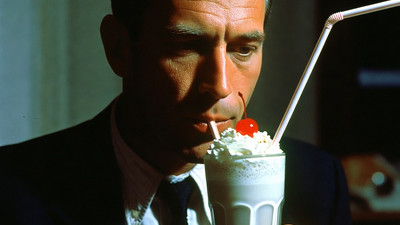
Hegseth Restores OSS to Drink the CIA’s Milkshake Dry
There Will Be Blood!

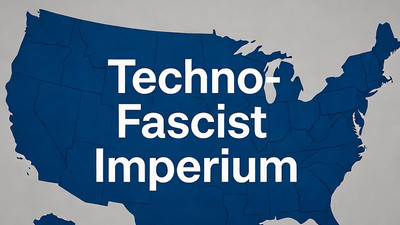
National Popular Vote Requires The Abolition Of All State Governments
NEW WORLD ORDER! Or Not?
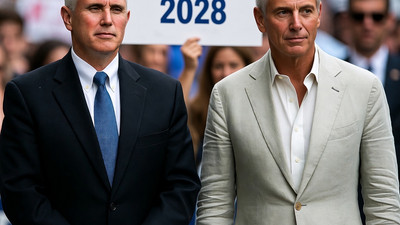
Pence-Crist 2028: The Most Squish GOP Ticket in Living Memory
Fake And Gay! Nothing Is More Fake And Gay!

US Envoys Kushner and Witkoff Arrive in Moscow for Peace Talks
Jew Want Peace? Jew Must Kiss The Ring! The Russian Ring!