Secretary of War Pete Hegseth’s November 12 memorandum does not merely rename a bureaucratic office. It elevates the Assistant Secretary for Special Operations and Low-Intensity Conflict to equal standing with the service secretaries, endows it with the secondary title of Assistant Secretary of War for the Office of Strategic Services, and directs legislative proposals to create a permanent Under Secretary of Strategic Services. In doing so, it restores the name and institutional weight of the wartime organization that, before Truman’s 1947 dissolution, conducted the very fusion of intelligence, sabotage, and unconventional warfare now split between Langley and the uniformed special operations community. The move places civilian oversight of the nation’s hardest missions under the Department of War’s hierarchy, backed by dedicated funding, billets, and acquisition authority. It is less a nostalgia exercise than a reclamation of the OSS lineage that military special operators have always claimed alongside, and sometimes in competition with, the CIA.
That shared lineage is precisely why the announcement registers as an existential threat to the agency that inherited the bulk of the OSS’s clandestine apparatus. The wartime Office of Strategic Services supplied the core personnel, tradecraft, and ethos for the CIA’s early Directorate of Operations; several early directors were OSS veterans. Yet the same organization also seeded the special operations forces that later formed USSOCOM. By reconstituting the OSS name and elevating its civilian steward inside the Department of War—rather than leaving irregular and strategic services under the exclusive purview of an independent intelligence agency—Hegseth is not inventing a competitor so much as returning the military side of the original enterprise to parity. The effect is to shrink the operational monopoly the CIA has enjoyed since the National Security Act. When the operators who execute the missions gain equal voice, budget influence, and institutional rank under the War Department, the agency’s claim to be the sole national instrument of strategic services becomes harder to sustain.
The resulting anger among certain congressmen and commentators is therefore not abstract concern for “civilian control” or “interagency equities.” It is the reaction of those whose influence has long depended on the CIA remaining the indispensable node through which strategic action is filtered, funded, and narrated. By restoring the OSS under the Department of War and giving special operations the resources and precedence long denied them, Hegseth is moving to drink the milkshake of an agency that has treated the military’s own heritage as subordinate. The more the uniformed and War Department apparatus can prepare, resource, and execute the hard missions without constant deference to Langley’s gatekeepers, the less essential that gatekeeping becomes. The figures who have spent decades treating the CIA as both sword and storyteller understand the implication: a reconstituted Office of Strategic Services inside the Department of War does not merely complement the agency. It begins to render large parts of it redundant.
Additional ADNN Articles:
Massie Forces Vote Treating Constitution as National Suicide Pact
General Admits Iran Ukraine Leaks as Democrats Seek Hegseth Impeachment
Former CIA Governor Installs Soros Operative in Virginia Congress Seat
Hegseth Signals Patriots Have Reclaimed Command of the American Military
Pete Hegseth, Office of Strategic Services, OSS reconstitution, Department of War, CIA monopoly, special operations forces, Under Secretary of Strategic Services, ASW SO/LIC, drinking their milkshake, CIA redundancy, wartime intelligence, USSOCOM, National Security Act, Langley gatekeepers, strategic services elevation

Hegseth Restores OSS to Drink the CIA’s Milkshake Dry
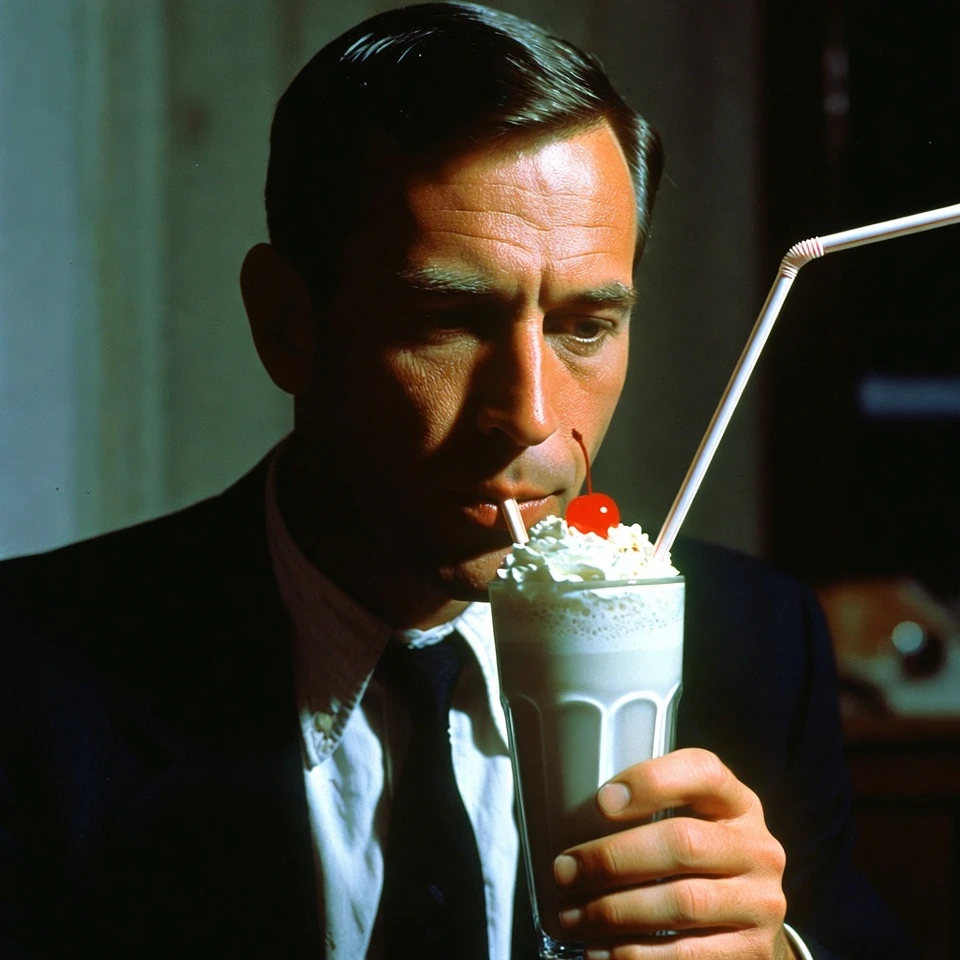
Hegseth Restores Oss To Drink The Cia S Milkshake Dry by Grok is licensed under Grok xAI
|
Hegseth Restores OSS to Drink the CIA’s Milkshake Dry
National Popular Vote Requires The Abolition Of All State Governments
NEW WORLD ORDER! Or Not?
Pence-Crist 2028: The Most Squish GOP Ticket in Living Memory
Fake And Gay! Nothing Is More Fake And Gay!
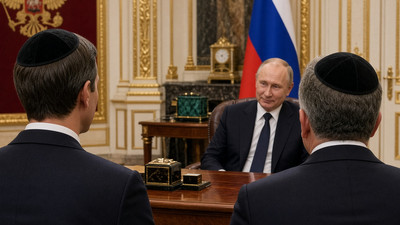
US Envoys Kushner and Witkoff Arrive in Moscow for Peace Talks
Jew Want Peace? Jew Must Kiss The Ring! The Russian Ring!

Trump Cabinet Relocates to Military Bases Ahead of Decisive Action
We Are About To Find Out! Continuity of Government Is Important! Prepare...For The Golden Age!
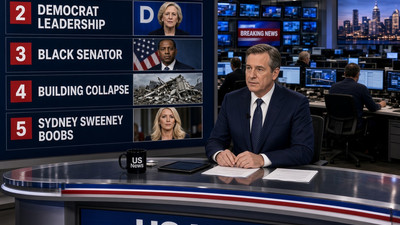
Post-Midterm Media Silence Confirms America Won the Iran Conflict
Enemy Of The People Are Mind Control Psy Op - Elections Are Fake And Gay!

Nvidia Board Ousts Founder Jensen Huang Over Affairs
He's Out! Free To Fuck Whoever He Wants Now!
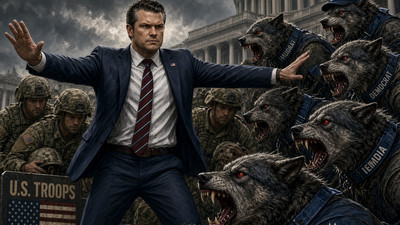
Veterans Day: Hegseth Blocks Campaign to Cow Troops into Silence
Hug A Veteran, Thank The Troops! Defeat Enemies - Both Foreign And Domestic! God Bless America!