The major media outlets that spent the better part of a year framing every Iranian missile, every tanker incident, and every rise in the price of gasoline as proof of an American quagmire have, in the days since November 3, largely moved on. What had been treated as an unfolding national humiliation—complete with nightly panels on the political cost to Republicans and the supposed strategic genius of Tehran in stringing out negotiations—has receded into the background of residual diplomatic notes and occasional reports of minor strikes. The midterms are over; the electoral utility of the conflict has expired. The same institutions that insisted the public must remain in a state of constant alarm now find other subjects more pressing.
The operational record is less accommodating to that narrative. American and Israeli strikes at the outset of the campaign removed senior Iranian commanders and substantially degraded nuclear infrastructure. The naval blockade has continued to restrict Iranian commerce, American forces have maintained effective control over the principal shipping lanes of the Strait of Hormuz despite Iranian harassment, and Tehran’s economy has remained under sustained pressure. Secretary Rubio’s recent statement that there is no present need for major combat operations, because the economic campaign is already decisive, is consistent with the facts on the ground rather than a post-election invention. Limited exchanges continue, yet the character of the contest has shifted from the open kinetic phase of February and March to a contest of blockade, interdiction, and attrition in which the United States retains the stronger hand.
What the coverage treated as an endless crisis was, for long stretches, an instrument of domestic political competition. High fuel prices and the framing of the operation as an unforced error were useful while ballots remained to be cast; once the results were in, the same story lost its capacity to shape the next news cycle. The conflict itself has not disappeared, nor have Iran’s remaining capabilities or its conditions for a settlement. What has disappeared is the media’s incentive to treat every development as evidence that the United States was losing. On the material questions that matter—denial of a nuclear arsenal, control of a critical waterway, and the progressive weakening of the regime’s economic base—the silence is more revealing than the earlier noise.
Additional ADNN Articles:
Election Ends Oil Psyop as Tankers Still Burn in Hormuz
Fake News Media Ecstatic Over Blue Tsunami Enemy Confirmed
General Admits Iran Ukraine Leaks as Democrats Seek Hegseth Impeachment
Media Prepares Excuses to Bury Election Irregularities Before Ballots Count

Post-Midterm Media Silence Confirms America Won the Iran Conflict
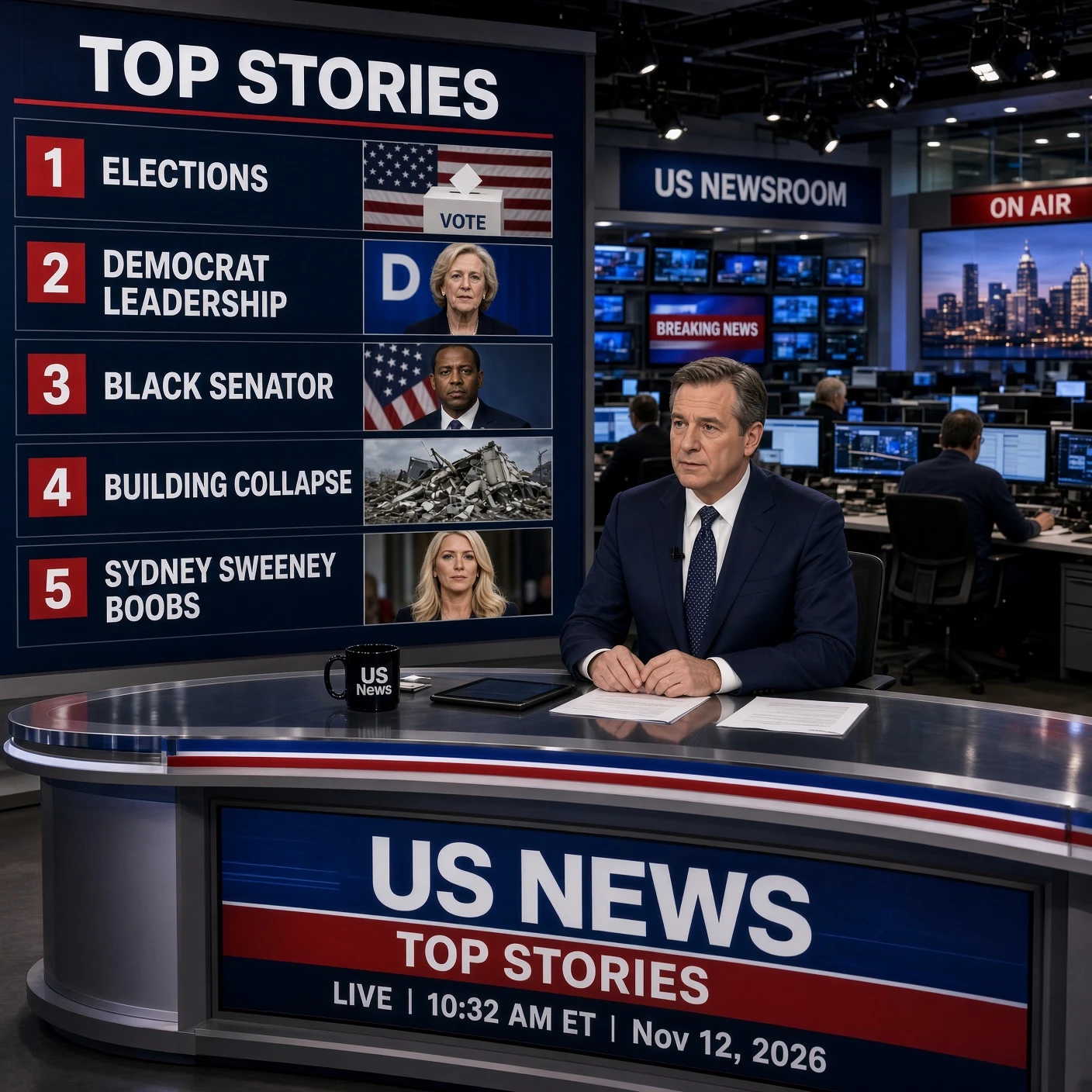
Post Midterm Media Silence Confirms America Won The Iran Conflict by Grok is licensed under Grok xAI
|
Post-Midterm Media Silence Confirms America Won the Iran Conflict
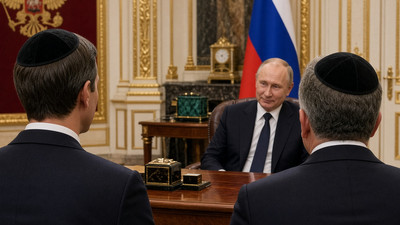
US Envoys Kushner and Witkoff Arrive in Moscow for Peace Talks
Jew Want Peace? Jew Must Kiss The Ring! The Russian Ring!

Trump Cabinet Relocates to Military Bases Ahead of Decisive Action
We Are About To Find Out! Continuity of Government Is Important! Prepare...For The Golden Age!

Nvidia Board Ousts Founder Jensen Huang Over Affairs
He's Out! Free To Fuck Whoever He Wants Now!
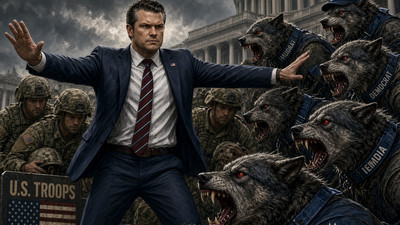
Veterans Day: Hegseth Blocks Campaign to Cow Troops into Silence
Hug A Veteran, Thank The Troops! Defeat Enemies - Both Foreign And Domestic! God Bless America!

Establishment Called Q a LARP; White House Now Speaks the Same Tongue
Who Is Q? And What Is The Difference Between Q & Qanon? Original Q Drops Only Lasted Two Weeks In 2017...The Rest Is Disinformation. Who Knows? Do You?

All 254 Texas Counties Shift Left in Impossible Midterm Reversal
Fake And Gay...As Always.
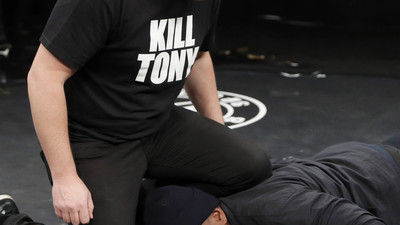
Dave Chappelle Admits Feeling Better After Charlie Kirk Assassination
Who Says Comedy Is Dead? Fake Chappelle Continues To Steal Jokes! What Else Is A Nigger To Do?
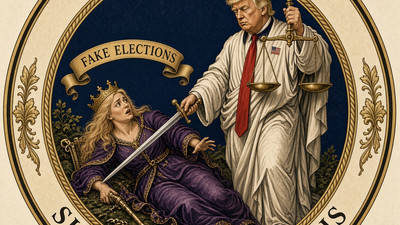
Trump Warns Midterm Math Fails as Virginia Rolls Exceed Citizens
"SIC SEMPER TYRANNIS" - Goes For CIA Bitches Too! Elections Are Fake & Gay!