The long arc of Texas politics has been one of steady, measurable consolidation toward the Republican Party. County by county, the pattern held for years: rural strongholds deepened their margins, suburban counties that once leaned competitive moved right, and even certain border and Hispanic-majority counties that Democrats had treated as permanent territory began to narrow or reverse. From the 2018 midterms through 2022 and the 2024 presidential contest, the direction of travel was clear and cumulative. Hundreds of counties recorded successive gains for the Republican ticket. That is the baseline against which the 2026 results must be judged.
What occurred on November 3, 2026, was not a continuation of that trajectory but an abrupt and total reversal. Official returns show that every one of Texas’s 254 counties increased its Democratic share relative to the 2024 presidential results, with median shifts in the range of nine to seventeen points depending on the race. Statewide, James Talarico defeated Ken Paxton and Gina Hinojosa defeated Greg Abbott—the first Democratic Senate win since 1988 and the first Democratic governorship in more than three decades. While most counties remained Republican in absolute terms (Talarico carried roughly forty), the uniformity of the leftward movement is the anomaly. A polity does not deepen its red leanings across successive cycles only to produce a simultaneous, statewide movement in the opposite direction without some intervening cause of extraordinary force. Demographic change, turnout differentials, and campaign effects explain ordinary swings; they do not, on their face, explain every county moving in lockstep.
The practical consequence is a crisis of confidence in the machinery of elections themselves. When the recorded will of the people reverses an established multi-cycle trend with such mechanical completeness, the burden falls on those who administer and certify the results to demonstrate that the numbers reflect actual ballots cast by eligible voters rather than artifacts of process. Christopher Caldwell has written at length about how rapid demographic transformation alters the political character of places without the consent of those already there; Michael Anton has insisted that a republic cannot survive if its people conclude that their votes no longer decide outcomes. Texas has now supplied the clearest recent illustration of both concerns. Until the raw data, chain of custody, and canvassing procedures for all 254 counties are subjected to rigorous, public examination, the claim that the state simply “changed its mind” remains less an explanation than an assertion.
Additional ADNN Articles:
Elon Musk’s Texas Bet Collapses as State Turns Blue Overnight
Secretary Mullin Orders Nationwide Review of Election Logs for Noncitizen Votes
Democrats Warned of Steal; Assessments Still Pending.
Trump’s DOJ Files Lawsuits to Secure Midterm Ballot Integrity

All 254 Texas Counties Shift Left in Impossible Midterm Reversal
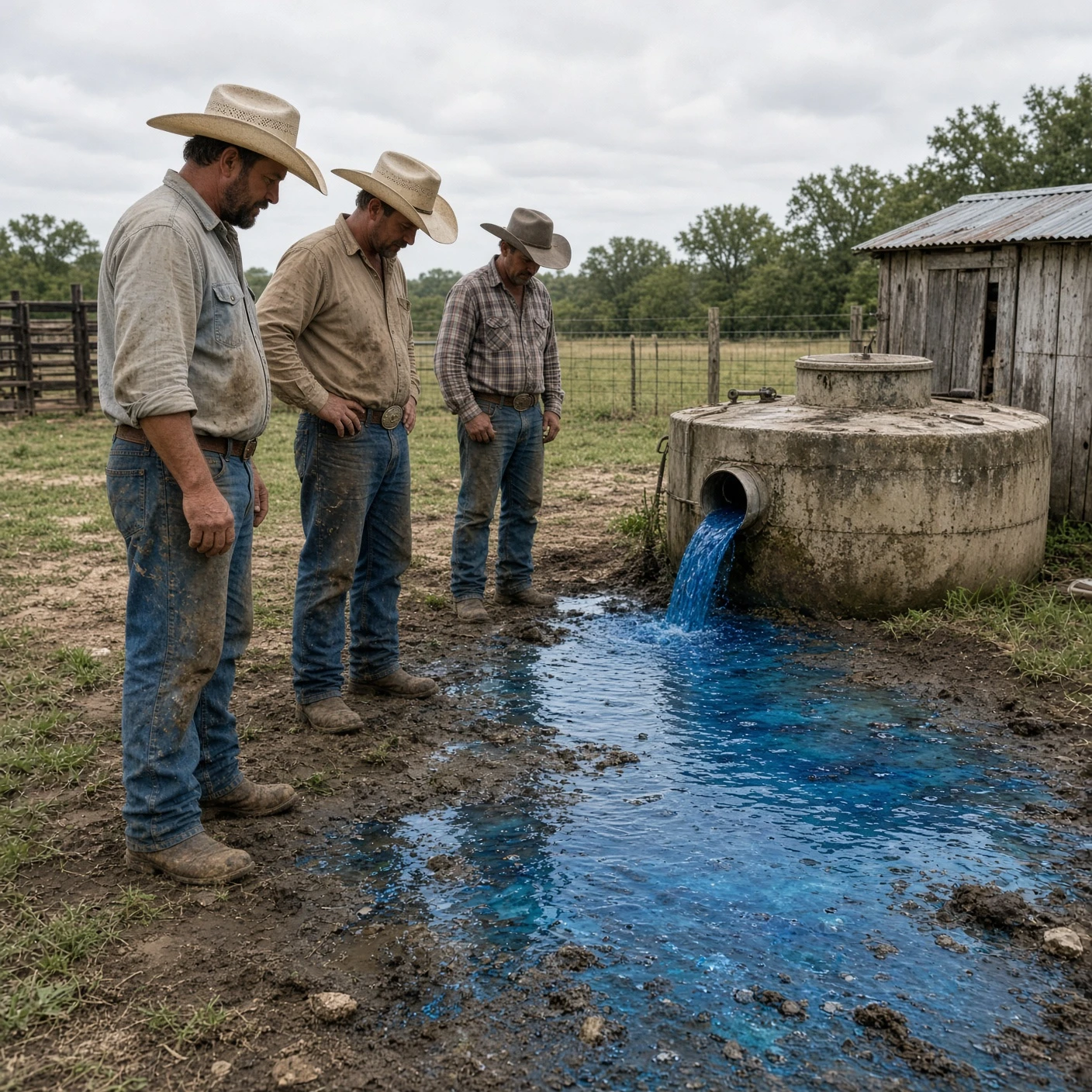
All 254 Texas Counties Shift Left In Impossible Midterm Reversal by Grok is licensed under Grok xAI
|
All 254 Texas Counties Shift Left in Impossible Midterm Reversal

Veterans Day: Hegseth Blocks Campaign to Cow Troops into Silence
Hug A Veteran, Thank The Troops! Defeat Enemies - Both Foreign And Domestic! God Bless America!

Establishment Called Q a LARP; White House Now Speaks the Same Tongue
Who Is Q? And What Is The Difference Between Q & Qanon? Original Q Drops Only Lasted Two Weeks In 2017...The Rest Is Disinformation. Who Knows? Do You?

Dave Chappelle Admits Feeling Better After Charlie Kirk Assassination
Who Says Comedy Is Dead? Fake Chappelle Continues To Steal Jokes! What Else Is A Nigger To Do?

Trump Warns Midterm Math Fails as Virginia Rolls Exceed Citizens
"SIC SEMPER TYRANNIS" - Goes For CIA Bitches Too! Elections Are Fake & Gay!
Massie Forces Vote Treating Constitution as National Suicide Pact
Lame? Lame Duck? How About Lame Fuck!!!

Election Ends Oil Psyop as Tankers Still Burn in Hormuz
Down Goes Oil! Up Goes Spoil! Mind Control Is Everywhere!

Supreme Court Restores Trump’s Border Wall Work in Texas Big Bend
Promise Made, Promises Kept...Even If Texans And A DEI Hire Hate It.

Americans Reject Endless Compromises for Broken Immigration System
The System Is Broken...Now What? Time To Deport! Don't Stop....Just Say You'll Stop And Go Right Ahead.