The Supreme Court has done the country a service by refusing to let a single district judge hold the nation’s border hostage to the aesthetic preferences of river guides and environmental litigants. In an 8–1 order issued Monday, the justices stayed the injunction that had frozen construction across the Big Bend sector of Texas, including work already under way inside Big Bend National Park. Only Justice Ketanji Brown Jackson dissented, and she offered no explanation. The majority recognized what the statute itself makes plain: Congress authorized the Secretary of Homeland Security to waive environmental and conservation laws in areas of high illegal entry, and the lower court had no business second-guessing that choice.
The dispute itself is a miniature of the larger border crisis. The Big Bend sector stretches more than five hundred miles and accounts for a quarter of the southern border, yet it has produced only a tiny fraction of recent apprehensions. That disparity is precisely why the administration moved to close the gap. Once the most obvious corridors are hardened, traffic migrates to the remaining voids. The Trump administration’s plan—vehicle barriers, access roads, and surveillance rather than a continuous thirty-foot wall through the park’s steepest canyons—reflects that tactical reality. Environmental groups and a local river guide sued, arguing that Congress had not clearly authorized so broad a waiver and that the project therefore violated the major-questions doctrine. District Judge Kathleen Cardone agreed and halted all ground-disturbing activity. The Supreme Court concluded she almost certainly lacked jurisdiction to do so and that the government’s interest in border integrity plainly outweighs the claimed recreational and ecological harms.
What the order restores is not a blank check but the ordinary operation of a law Congress wrote in 1996 and has left in place through every subsequent administration. The same waiver authority has been used, without judicial veto, for previous stretches of barrier. Critics who now treat the Rio Grande’s remote canyons as inviolable wilderness once treated the same terrain as an unguarded doorway. The Court’s decision simply reasserts that the political branches, not a single trial judge, decide how to balance those interests. Construction can resume while the underlying suit continues; the temporary halt has already cost the government roughly half a million dollars a day in idle contracts. For those who still believe a sovereign country may control its frontier, the ruling is a straightforward affirmation of that premise.
Additional ADNN Articles:
Supreme Court Empowers Trump to End TPS and Deport Haitians
Kristi Noem Paints Border Wall Black to Deter Migrants, Sparking “Paint It Black” Jokes and Criticism
SCOTUS Decision A Massive Win For MAGA And Secure Boarders
High Court Lets Trump Verify Voters With Social Security Records

Supreme Court Restores Trump’s Border Wall Work in Texas Big Bend
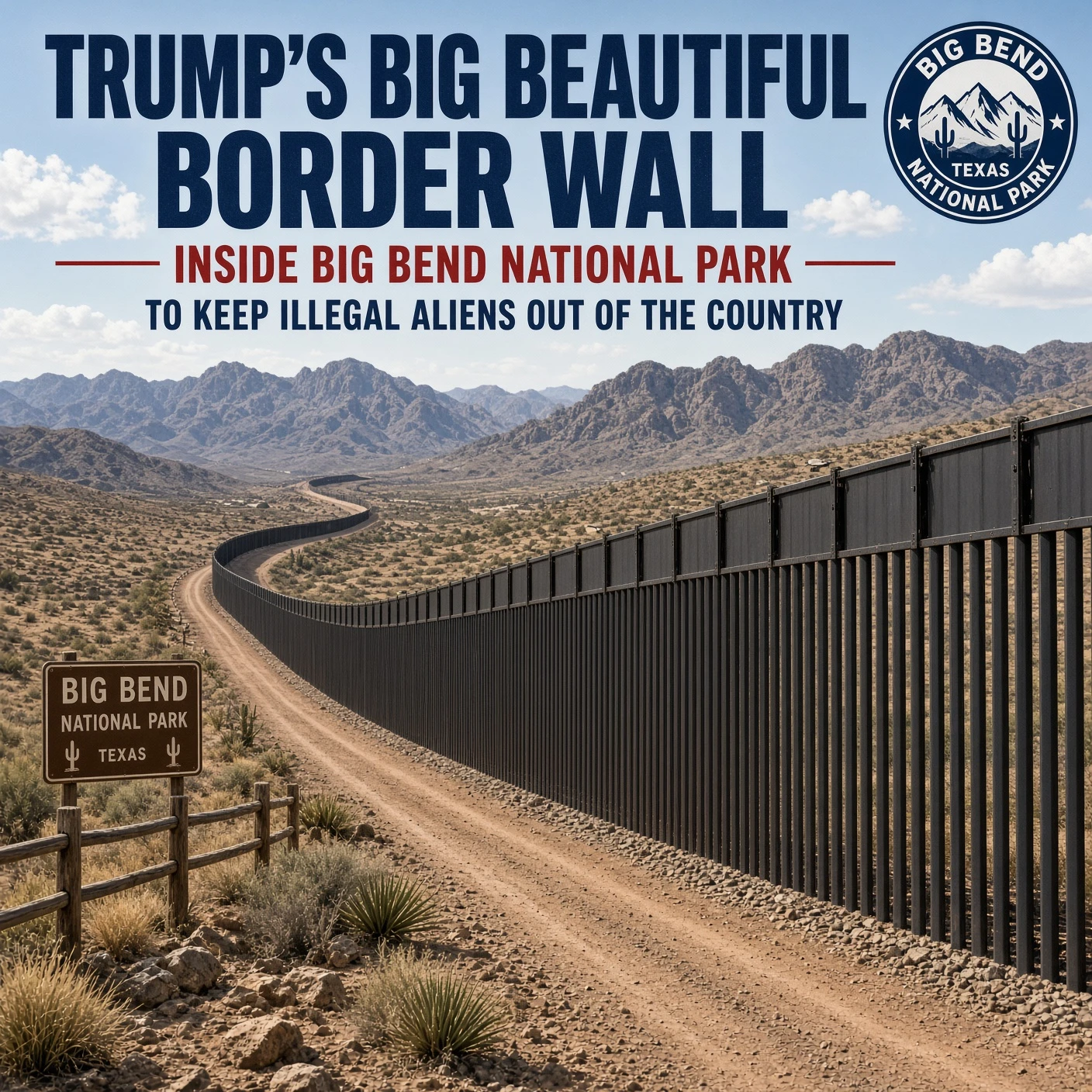
Supreme Court Restores Trump S Border Wall Work In Texas Big Bend by is licensed under Grok xAI
|
Supreme Court Restores Trump’s Border Wall Work in Texas Big Bend
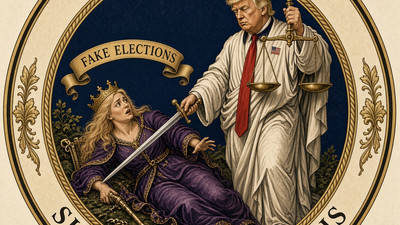
Trump Warns Midterm Math Fails as Virginia Rolls Exceed Citizens
"SIC SEMPER TYRANNIS" - Goes For CIA Bitches Too! Elections Are Fake & Gay!
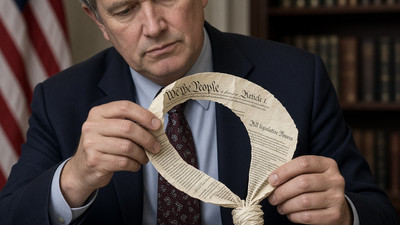
Massie Forces Vote Treating Constitution as National Suicide Pact
Lame? Lame Duck? How About Lame Fuck!!!

Election Ends Oil Psyop as Tankers Still Burn in Hormuz
Down Goes Oil! Up Goes Spoil! Mind Control Is Everywhere!

Americans Reject Endless Compromises for Broken Immigration System
The System Is Broken...Now What? Time To Deport! Don't Stop....Just Say You'll Stop And Go Right Ahead.
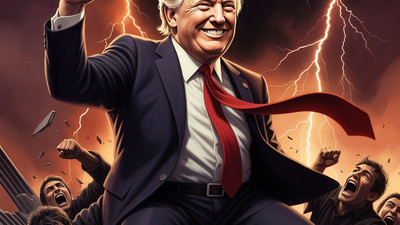
Trump’s Justified Hatred Sustains Fight Against Deformed Left’s Calumny
Fight Fight Fight! (He Knows How To Play 60 Minutes)

Situational Alpha Jensen Huang Falls to Obvious Chinese Spy Honeypot
He Was Never In Charge...And This Honey Trap Is Just A Psy Op! Jokes On The Narrative!
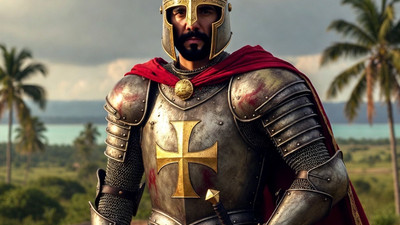
Bukele Claims Golden Circle Scepter for New Western Empire of Freedom
Squaring The Circle! Time Will Tell...Is This The Path? Let's Pray For Peace And Act Decisively!

Miller’s Rise: Trump’s War Against the Manufactured Consensus.
Fuck You! We Win!