Nayib Bukele has done what a generation of consultants, NGOs, and multilateral envoys declared impossible: he has broken the gangs that once made El Salvador the murder capital of the world. Under his Territorial Control Plan and the state of exception, the country has logged more than a thousand days without a single homicide, driven the rate from over one hundred per one hundred thousand down toward one, and placed tens of thousands of MS-13 and Barrio 18 members behind the walls of the CECOT. Peace is not a slogan in San Salvador; it is a daily fact that has returned streets, markets, and evenings to ordinary citizens. That record of decisive order, paired with a platform that treats prosperity as the natural fruit of security rather than its alternative, is what now draws eyes beyond his borders.
The same hand that emptied the streets of El Salvador has turned toward Haiti, the Caribbean’s oldest wound. When four Salvadoran technicians serving with the Gang Suppression Force vanished into Port-au-Prince’s gang territory in mid-October 2026, Bukele did not issue a statement of concern. He dispatched roughly two thousand troops, warned the gangs in Creole that worse was coming, and told Haitians he would help them retake their country from the men who had betrayed the legacy of Dessalines. The operation is framed as rescue and restoration, not occupation; the Haitian government has welcomed the assistance, and Washington has facilitated it. In a region long accustomed to failed missions and endless violence, the contrast is sharp: a leader who has already proved he can dismantle gang power is offering the same remedy where every previous remedy has failed.
These achievements position Bukele, in the eyes of those who still think in continental terms, as the natural heir to the scepter once claimed by the Knights of the Golden Circle. That nineteenth-century order dreamed of a vast western realm stretching from the American South through Mexico and Central America, across the northern reaches of South America, and through every island of the Caribbean. Their vision was poisoned by slavery and sectional interest; the geography, however, remains compelling. A new circle under Bukele’s model would be a zone of freedom and safety rather than bondage, energy-independent through the resources already present in the Gulf, the isthmus, and the Caribbean basin, and fed by the fertile lands that have always been capable of abundance once order is secured. Whether the peoples of that circle will accept such leadership is a question of politics, not destiny; what is already clear is that no other figure has demonstrated the capacity to impose the peace on which any such prosperity must rest.
Additional ADNN Articles:
Bukele’s Ceremonial Sword Stirs Golden Circle Knight Aura Debate
El Salvador’s Bukele Is A True Knight Of The Golden Circle
Mass US Deportations Send Mexicans to Guatemala Criminals to Haiti
USAID Defunded: 7 “Far-Right” Latin Wins Expose Aid Myth

Bukele Claims Golden Circle Scepter for New Western Empire of Freedom
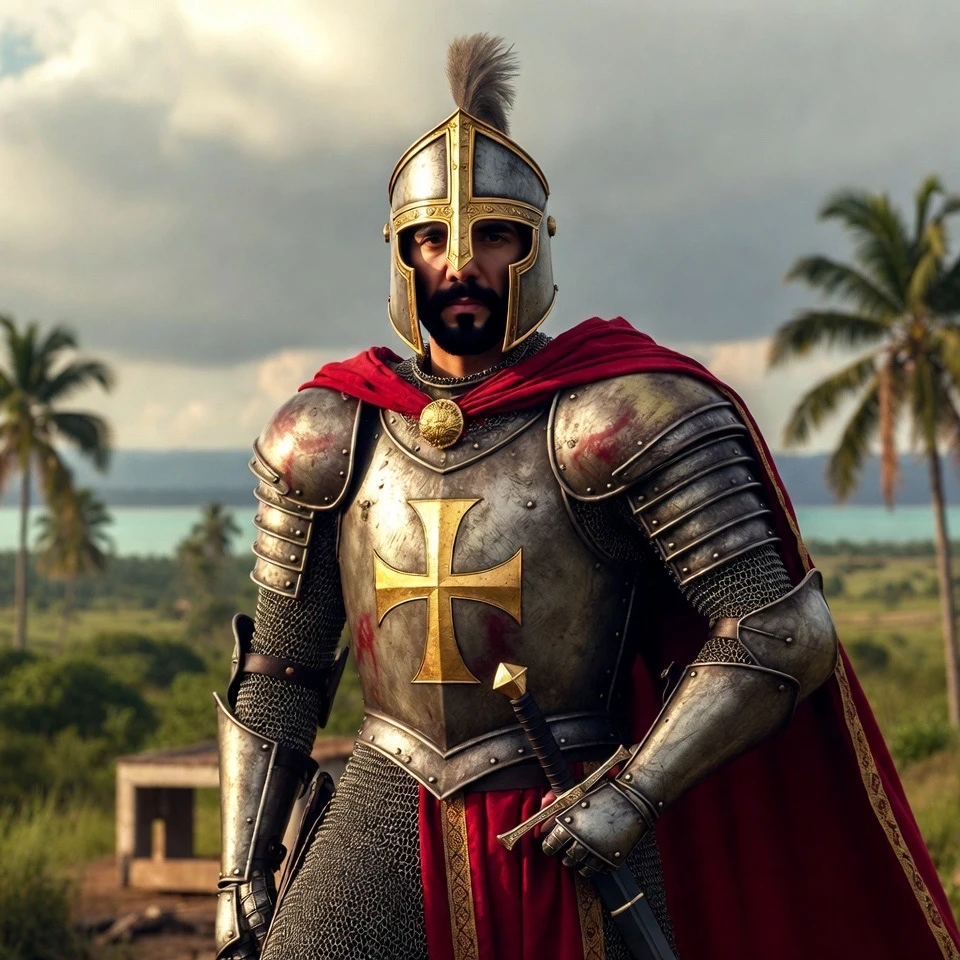
Bukele Claims Golden Circle Scepter For New Western Empire Of Freedom by Grok is licensed under Grok xAI
|
Bukele Claims Golden Circle Scepter for New Western Empire of Freedom

Americans Reject Endless Compromises for Broken Immigration System
The System Is Broken...Now What? Time To Deport! Don't Stop....Just Say You'll Stop And Go Right Ahead.
Trump’s Justified Hatred Sustains Fight Against Deformed Left’s Calumny
Fight Fight Fight! (He Knows How To Play 60 Minutes)

Situational Alpha Jensen Huang Falls to Obvious Chinese Spy Honeypot
He Was Never In Charge...And This Honey Trap Is Just A Psy Op! Jokes On The Narrative!
Miller’s Rise: Trump’s War Against the Manufactured Consensus.
Fuck You! We Win!
Trump Offers UFC Boss Dana White Press Secretary Post Monday Meeting Set
Tap Out! Enemy Of The People Destroyed!
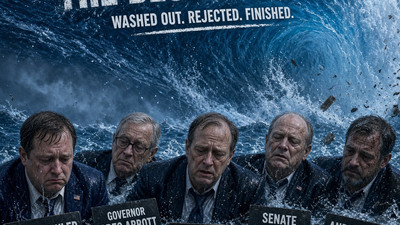
Blue Tsunami Clears GOP Obstructionists, Strengthening Party for Future Reforms.
Elections Are Fake And Gay....But Those Whole Control The (S)election System Control The Future!
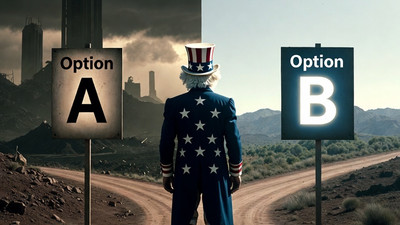
AI's Decade Will Decide Humanity's Next Thousand Years
Nikola Rolling In His Grave! Let's Win This Time!
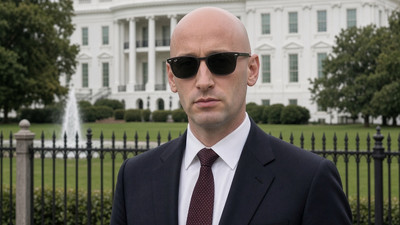
Miller Takes Charge After Oval Office Break With Wiles.
It's Miller Time!