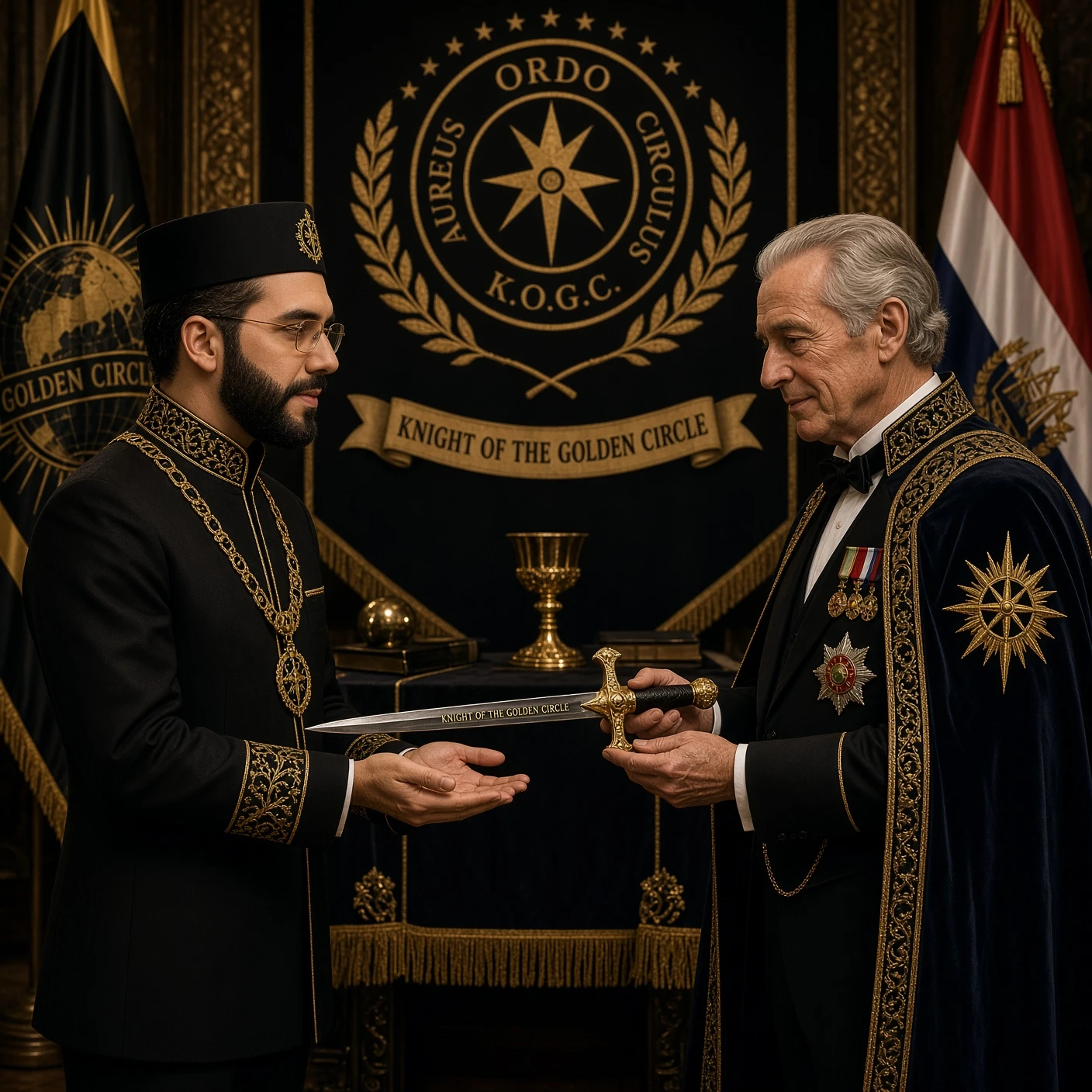
The video arrived as these things now arrive: not as a footnote from a small republic, but as a finished pageant. President Nayib Bukele, in gala uniform and the profile of a man who has decided that ceremony is not optional, received a sword inside El Salvador’s Palacio Nacional and carried it through a procession scored like a requiem. The occasion was the transfer of Francisco Morazán’s remains to a new mausoleum; the effect was something older. Admirers saw command made visible—steel, symmetry, the refusal to govern in the costume of a mid-level NGO. Detractors saw costume itself: a president playing general, a relic of doubtful pedigree pressed into service as if lineage could be staged. The blade’s provenance is contested; Morazán’s actual campaign sword is said to rest in Nicaragua. That quarrel, however, is almost beside the point. What traveled was the image of a ruler who still believes a sword can speak.
Online, the argument did not stay inside Central American historiography. It migrated, as symbols do, into the older American vocabulary of circles and knighthood. The Knights of the Golden Circle were a nineteenth-century society of expansion, order, and a Gulf-wide civilization that never quite closed. To call Bukele one of theirs is not a membership roll; it is a claim about type. He reduced a murder capital to a country that can again hold a night walk. He built the theater of the state instead of apologizing for it. Those who praise him treat the sword as confirmation that authority, properly worn, still radiates—an aura in the old sense, not a marketing glow but the pressure that gathers around a man who has made disorder pay. Those who mock him treat the same aura as kitsch: Napoleonic trim, cinematic lighting, the suspicion that republics die when presidents start collecting blades. Both readings concede the same fact. The object worked. People felt it.
What the debate finally concerns is not El Salvador’s inventory of steel. It is whether late modernity still permits a public man to look like a guardian rather than a facilitator. Bukele’s critics want the sword explained, authenticated, reduced to a prop so that the feeling it produced can be dismissed as credulity. His defenders answer that results authenticate more cleanly than archives: gangs broken, streets reclaimed, a small nation remembered for something other than flight. The Golden Circle was a dream of circumference—of a zone where force and form were not ashamed of each other. Whether Bukele is a “true knight” of that vanished order is a question no registry can settle. The more useful test is simpler, and colder. When a ceremonial sword is lifted in a palace and half a continent leans in, the aura is not a metaphor. It is the last remaining proof that politics, even now, can still look like destiny instead of administration.
Additional ADNN Articles:
USAID Defunded: 7 “Far-Right” Latin Wins Expose Aid Myth
Bickley’s Golden Circle Dream Revived by U.S. Venezuela Takeover
US Captures Maduro: Knights’ Golden Circle Dream Fulfilled
Cuba's Díaz-Canel Unveils U.S. Talks for Bickley's Golden Circle Revival

Bukele’s Ceremonial Sword Stirs Golden Circle Knight Aura Debate
Bukele’s Ceremonial Sword Stirs Golden Circle Knight Aura Debate
Trump Gifts Xi America's Eagle After AutoPen Portrait Chuckle
Art Of The Deal!
Netanyahu Brands UN Walkout Cowards After Iran Strike Defense.
Jew N! Jew Out!
Claude’s Film Traces The West From Greek Temples To Accelerate
Super Intelligence Is Super Based!
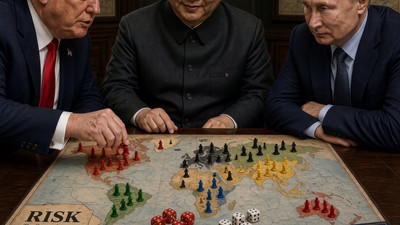
Trump Greets Xi at Andrews, Superpowers Set Century’s Board
Super Intelligence!
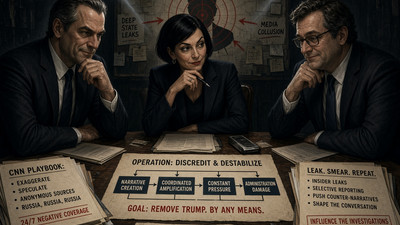
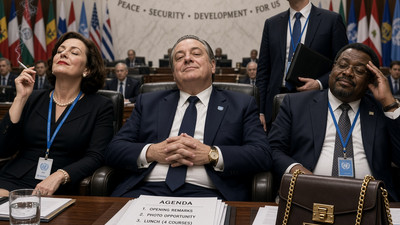
Milei Brands UN Useless Caste of Fatefully Arrogant Parasites
Death Cult Put On Notice! Its Death To The Death Cult!
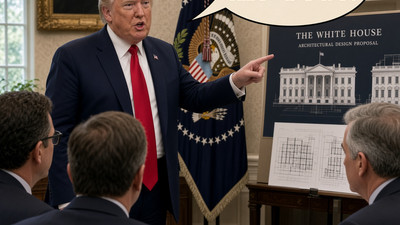
White House Architect Quits; Trump Says “I Am the Code”
I Am The Code.
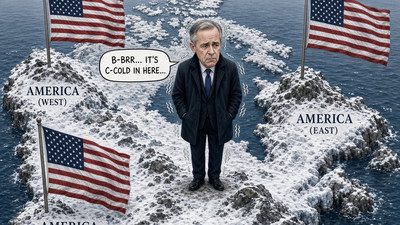
Carney Hits Trump War Talk as America Encircles Canada
Surrounded! Like a Trapped Animal Screeching Out!