Brivael Le Pogam has framed the coming decade with a clarity that cuts through the usual fog of managed decline. In his accounting, the next ten years will settle a choice that shapes the next thousand: either an Orwellian order in which a narrow hyperclass commands artificial intelligence, monopolizes the commanding heights of energy and computation, and reduces everyone else to permanent clients of the state and its corporate partners, or a genuine rupture in which the systemic opacity that has shielded public and private corruption for generations simply ceases to be workable. The second path is not utopian; it is the logical consequence of tools that make every transfer of public money, every revolving-door appointment, and every regulatory capture visible in real time. Once that visibility arrives, the old bargains—between regulators and the regulated, between foundations and the agencies they fund, between parties and the administrative state—lose their cover.
The modern Democratic Party has chosen the first of these futures with remarkable consistency. Its instinct, visible in both European and American policy, is to treat the arrival of powerful AI as a problem of distribution and control rather than of production and ownership. Licensing regimes, compute registries, mandatory “safety” boards staffed by the same networks that already dominate regulatory capture, and the reflexive claim that the technology is “too important to be left to the market” all point in the same direction: concentration of capability in a few licensed laboratories and the agencies that write their rules. That arrangement does not eliminate scarcity; it administers it. It does not end dependence; it perfects it. The result is not abundance shared equally but a new nomenklatura whose position rests on the right to decide which models may be trained, which outputs may be seen, and which citizens may build. History offers no example of such a caste voluntarily surrendering the lever once it holds it.
The alternative does not require romantic faith in the benevolence of markets or machines. It requires only that the technology now emerging be allowed to do what it already does best: collapse the information asymmetry that has made large-scale corruption practical. When every citizen can audit the flow of public funds as readily as a clerk once audited a ledger, when models can flag inconsistencies across contracts, grants, and personnel files in seconds rather than years, the architecture that sustained the post-war administrative state begins to fail. That failure is not automatic; it must be demanded. The demand is political, legal, and institutional: full transparency of public money as a condition of any further public investment in AI infrastructure, open rather than licensed models, and an end to the regulatory moats that protect incumbents. Anything short of that leaves the hyperclass in place and the next thousand years looking a great deal like the last seventy. The choice is binary. The institutions that prefer the first option have already declared themselves. The rest of the work belongs to those who refuse to accept it.
Additional ADNN Articles:
Trump Calls AI Apocalypse a Hoax, Heralds Golden Age Ahead
Palantir’s Twenty-Two Points: Hard Power for the Machine Age
Gates Predicts Twenty Years of Survival Chaos Before Robot Plenty
Anthropic Wants Woke Altruistic Communists Regulating Every Other AI Firm

AI's Decade Will Decide Humanity's Next Thousand Years
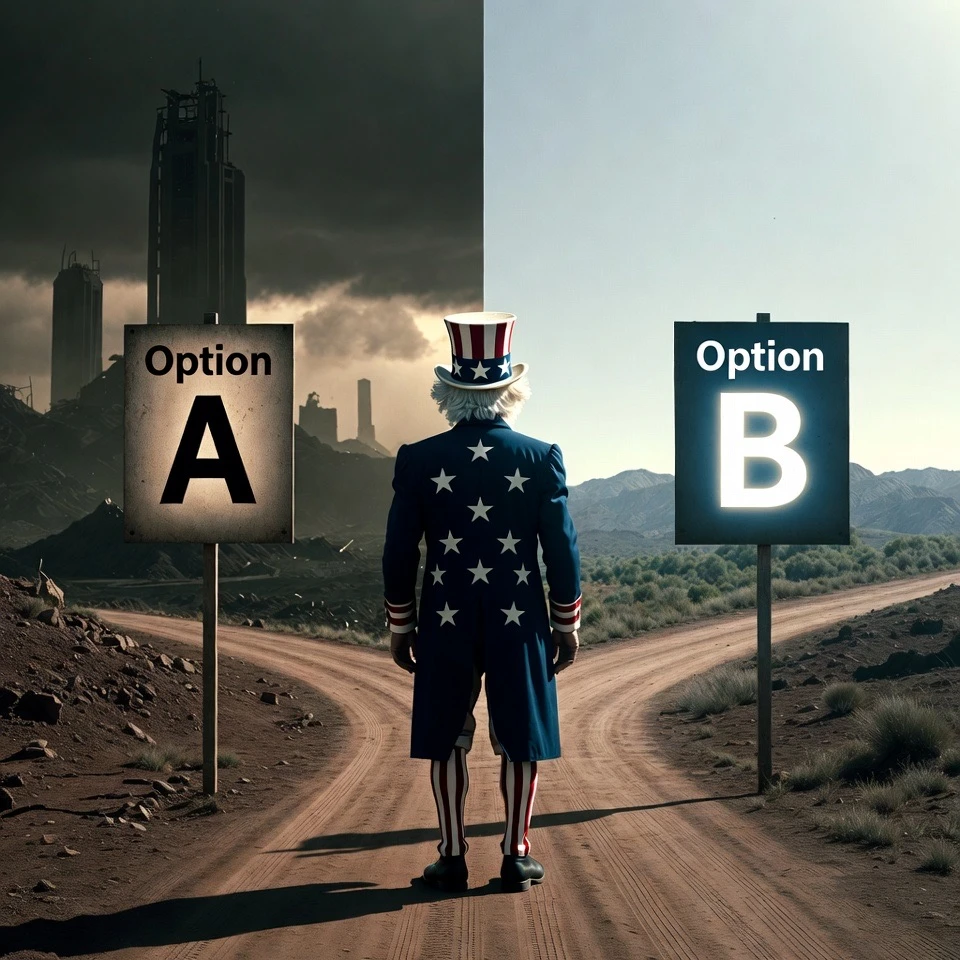
Ai S Decade Will Decide Humanity S Next Thousand Years by Grok is licensed under Grok xAI
|
AI's Decade Will Decide Humanity's Next Thousand Years

Miller’s Rise: Trump’s War Against the Manufactured Consensus.
Fuck You! We Win!

Trump Offers UFC Boss Dana White Press Secretary Post Monday Meeting Set
Tap Out! Enemy Of The People Destroyed!
Blue Tsunami Clears GOP Obstructionists, Strengthening Party for Future Reforms.
Elections Are Fake And Gay....But Those Whole Control The (S)election System Control The Future!

Miller Takes Charge After Oval Office Break With Wiles.
It's Miller Time!

Hegseth Signals Patriots Have Reclaimed Command of the American Military
Trust The Plan? Yes, You Can...

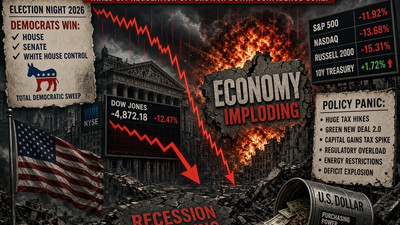
Trump Correct: Envious World Economy Endangered by Democratic Midterm Triumph
The Investor Knows What's Up & What's Down!