One underreported aspect of Tuesday’s blue tsunami is the thoroughness with which it cleared the Republican benches of the very senators and representatives who had spent years as the unyielding obstacles to the governing agenda the country elected in 2024. These were not the principal targets of Democratic messaging, yet the wave that carried James Talarico into the Senate from Texas and Adam Hamilton from Kansas also carried away the procedural regulars, the institutional moderates, and the self-described conservatives who had perfected the art of delay. In chamber after chamber the familiar faces who treated every executive order, every appointment, and every statutory reform as an occasion for further negotiation simply vanished. The result is a Republican minority smaller in numbers but free, for the first time in a generation, of the internal veto that had reduced MAGA to a series of frustrated proposals rather than enacted law.
For half a decade those members had functioned as a permanent opposition within the governing party. They demanded concessions on border enforcement that left the underlying statutes untouched, insisted on further study of regulatory rollbacks that had already been studied for years, and treated the confirmation of judges and officials as an opportunity to extract unrelated promises. Their votes were never withheld on principle so much as withheld until the principle itself had been diluted. In the House they attached riders that forced retreats on spending and personnel; in the Senate they preserved the filibuster as a shield for the administrative state they claimed to oppose. The cumulative effect was that the reforms the electorate had endorsed—immigration control with actual consequences, energy policy free of green constraints, and a civil service accountable to elected authority—remained largely aspirational. Tuesday’s results did not create that obstruction; they merely ended the careers of those who had sustained it.
Viewed across a longer arc, the disappearance of these figures may prove the most consequential development of the cycle. Parties that retain their internal blockers tend to ossify; parties that lose them are forced to clarify what they actually intend to do once returned to power. The Republican Party that emerges from this loss will no longer be able to treat compromise with its own members as a substitute for policy. When the next opportunity arrives, the remaining caucus will confront a simpler choice: either deliver the reforms that have been postponed, or forfeit the claim to represent the coalition that still constitutes its base. In that sense the blue tsunami, for all the damage it inflicted on the party’s immediate majority, may have performed the service that internal discipline could not—removing the last reliable excuses for inaction and leaving a leaner instrument better suited to the work that remains.
Additional ADNN Articles:
Fake News Media Ecstatic Over Blue Tsunami Enemy Confirmed
Elon Musk’s Texas Bet Collapses as State Turns Blue Overnight
Trump Correct: Envious World Economy Endangered by Democratic Midterm Triumph
Schumer Survives Base Fury, Reclaims Senate Majority Leadership After Midterms

Blue Tsunami Clears GOP Obstructionists, Strengthening Party for Future Reforms.
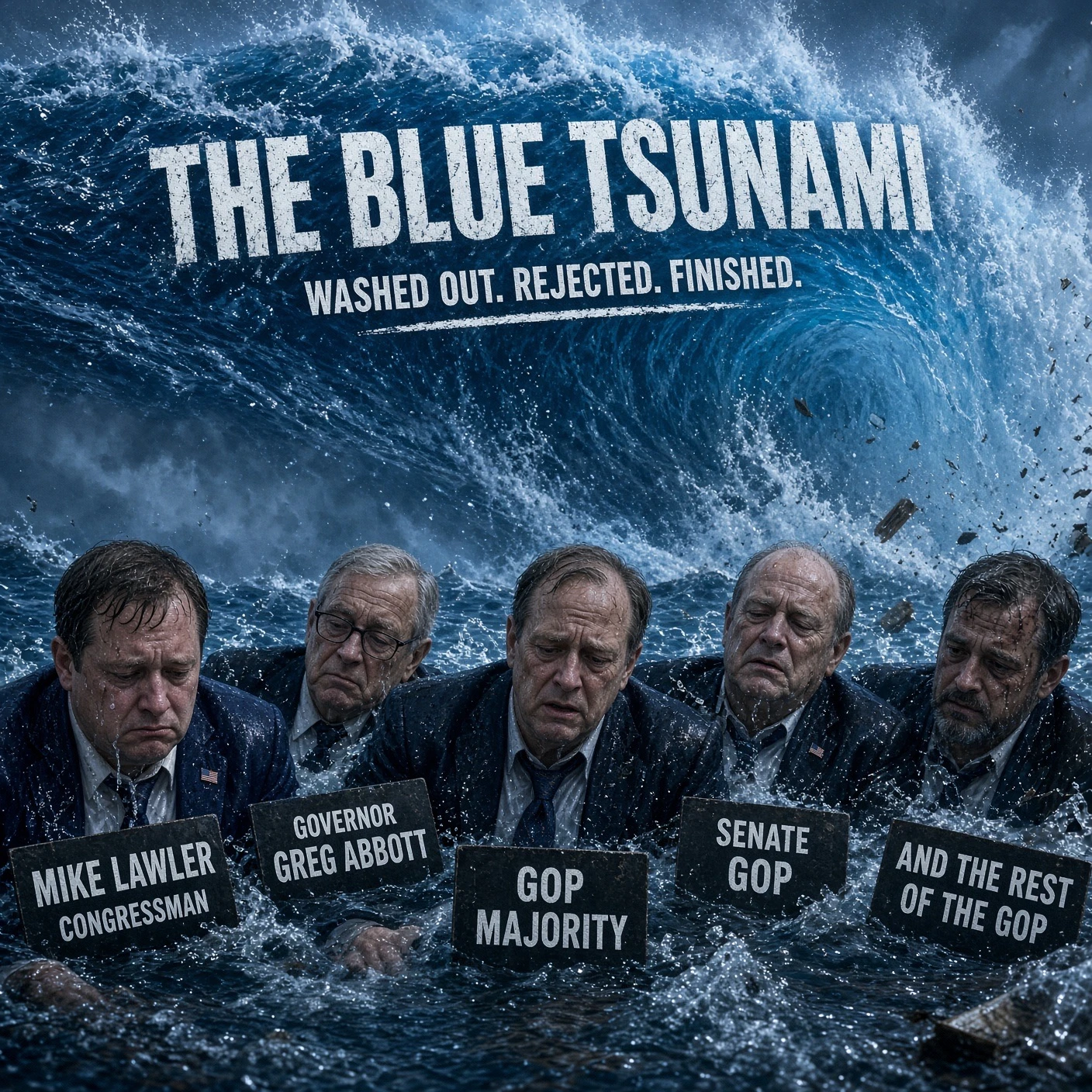
Blue Tsunami Clears Gop Obstructionists Strengthening Party For Future Reforms. by Grok is licensed under Grok xAI
|
Blue Tsunami Clears GOP Obstructionists, Strengthening Party for Future Reforms.

Miller’s Rise: Trump’s War Against the Manufactured Consensus.
Fuck You! We Win!

Trump Offers UFC Boss Dana White Press Secretary Post Monday Meeting Set
Tap Out! Enemy Of The People Destroyed!
AI's Decade Will Decide Humanity's Next Thousand Years
Nikola Rolling In His Grave! Let's Win This Time!

Miller Takes Charge After Oval Office Break With Wiles.
It's Miller Time!

Hegseth Signals Patriots Have Reclaimed Command of the American Military
Trust The Plan? Yes, You Can...



Trump Correct: Envious World Economy Endangered by Democratic Midterm Triumph
The Investor Knows What's Up & What's Down!