The day after the midterms, Brent crude fell 8.7 percent in a single session. West Texas Intermediate shed roughly 13 percent on the week—the steepest weekly collapse since the spring of 2020. The fighting in the Gulf continued without interruption. Vessels still came under fire in and near the Strait of Hormuz. The only fact that changed overnight was the conclusion of the American election.
Prices continued lower this morning. WTI traded near $85–87 a barrel while the same waters remained contested and the same tankers remained targets. No material shift in physical supply, tanker traffic, or military posture occurred between the closing of the polls and the opening of the next trading day. The sole variable that moved was the political calendar.
For months, elevated gasoline and diesel prices sustained a narrative of an “affordability crisis.” Markets had priced a durable risk premium on the Iran conflict; that premium receded the moment electoral accountability arrived and the president signaled restraint. The timing was too precise to be coincidence. Intelligence agencies, banks, and trading desks had every incentive to maintain pressure long enough to shape the midterm result. Once that result was recorded, the pressure lifted on schedule. The operation ended when its political utility expired.
Additional ADNN Articles:
Russian Diesel Tanker Heads to New York Under Trump Deal
Trump Dismisses Gas Price Critics: America Profits, Dollar Debased Bright Spot
Trump Forges Russian Diesel Pact After Zelensky Ignores Six Requests
Trump Correct: Envious World Economy Endangered by Democratic Midterm Triumph

Election Ends Oil Psyop as Tankers Still Burn in Hormuz
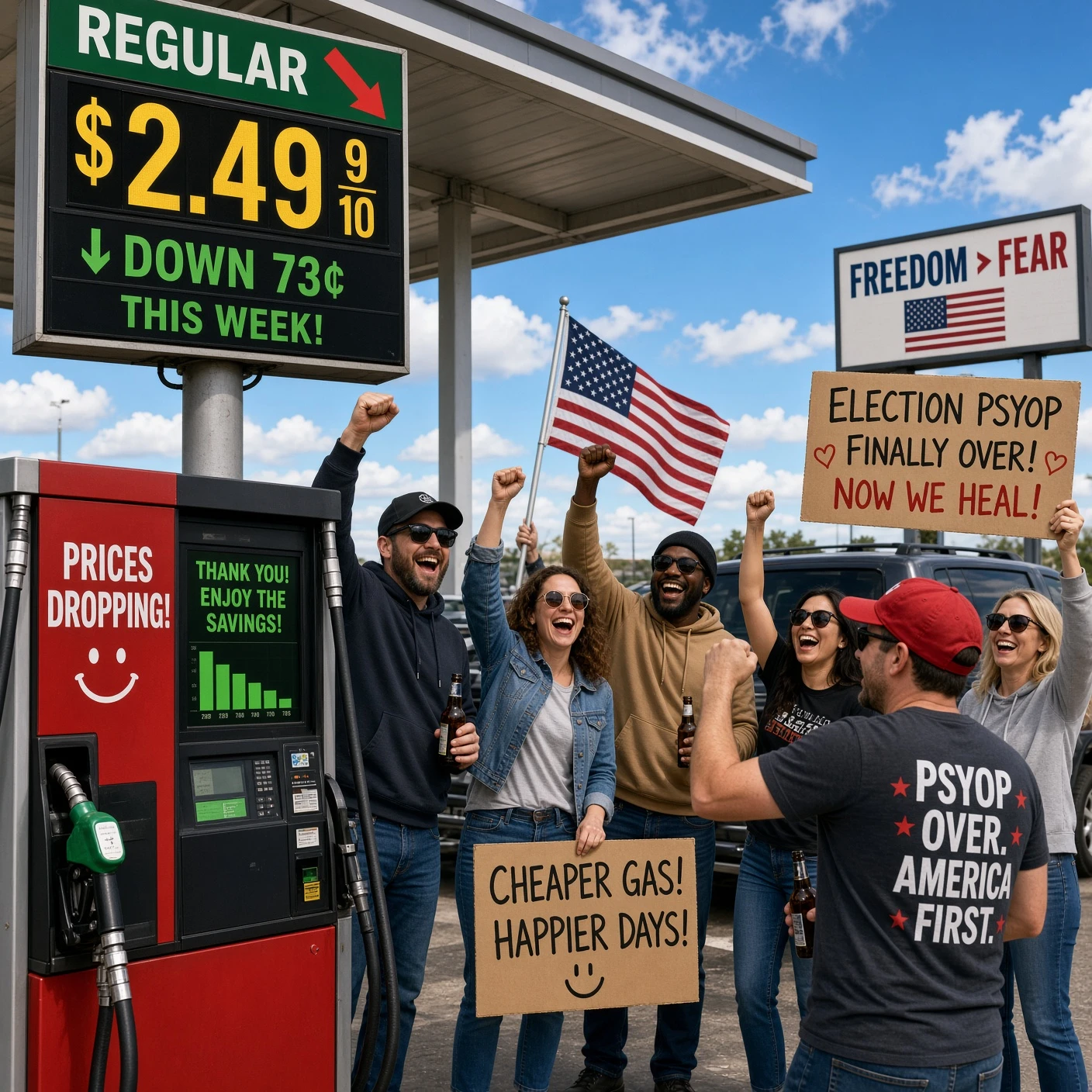
Election Ends Oil Psyop As Tankers Still Burn In Hormuz by Grok is licensed under Grok xAI
|
Election Ends Oil Psyop as Tankers Still Burn in Hormuz
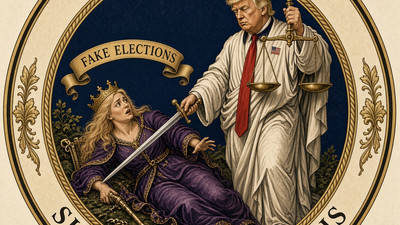
Trump Warns Midterm Math Fails as Virginia Rolls Exceed Citizens
"SIC SEMPER TYRANNIS" - Goes For CIA Bitches Too! Elections Are Fake & Gay!
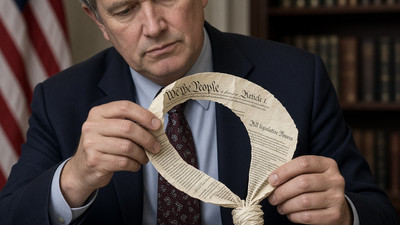
Massie Forces Vote Treating Constitution as National Suicide Pact
Lame? Lame Duck? How About Lame Fuck!!!

Supreme Court Restores Trump’s Border Wall Work in Texas Big Bend
Promise Made, Promises Kept...Even If Texans And A DEI Hire Hate It.

Americans Reject Endless Compromises for Broken Immigration System
The System Is Broken...Now What? Time To Deport! Don't Stop....Just Say You'll Stop And Go Right Ahead.
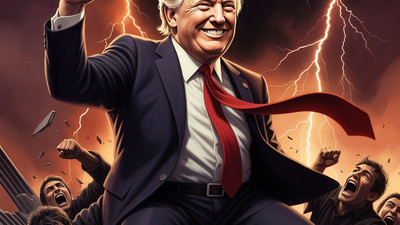
Trump’s Justified Hatred Sustains Fight Against Deformed Left’s Calumny
Fight Fight Fight! (He Knows How To Play 60 Minutes)

Situational Alpha Jensen Huang Falls to Obvious Chinese Spy Honeypot
He Was Never In Charge...And This Honey Trap Is Just A Psy Op! Jokes On The Narrative!

Bukele Claims Golden Circle Scepter for New Western Empire of Freedom
Squaring The Circle! Time Will Tell...Is This The Path? Let's Pray For Peace And Act Decisively!

Miller’s Rise: Trump’s War Against the Manufactured Consensus.
Fuck You! We Win!