In a seismic shift for the entertainment industry, Netflix announced on December 5, 2025, a blockbuster $82.7 billion deal to acquire Warner Bros., including its iconic film and television studios, HBO, HBO Max, and a vast library of franchises like Harry Potter, DC Comics, and Game of Thrones. The cash-and-stock transaction, valued at an enterprise level of $82.7 billion (equity value $72 billion), follows Warner Bros. Discovery’s planned spin-off of its cable networks into a separate entity called Discovery Global, expected in Q3 2026. Netflix outbid rivals Paramount Skydance and Comcast in a heated auction, marking one of the largest media mergers in history and sending shockwaves through Hollywood as the streaming giant consolidates unprecedented control over content creation and distribution.
This acquisition nearly doubles the price tag of the 2022 WarnerMedia-Discovery merger, underscoring the skyrocketing premium placed on owning vast intellectual property and direct pipelines to audiences. By integrating Warner’s century-old storytelling legacy with Netflix’s global reach and over 300 million subscribers, the combined entity could dominate theatrical releases, streaming bundles, and original programming, potentially yielding billions in synergies while reshaping competition against players like Disney and Amazon. Critics, however, highlight the deal’s implications for media concentration, with theater owners and unions decrying potential threats to cinematic exhibition and fears of reduced choice amid growing antitrust scrutiny from regulators.
The announcement has ignited broader concerns among the American public about the outsized role major media conglomerates play in shaping societal norms, morality, and behavior through pervasive content that billions consume daily. This staggering valuation reflects not just assets, but the immense power to influence minds—where viewers often uncritically absorb narratives that dictate cultural values, political viewpoints, and social conformity. As one platform gains dominion over iconic stories that define generations, it amplifies worries about centralized control over information and entertainment, prompting calls for vigilance against potential manipulation in an era where what streams on screen profoundly molds public perception.

Netflix’s $82.7B Warner Bros. Buyout Sparks Media Brainwashing Fears
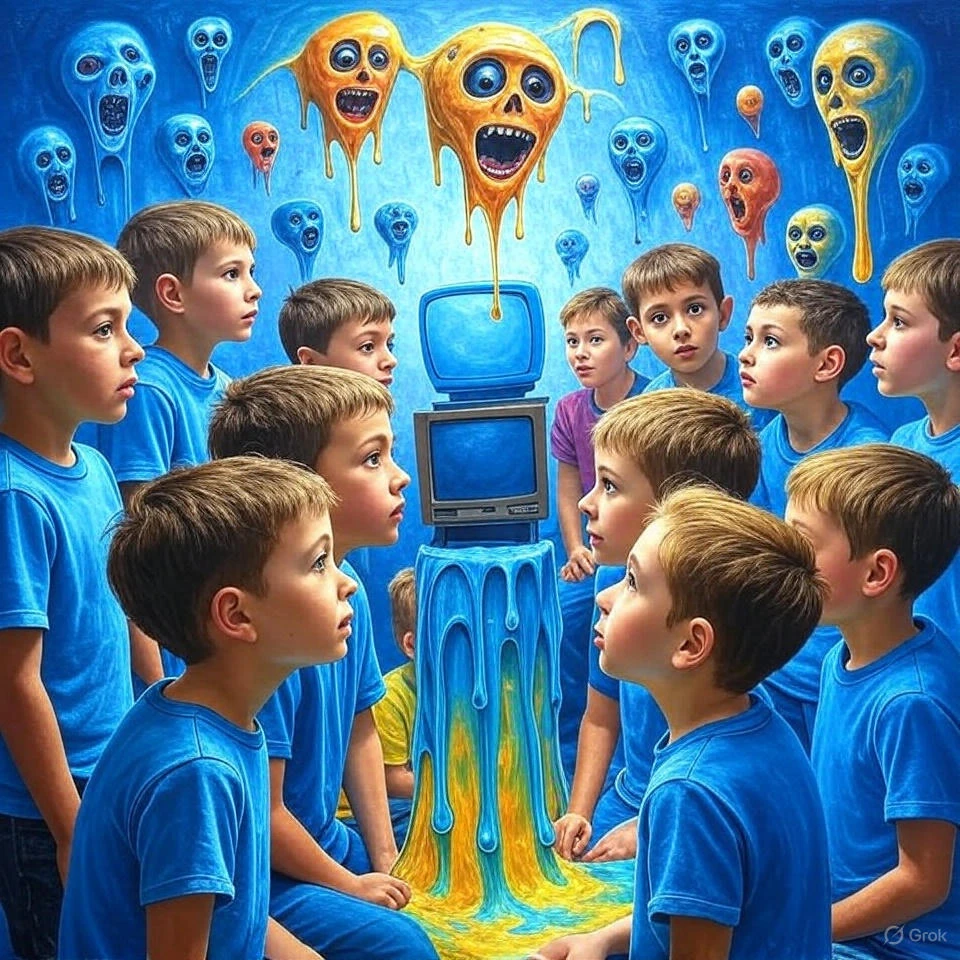
Netflix’s $82.7B Warner Bros. Buyout Sparks Media Brainwashing Fears by Grok is licensed under Grok xAI
Netflix’s $82.7B Warner Bros. Buyout Sparks Media Brainwashing Fears
Trump Tells UN: America Is Back, Iran Faces a Choice
Artificial NoMore! Its Super Cool To Be Real And Straight! America Is The Super Power! Iran Is Shithole Country...Like All Of The UN.
Press Cartel Goes Dark; White House Answers With Trump TV
Imagine Being A Useful Idiot And Never Realizing It. Then One Day You're Off The Boob Tube! More Interestingly, You Realize The Intelligence Community Was Running The Show The Whole time...Until Now! 5GW...
Poll: Democrats Cheer Coup, Death, Impeachment to End Trump
TDS Is Real And Dangerous To Humanity!
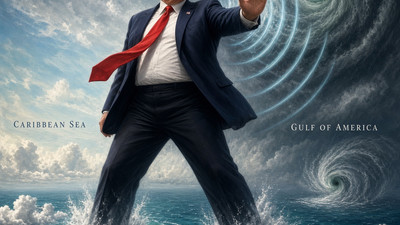
Gulf of America Sees Zero Hurricanes First Time in Century
Death Cult Losses...Trump Card...America Wins!

War Department Thingamabob Rainbows Tehran Sky, Unsettling Guards and Globalists
A Heap Of Homo Hooligan Hell Hole Rainbow Lights Shock The Sand People. Was It US? Or Enoch? Or Some Other Alien?

Bessent Pins Hugging Face Incident on OpenAI Managers, Not Agents
Bots Aren't Gay...

Austin Protesters Learn Texas Differs From Minnesota After ICE Clash
Don't Mess With Texas!

Fonzie Jumped the Shark; Fifty Years of Failure Endure
Fake And (Almost Certainly) Gay - Jewish Greaser, Mind Control And The Pop-Culture Term That Lives On...